
Thermo-Druckkopf-Lebensdauer um das 2–3-fache verlängern: Wartungs-Playbook für POS-, Etiketten- und Waagendrucker
Ein konkretes, herstellerneutrales Wartungs-Playbook für Thermo-Druckköpfe — Reinigungsfrequenz, das richtige Lösungsmittel, ESD-Handhabung, Papierqualitäts-Warnsignale und wie man Verschleiß vor einem kundenseitigen Ausfall erkennt.
Warum Druckköpfe vorzeitig ausfallen
A genuine OEM thermal printhead in a clean, climate-controlled environment is rated for around 50 km of paper feed (~ 100,000 receipts) on a POS receipt printer, or 50 km of media on a barcode label printer. Field service data shows real-world life ranges from 6 months in a dusty grocery store to 5+ years in a clean office. The spread comes from three (and only three) factors:
- Abrasion from poor-quality paper. Off-spec thermal media has embedded grit (silica filler, calcium carbonate) and uneven coatings. Each receipt drags those abrasives across the printhead's protective glaze. Once the glaze is breached, individual heater elements oxidise and fail.
- Buildup from skipped cleaning cycles. Paper dust, leftover label adhesive and condensed moisture form a film on the head. The driver compensates by ramping up energy, which accelerates wear.
- Electrostatic discharge events. A dry-air winter day plus a polyester uniform plus a customer's hand on the printer chassis = 5,000 V across the printhead's micron-scale traces. Individual elements can vaporise instantly.
Empfohlener Reinigungsplan
| Use case | Cleaning frequency | |
|---|---|---|
| Heavy retail (300+ receipts/day) | Every 2 weeks | — |
| Light retail (under 100 receipts/day) | Monthly | — |
| Restaurant front-of-house | Every 2 weeks | — |
| Barcode label printer | Every roll of media or every roll of ribbon | — |
| Office / occasional use | Quarterly | — |
| Whenever a print issue first appears | Always — clean before any other diagnostic | — |
Das korrekte Reinigungsverfahren
- 1
Power off and let the printhead cool
Power off the printer. The printhead can be hot enough to cause a minor burn immediately after printing — wait 60 seconds.Caution: Some printers (Zebra ZD411, ZD421) have an internal capacitor that holds voltage briefly after shutdown. - 2
Open the printer and remove paper / ribbon
Open the print mechanism. Remove the paper roll. On thermal-transfer printers, also remove the ribbon. Set both aside in a clean spot. - 3
Discharge static
Touch the printer's metal chassis or wear a grounded ESD wrist strap. Both prevent discharge through the printhead while you're working on it. - 4
Wipe the printhead with 99% isopropyl alcohol
Use a printhead-cleaning swab pre-saturated with 99% (anhydrous) IPA, or a lint-free swab dipped in the same. Wipe along the dark stripe of heater elements end-to-end in one direction. Repeat with a fresh swab if visibly dirty.Caution: Never use water, ethanol, acetone, or 70% IPA — they all leave residue or attack the glaze. - 5
Clean the platen roller too
The rubber platen roller below the head accumulates the same residue. Rotate it manually as you wipe with another IPA swab. Skipping this is the most common reason cleaning “doesn't help”. - 6
Allow to dry before reassembling
IPA flashes off in 10–15 seconds. Don't rush it — closing the print mechanism while the head is still wet can leave streaks. - 7
Reload media and run a self-test print
Reload paper / ribbon. Power on. Run the printer's self-test print. Confirm no missing dots, no fading and no smudges.
Papierqualität: Der stille Killer
The printhead manufacturer's advice — “use quality media” — sounds vague until you've replaced the third printhead this year on a station running discount paper. The quality differences are real and measurable:
| Quality (BPA-free, brand-name) | Discount / unbranded | |
|---|---|---|
| Paper dust during print | Minimal | Significant |
| Coating uniformity | Consistent darkness | Splotchy, hot/cold areas |
| Embedded abrasives | Within spec | Often above spec — accelerates head wear |
| Cost premium | +10–20% | Baseline |
| Effect on head life | Baseline / extends life | Cuts head life by 30–60% |
| Receipt fade rate | Slow (12+ months legible) | Fast (3–6 months) |
ESD-Schäden und wie man sie vermeidet
A thermal printhead has thousands of heater elements wired through micron-scale traces. A single static discharge — easily 5,000+ volts on a dry day — can vaporise individual elements. The damage shows up immediately as fixed missing-dot patterns the printer self-test diagnoses cleanly.
Frühwarnzeichen für Verschleiß
Catch a printhead before it strands you mid-day. The signs below appear in roughly the order listed; intervene at the first one to maximise remaining service life.
- Density drift between cold and warm prints. First print of the day looks lighter than print 50. The driver is over-compensating for early thermal inertia — usually a sign of glaze thinning.
- Faint receipts that improve after cleaning. Normal for a few cycles. If the symptom returns within a day of cleaning, the glaze is going.
- Density gradients down the receipt. Top of the receipt darker than the bottom (or vice versa) — usually the platen roller has worn unevenly. Replace both head and platen.
- One persistent narrow vertical white line. A dead element. The head will continue to print but should be replaced before more dots fail.
- Multiple white lines spreading. End-of-life. Replace immediately.
Was in Ihrem Wartungskit gehört
| Item | Why | |
|---|---|---|
| 99% (anhydrous) isopropyl alcohol | The only safe solvent — no residue | — |
| Pre-saturated IPA cleaning swabs (printhead grade) | Lint-free, controlled IPA dose, safer than DIY | — |
| Cleaning cards / cleaning rolls | Run through the printer for in-line cleaning between services | — |
| ESD wrist strap with grounding cable | Eliminates the #1 cause of sudden death | — |
| Spare printhead + spare platen roller (one of each) | Bench inventory beats next-day shipping during an outage | — |
| Magnifier loupe (10×) | Visual inspection of glaze and heater stripe | — |
| Compressed-air canister | For paper-dust around the print mechanism | — |
Häufig gestellte Fragen
Wie oft sollte ich einen Thermo-Druckkopf reinigen?
Kann ich Wasser oder beliebigen Alkohol zur Reinigung verwenden?
Soll ich auch die Andruckwalze reinigen?
Warum tötet billiges Thermopapier Druckköpfe?
Wie schädigt ESD einen Druckkopf?
Gibt es eine reale Zahl, wie sehr Reinigung die Lebensdauer verlängert?
Quellen & weiterführende Literatur
- Printhead Maintenance Guide (PDF) — Zebra Technologies
- Best Practices for Thermal Label Printer Maintenance — Weber Packaging Solutions
- Top 15 Tips for Zebra Thermal Barcode Printer Maintenance — Midcom Data
- Cleaning the ZD411T Printhead — Zebra Technologies Documentation
- How to Clean Your Zebra Printhead and Platen Roller — Thermal Printer Supplies
Verwandte Anleitungen
Warum Thermobelege verblassen — und wie man Thermopapier lagert, damit Drucke halten
Thermodrucke sind keine Tinte — sie sind eine hitzeausgelöste chemische Marke, die mehr Hitze, Licht, Feuchtigkeit oder Öl löschen kann. Hier ist, warum Belege verblassen, wie lange sie wirklich halten, und wie man die wichtigen lagert.
Anleitung lesen →POS-Terminal überhitzt: Ursachen, Kühlung, Lüftertausch und ein Wartungsplan
Ein POS-Terminal, das im Mittagsansturm neu startet oder heiß wird, hat fast immer ein Kühlproblem — Staub, ein sterbender Lüfter oder blockierter Luftstrom. Hier ist, wie Sie es heute kühlen und ein Plan, der es verhindert.
Anleitung lesen →Ladenwaage wiegt ungenau? Nivellierung, Kalibrierung, Wägezellen-Test und Eichpflicht-Regeln
Eine ungenaue Ladenwaage steht meist schief, ist verschmutzt oder kalibrierfällig — keine tote Wägezelle. Hier ist die Diagnose-Abfolge, wie Sie eine Wägezelle testen, und die Eichregeln, die bestimmen, was Sie selbst beheben dürfen.
Anleitung lesen →Verwandte Kategorien
Empfohlene Ersatzteile
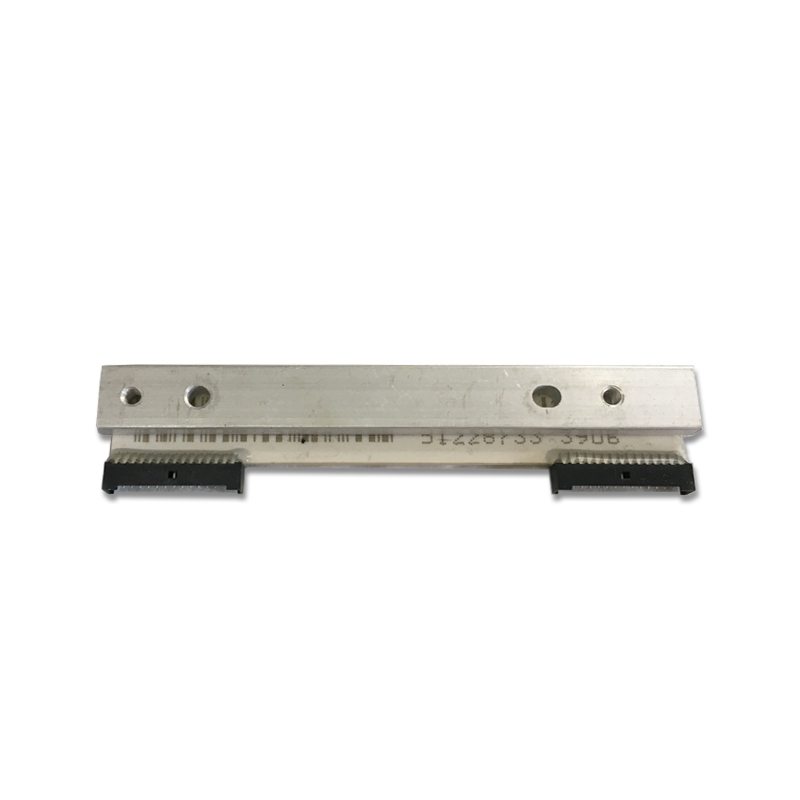
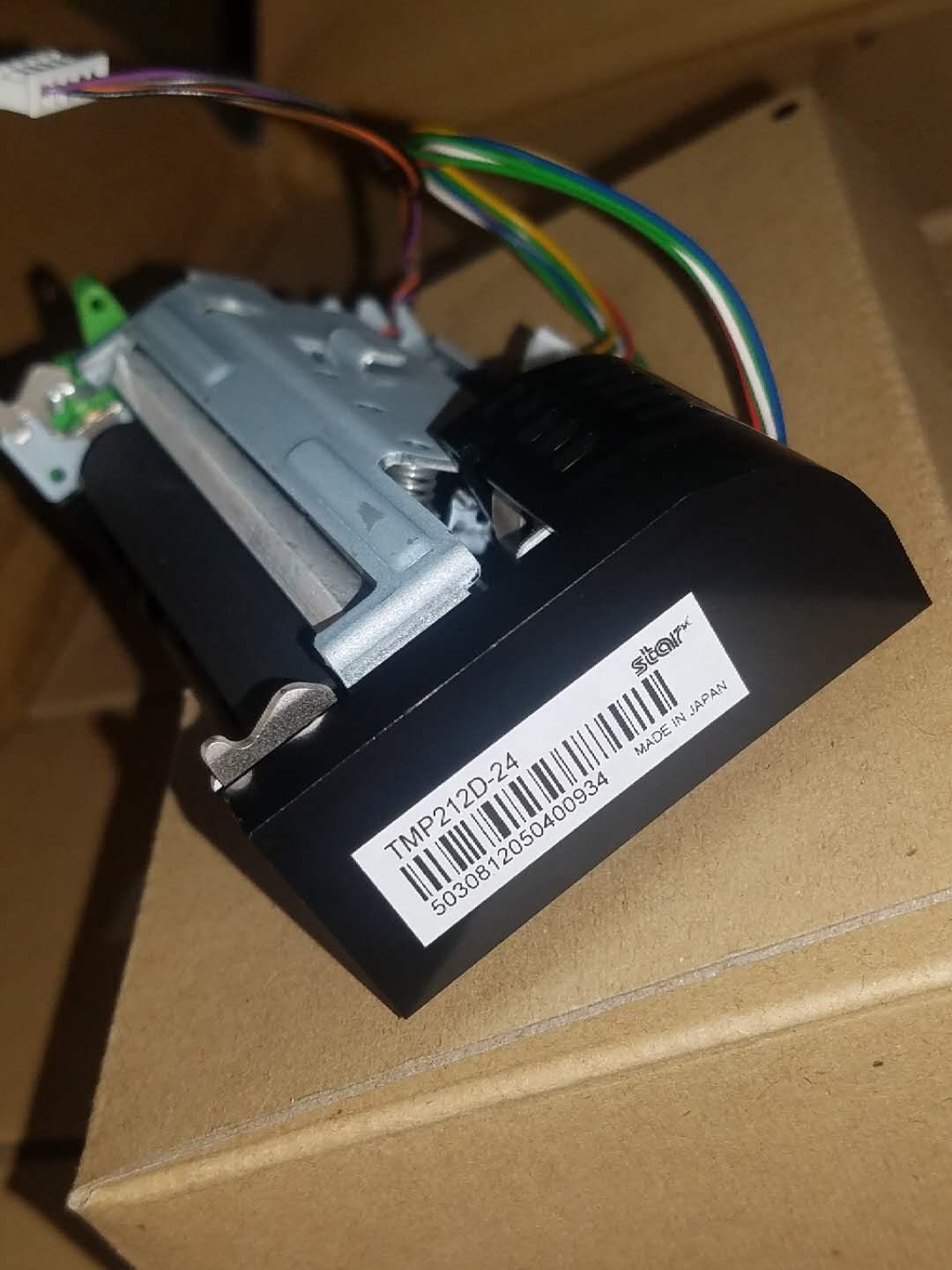
Benötigen Sie die in dieser Anleitung erwähnten Teile?
Originale OEM- und werksgeprüfte Aftermarket-Teile für IBM, Toshiba, NCR, Diebold, Wincor und Hyosung Systeme — mit weltweitem Versand.