
OEM vs Aftermarket vs Refurbished POS & ATM Parts: How to Choose (Without Overpaying or Buying a Dud)
A buying guide to genuine OEM, quality aftermarket (OEM-equivalent) and refurbished POS/ATM parts — what each tier really is, when each makes sense, how to vet a supplier, and how to avoid counterfeit 'genuine' parts.
The fast answer
“OEM or aftermarket?” is the wrong question — the right one is which tier fits this part, in this lane, at this budget. Genuine OEM, quality aftermarket (OEM-equivalent) and reputable refurbished each have a job they do best. The mistake isn’t choosing aftermarket; it’s choosing the wrong tier for the part — or buying an unvetted bargain. Quick orientation:
| If the part is… | Lean toward | Because | |
|---|---|---|---|
| Mission-critical / high duty cycle | Genuine OEM (or top OEM-equivalent) | Reliability outweighs the saving | — |
| Standard wear part, vetted supplier | Quality aftermarket | Matches OEM performance for less | — |
| Legacy / discontinued model | Refurbished | New OEM stock is scarce or gone | — |
| Under warranty / service contract | Genuine OEM | Non-OEM may void the contract | — |
The four tiers, defined
Four tiers turn up when you shop for a replacement. Knowing exactly what each is keeps the marketing words from misleading you:
| Tier | What it is | Trade-off | |
|---|---|---|---|
| Genuine OEM | Built to the maker's spec; branded; maker's warranty | Highest cost; highest certainty | — |
| OEM-equivalent / plain-box | Reverse-engineered to match OEM spec & components | Can match OEM for less — if well made | — |
| Aftermarket / compatible | Third-party 'fits' part; quality varies widely | Lowest cost; biggest variability | — |
| Refurbished | Genuine used unit, tested & reconditioned | Cost-effective; depends on the refurbisher | — |
When each tier makes sense
Match the tier to the part’s role, not to a blanket “always buy cheapest” or “always buy genuine” rule:
| Scenario | Best-fit tier | Why | |
|---|---|---|---|
| Printhead in a busy, all-day lane | Genuine OEM / top OEM-equiv. | High duty cycle — reliability pays back | — |
| Roller, cutter, cable (vetted supplier) | Quality aftermarket | Standard wear part; good equivalents exist | — |
| Board for an obsolete terminal | Refurbished | New OEM long gone; tested used is sensible | — |
| Anything under active warranty/contract | Genuine OEM | Non-OEM can void coverage | — |
| A spare you keep on the shelf | OEM-equivalent | Balance of cost and confidence | — |
How to vet an aftermarket or refurbished supplier
Because the supplier decides whether “compatible” means “equivalent” or “gamble”, vet them before the part:
| Check | What good looks like | |
|---|---|---|
| Tier is labelled honestly | States genuine / OEM-equivalent / refurbished — not a vague 'OEM' | — |
| Part-number cross-reference | Confirms the exact OEM number and fitment for your model | — |
| Testing (esp. refurbished) | Units are tested/reconditioned, not just resold | — |
| Warranty stated | A real, written warranty period — not 'guaranteed' with no terms | — |
| Returns policy | Clear path if it doesn't fit or fails early | — |
Avoiding counterfeit 'genuine' parts
The real danger isn’t honest aftermarket — it’s a counterfeit dressed up as genuine. Spot it before you buy:
| Warning sign | Why it's a red flag | |
|---|---|---|
| Price far below genuine market rate | Genuine OEM doesn't sell at a fraction of its price | — |
| Missing / unclear branding or certification | Suggests an unbranded look-alike, not OEM | — |
| Seller can't confirm the OEM part number | Can't verify fitment = can't trust the claim | — |
| 'Genuine' with no warranty | Real OEM/quality parts carry a stated warranty | — |
| Anonymous listing, no support | No recourse when it fails | — |
A buying checklist
Put it together into a short buying routine:
- 1
Identify the exact part
Get the OEM part number and your printer/terminal model so any tier can be matched precisely. (See our model-identification and brand guides if you’re unsure.) - 2
Judge the part's criticality
High duty cycle or under warranty? Lean OEM. Standard wear part or obsolete model? Aftermarket or refurbished are on the table. - 3
Vet the supplier
Honest tier label, confirmed part number, testing, a written warranty and a returns policy. Skip vague “genuine” listings with no terms. - 4
Run the cost-of-life math
Compare lifespan + warranty + cost-of-failure, not sticker prices. A cheaper part that lasts as long wins; one that fails at half-life doesn’t.
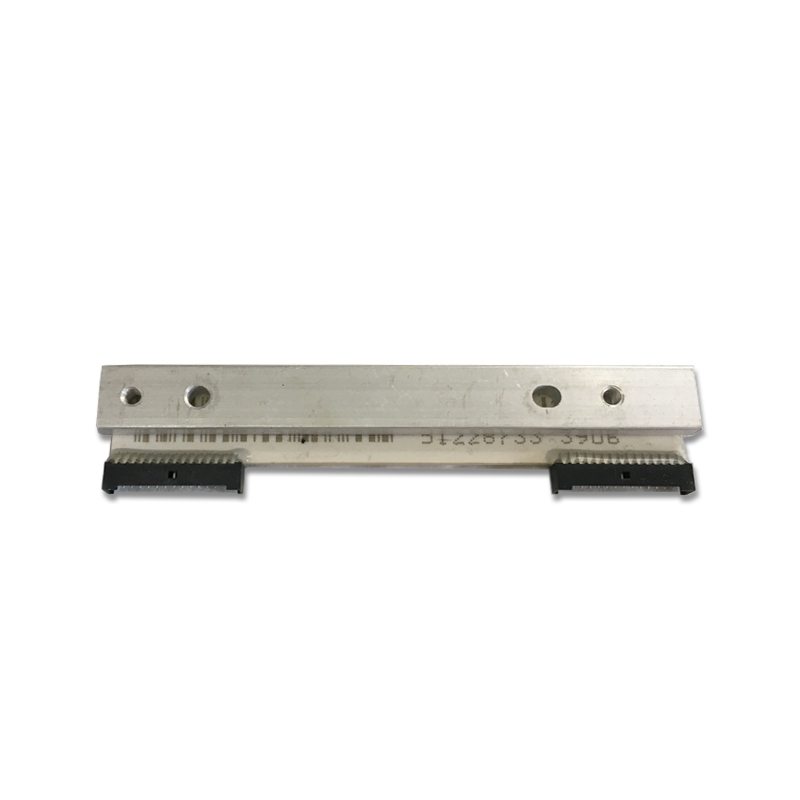
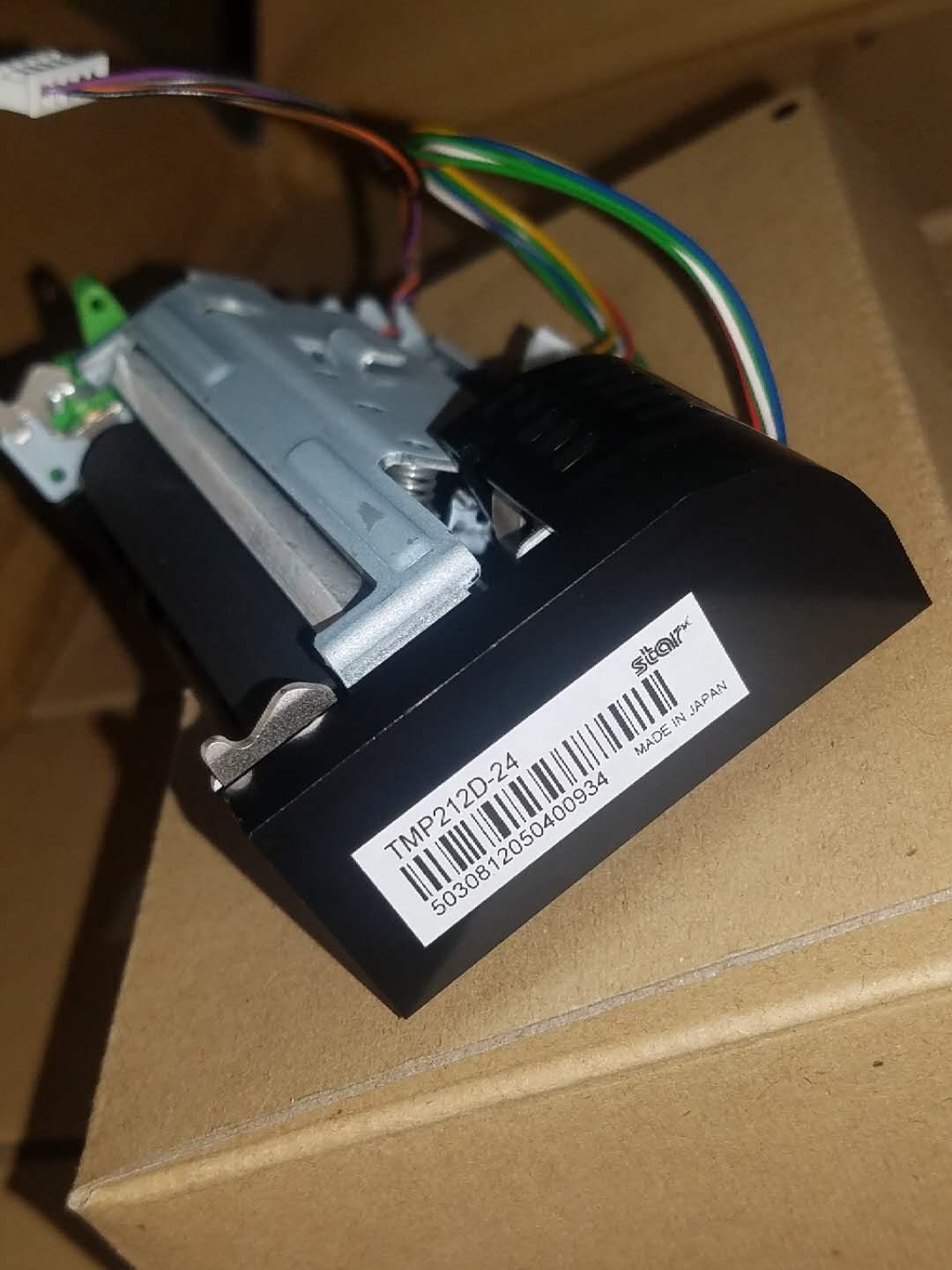
Browse our catalogue — we label parts by tier and cross-reference OEM numbers — in terminal repair parts, thermal print heads and POS printers. To pin down the exact part you need, see our model identification guide and global parts sourcing guide. Send us the OEM part number and we’ll quote the right tier with the fit confirmed.
Frequently Asked Questions
What's the real difference between OEM, aftermarket and refurbished parts?
Is an aftermarket printhead as good as OEM?
When should I insist on genuine OEM?
Are refurbished POS parts reliable?
How do I avoid buying a counterfeit 'OEM' part?
How do I compare cost honestly between tiers?
Sources & further reading
- Aftermarket Printhead vs OEM: Which Performs Better? — EDUCBA
- Genuine OEM vs OEM-Compatible Printheads — StickyPaper
- Is Your Printhead Genuinely Right for Your Printer? — Zebra
- OEM, OEM-Equivalent & OEM-Compatible Printheads Explained — Ganson Store
- Selecting a Reliable Replacement Part (vetting suppliers) — Power Electronic Tips
Related guides
All-in-One vs Modular POS Terminals: Which to Buy (and How Each Affects Repairs)
All-in-one is tidy and fast to deploy; modular is flexible and cheaper to upgrade and repair. The right answer depends on your size, growth plans — and how you want failures handled. Here's the honest comparison.
Read guide →Barcode Scanner Buying Guide: 1D Laser vs 2D Imager, Corded vs Wireless, Handheld vs Hands-Free
Two questions decide most of it: do you need to scan phone screens (then 2D), and is your counter busy enough to want hands-free? Here's how scanner technology, form factor and connection map to real retail use.
Read guide →Receipt Printer Auto-Cutters: Guillotine vs Rotary, Partial vs Full Cut, and Blade Life
Guillotine or rotary? Partial or full cut? The cutter is the most-used moving part in a receipt printer — choosing the right type and cut mode keeps the lane fast and the receipts tidy. Here's how they differ.
Read guide →Related categories
Featured parts in this guide
%20Sparta%20Riser%20Card/120c399634d85265f7a7595a979407ee_c48b4b186f0a2eea2b86d0d5a86c219e_s-l1600.jpg)
Need the parts mentioned in this guide?
Genuine OEM and quality-tested aftermarket parts for IBM, Toshiba, NCR, Diebold, Wincor and Hyosung systems — with worldwide shipping.