
POS Touchscreen Technologies Compared: Resistive vs Capacitive vs SAW vs Infrared
A comparison guide to POS touchscreen technologies — how resistive, projected capacitive (PCAP), surface acoustic wave and infrared touch work, their trade-offs in durability, gloves, multi-touch, clarity and cost, and which to choose for a counter, a kiosk, or a gloved/wet environment.
The short answer
Four touch technologies turn up in POS — resistive, projected capacitive (PCAP), surface acoustic wave (SAW) and infrared (IR). For most modern counters the answer is PCAP, but the “best” one is set by your environment: gloves, wet hands, kiosk size and stylus use all swing the choice. Quick orientation:
| Your environment | Lean toward | |
|---|---|---|
| Standard retail counter | Projected capacitive (PCAP) | — |
| Staff in gloves / any-stylus input | Resistive, SAW, IR (or glove-mode PCAP) | — |
| Large kiosk / self-service | IR or SAW (clarity + scalable size) | — |
| Precise stylus / signature, low cost | Resistive | — |
How the four technologies work
Each technology senses a touch by a completely different mechanism — and that mechanism is what dictates its strengths:
Side-by-side comparison
Laid side by side, the trade-offs are clear. Read down the column that matters most for your site:
| Resistive | Capacitive (PCAP) | SAW / IR | ||
|---|---|---|---|---|
| Activated by | Anything (pressure) | Bare/conductive finger | Any object (incl. gloves) | — |
| Multi-touch | Limited | Excellent | Good | — |
| Clarity | Lower | Excellent | Excellent (clear glass) | — |
| Durability | Layers wear over time | Very durable | Durable; bezel/contaminants matter | — |
| Gloves / stylus | Yes | No (unless glove-mode) | Yes | — |
| Best size / cost | Small, low cost | Small–medium, mainstream | Medium–large kiosks | — |
Which to choose, by environment
Translate the trade-offs into a choice with a short decision path:
- 1
Do staff wear gloves / use any stylus?
Yes → resistive, SAW or IR (or specify a glove-capable PCAP). No → PCAP is the default for a standard counter. - 2
Is it a large kiosk or self-service screen?
Yes → IR or SAW give clear glass and scale to big sizes for unattended use. No → stay with PCAP for a counter terminal. - 3
Is it wet, dusty or contaminated?
Heavy water/dust can affect SAW; a sealed PCAP or IR with regular bezel cleaning may suit better. Match the panel to the conditions. - 4
Confirm size, controller and interface
Whichever technology, match the panel size, controller and host interface (USB/serial) to your terminal before buying.
What wears out each type
Each technology fails or degrades in its own way — worth knowing both to choose well and to maintain what you have:
| Technology | What wears or interferes | |
|---|---|---|
| Resistive | Top layer/elasticity wears with heavy use → dead spots | — |
| Capacitive (PCAP) | Very durable; won't read non-conductive input (gloves/nails) | — |
| SAW | Water droplets, heavy dust on the glass can disrupt touch | — |
| Infrared (IR) | Dust in the beam bezel; very robust otherwise | — |
Matching a replacement touch panel
When a touchscreen fails, you usually don’t replace the whole monitor — the touch layer and the LCD are separate:
| Symptom | What to replace | |
|---|---|---|
| Image perfect, touch dead/erratic | Touch panel + controller — match technology/size | — |
| Touch fine, image black/dim/lined | The LCD/display — a different repair | — |
| Both faulty / cracked glass | The complete touch monitor | — |
Browse touch monitors and panels in our displays & monitors category, complete tills in POS terminals, and controllers/parts in terminal repair parts. If touch has stopped responding, work through our touchscreen troubleshooting guide; if the image is the problem, the monitor display problems guide. Tell us your terminal and environment and we’ll match the right touch panel.
Frequently Asked Questions
What touchscreen technologies are used in POS?
Which touchscreen is best for a retail POS?
What's the difference between resistive and capacitive?
Can I use a touchscreen with gloves on?
What is surface acoustic wave (SAW) and infrared (IR) touch best for?
If a touchscreen fails, do I replace the touch panel or the whole display?
Sources & further reading
Related guides
Star Micronics Receipt Printers Compared: TSP100, TSP650, TSP700, TSP800 and the SP700 Impact
Star's receipt-printer lines run from a budget USB till printer to a high-speed ticket machine to a heat-proof kitchen impact printer. Here's the lineup compared, so you buy the right one — and the parts it'll need.
Read guide →Bixolon Receipt Printers Compared: SRP-350III vs SRP-330III vs SRP-Q300 (and the Parts That Wear)
Bixolon's SRP range spans a high-endurance flagship, a value 80 mm workhorse and an ultra-compact cube. Here's how they differ on speed and durability — and the parts each one needs over its life.
Read guide →Dot Matrix vs Thermal POS Printers: A Total-Cost-of-Ownership Comparison for Retail and Hospitality
Thermal printers won the front-of-house decades ago, but dot matrix is still the right answer for kitchens, multi-part forms and hot environments. Here is the framework for getting it right at scale.
Read guide →Related categories
Featured parts in this guide
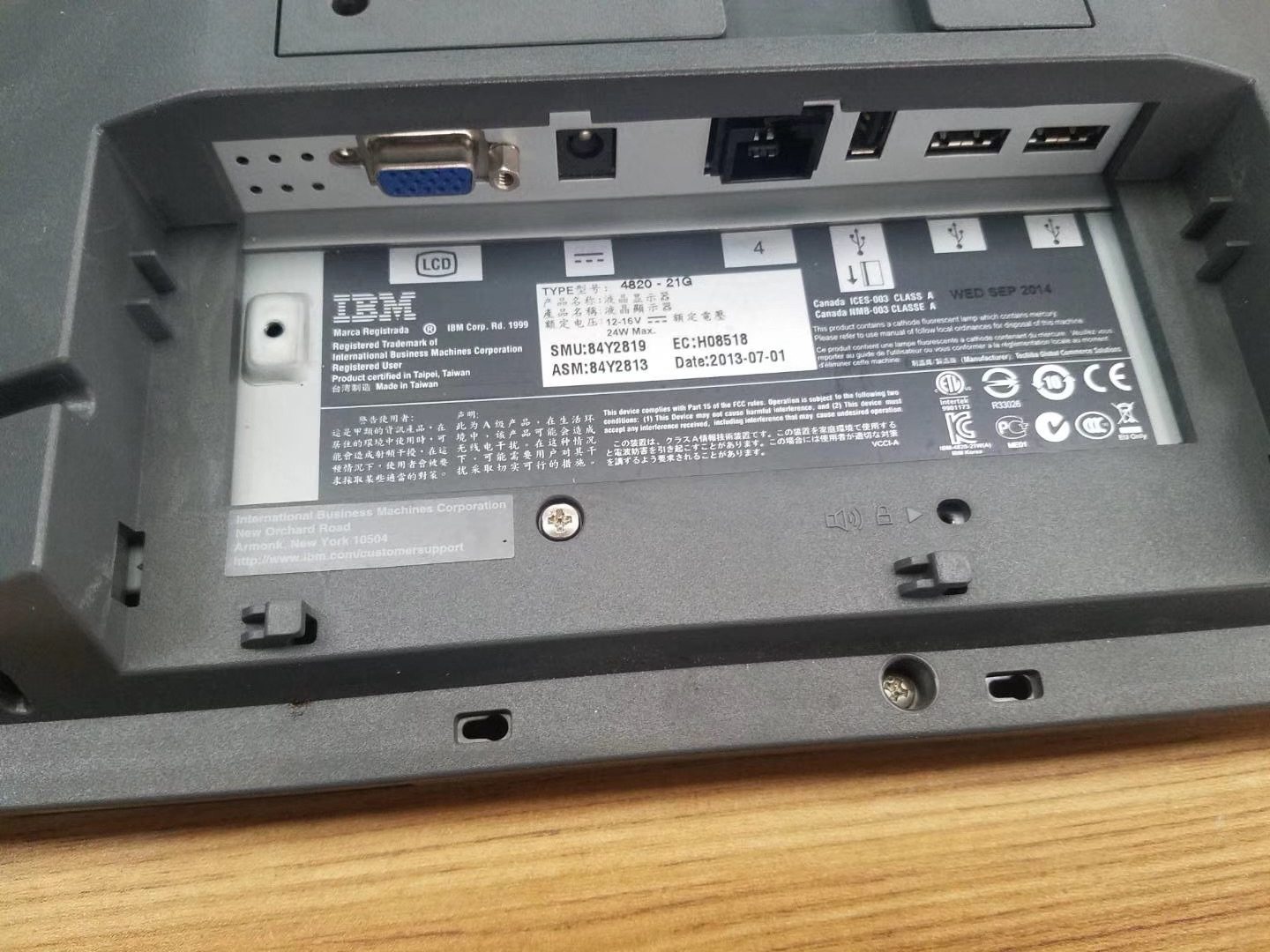

%20Sparta%20Riser%20Card/120c399634d85265f7a7595a979407ee_c48b4b186f0a2eea2b86d0d5a86c219e_s-l1600.jpg)
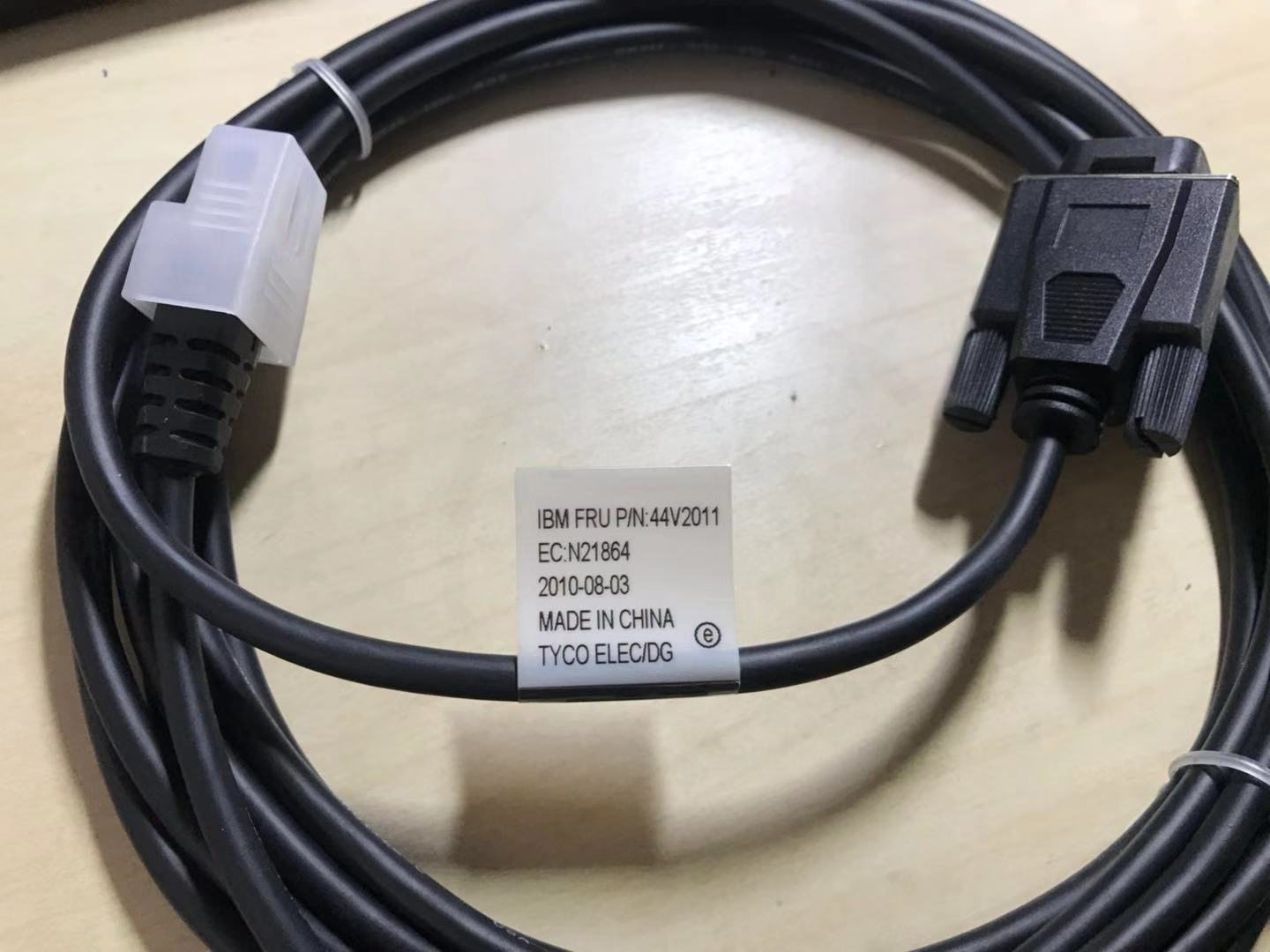
Need the parts mentioned in this guide?
Genuine OEM and quality-tested aftermarket parts for IBM, Toshiba, NCR, Diebold, Wincor and Hyosung systems — with worldwide shipping.