
ใบเสร็จพิมพ์จาง เข้ม ไม่ครบ หรือมีเส้น? แก้ปัญหาคุณภาพการพิมพ์ความร้อน (เริ่มที่การพิมพ์ทดสอบตัวเอง)
คู่มือซ่อมความเสียคุณภาพการพิมพ์ใบเสร็จความร้อน — พิมพ์จางหรือบาง เส้นขาวแนวตั้ง พิมพ์ด้านเดียว/ไม่ครบ และพิมพ์เข้มเกิน ใช้การพิมพ์ทดสอบตัวเองแยกซอฟต์แวร์จากฮาร์ดแวร์ ทำความสะอาดหัวและลูกยาง ตั้งความเข้มการพิมพ์ และรู้ว่าเมื่อใดหัวพิมพ์สึก
คัดกรองอย่างเร็ว
Faint, streaked, one-sided or over-dark receipts look like a failing printer, but the cause is almost always a dirty head, the wrong paper, or a density setting — all cheap to fix. The single most useful move is to print a self-test: it tells you instantly whether the problem is in software or in hardware. Triage in this order:
| Do this | What it tells you | |
|---|---|---|
| 1. Print a self-test | Self-test crisp but POS faint = software density | — |
| 2. Clean head + platen (alcohol, power off) | Removes residue that insulates the head | — |
| 3. Check paper side & grade | Wrong side / low-sensitivity stock prints faint | — |
| 4. Raise density, lower speed a touch | Darkens output cleanly | — |
| 5. Replace worn head or platen | When a sharp white line or fade survives cleaning | — |
อะไรทำให้รอยความร้อนเข้ม
A thermal mark is just heat applied to coated paper — so darkness depends on a short chain of factors. When a receipt prints faint, one of these links is weak:
อ่านอาการคุณภาพการพิมพ์
Match the exact print-quality symptom to point at the cause:
| Symptom | Most likely cause | |
|---|---|---|
| Faint / light all over | Dirty head/platen, low density, or wrong paper | — |
| Vertical white line down the page | Debris on head or uneven platen; if it survives cleaning, a burned-out dot row | — |
| Strong one edge, fades across width | Uneven head-to-platen pressure; worn platen roller | — |
| Blank / nothing prints | Paper loaded upside-down (non-thermal side up) | — |
| Too dark, smudged, bleeding | Density too high / speed too low / over-sensitive paper | — |
| Dead block of dots | Printhead damage — replace the head | — |
การพิมพ์ทดสอบตัวเอง: ซอฟต์แวร์ vs ฮาร์ดแวร์
Because it routes the entire repair, the self-test deserves its own step. Read the result like this:
| Self-test result | Meaning | Where to fix | |
|---|---|---|---|
| Crisp & dark; POS receipts faint | Hardware fine | Raise print darkness/density in driver or POS | — |
| Faint or light | Hardware / consumable | Clean head & platen; check paper; then parts | — |
| Vertical white line | Head contact or dot row | Clean; if it persists, replace head | — |
| One-sided fade | Pressure / platen | Reseat head; inspect/replace platen roller | — |
ทีละขั้น: ฟื้นคุณภาพการพิมพ์
Work the sequence in order — each step is cheaper and more likely than the next:
- 1
Print the self-test
Hold Feed while powering on. A crisp self-test points you at software density; a faint one points at hardware/consumables. - 2
Clean the head and platen
Power off, then wipe the thermal head and the platen roller with isopropyl alcohol on a lint-free swab. Residue insulating the head is the No. 1 cause of faint print.Caution: Always power off before touching the head; let it dry fully before printing. - 3
Confirm the paper
Make sure the thermal (coated) side faces the head and the stock matches the printer. A roll loaded upside-down prints nothing; low-sensitivity paper prints faint. - 4
Tune density and speed
Raise the print-density/darkness value and reduce speed slightly for darker, solid text. For smudging, do the opposite — lower density, raise speed. - 5
Replace the worn part
If a sharp white line, dead dot block, or fade survives all of the above, replace the printhead (or the platen roller for one-sided fade).
เมื่อเป็นชิ้นส่วนที่สึก
When cleaning and settings can’t cure it, the part has worn. Match the replacement to your printer:
| Part | Symptom that points to it | |
|---|---|---|
| Thermal printhead | Sharp white line or dead dot block that survives cleaning | — |
| Platen roller | One-sided fade, uneven pressure, flats on the roller | — |
| Thermal paper (right grade) | Faint everywhere despite a clean head and high density | — |
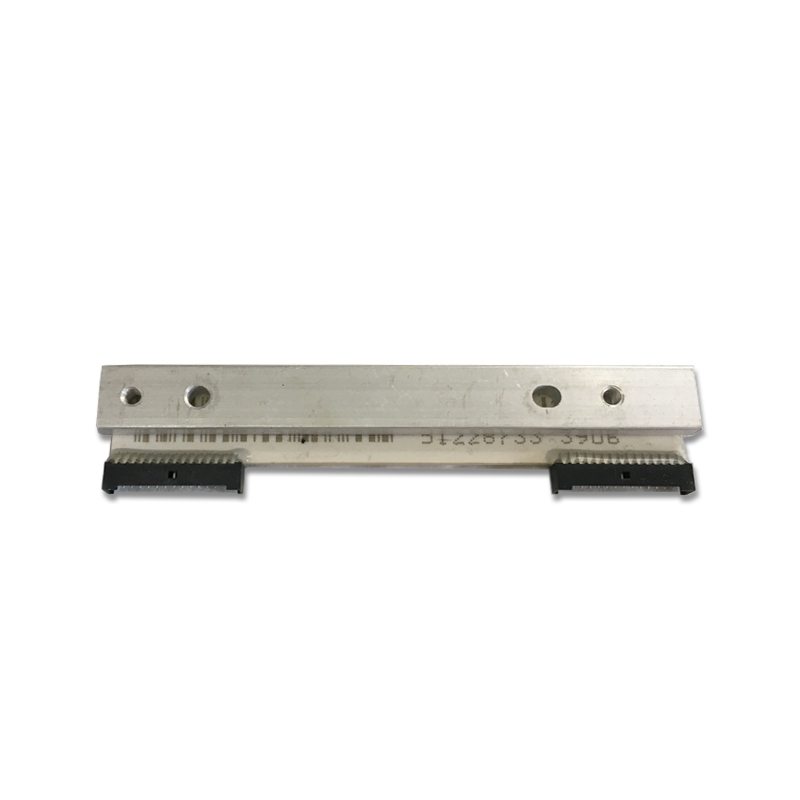
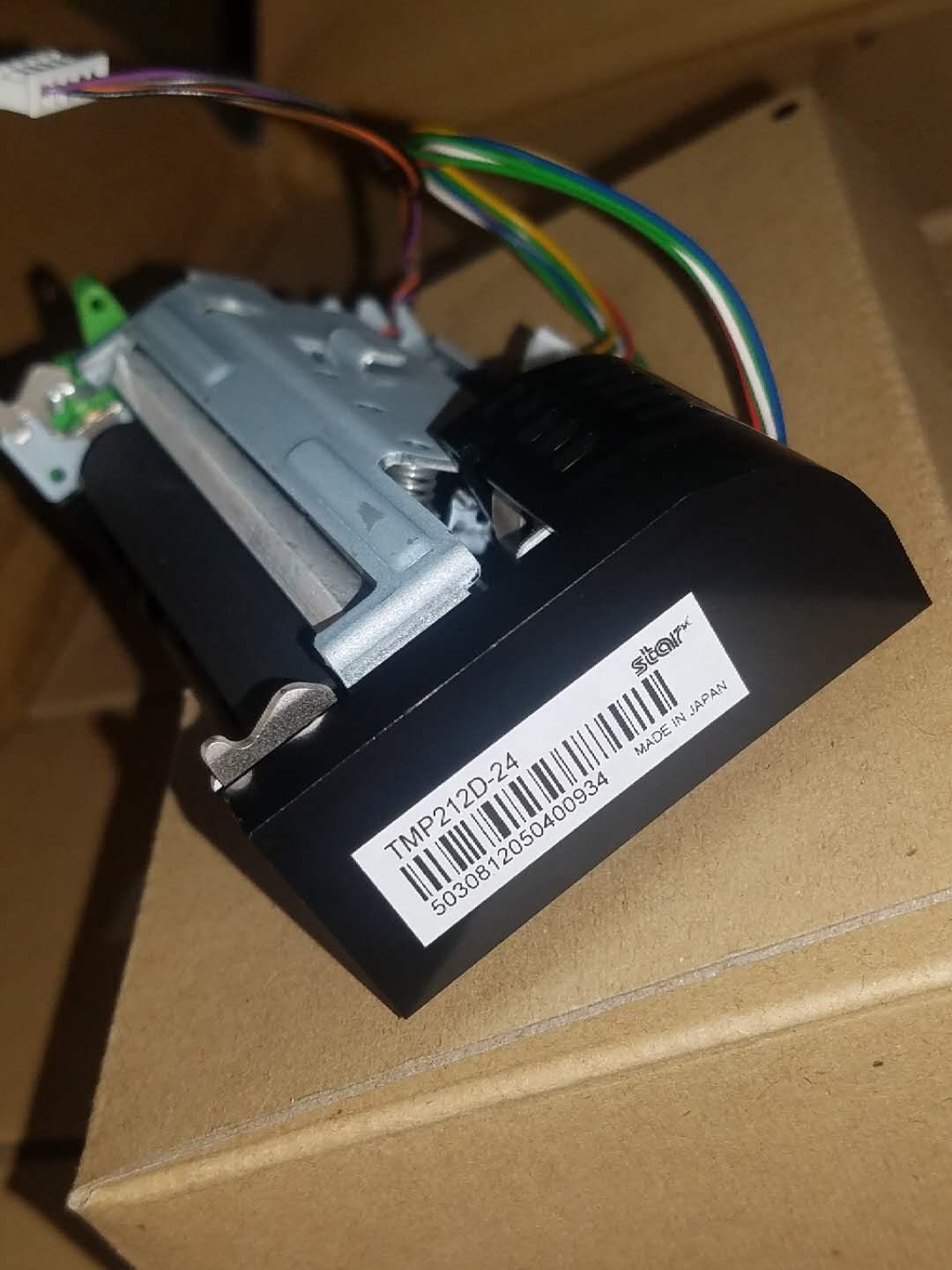
Browse replacements in our thermal print heads category, rollers & cutter parts, and full units in POS printers. For printhead replacement steps see our printhead replacement guide and to make heads last, our printhead lifespan guide. If the printer won’t print at all or has feed/connection faults, start with the general receipt-printer troubleshooting guide. Send us your printer model and a photo of the self-test and we’ll match the right head or roller.
คำถามที่พบบ่อย
ทำไมเครื่องพิมพ์ใบเสร็จความร้อนพิมพ์จางหรือบาง?
การพิมพ์ทดสอบตัวเองบอกอะไร?
อะไรทำให้เกิดเส้นขาวแนวตั้งบนใบเสร็จ?
พิมพ์ใบเสร็จด้านเดียว หรือจางไปตามความกว้าง — ทำไม?
ใบเสร็จพิมพ์เข้มเกินหรือเลอะ — แก้อย่างไร?
จะรู้ได้อย่างไรว่าหัวพิมพ์สึก ไม่ใช่แค่สกปรก?
แหล่งข้อมูลและการอ่านเพิ่มเติม
คู่มือที่เกี่ยวข้อง
การเดินสายและเชื่อมต่อลิ้นชักเก็บเงิน: drawer-kick RJ11/RJ12, ขับด้วยเครื่องพิมพ์ vs USB, และพัลส์ 12–24V
ลิ้นชักเก็บเงิน POS ไม่ได้เสียบเข้าเครื่องแคชเชียร์ — แต่ถูกเปิดด้วยพัลส์ 12–24V จากเครื่องพิมพ์ใบเสร็จผ่านสาย RJ11/RJ12 อินเทอร์เฟซ พิน และแรงดันถูก ก็ใช้ได้
อ่านคู่มือ →พัดลม POS เสียงดังหรือใกล้เสีย? วินิจฉัยตลับลูกปืน ทำความสะอาด และจับคู่ตัวเปลี่ยน
พัดลม POS ที่ครืดคราดหรือหวีดมักเป็นฝุ่นหรือตลับลูกปืนสึก — ปล่อยไว้นำไปสู่ความร้อนเกินและดับ นี่คือวิธีหาพัดลมที่ดัง ตัดสินใจทำความสะอาดหรือเปลี่ยน และเลือกตัวที่ถูก
อ่านคู่มือ →เมนบอร์ด POS เสีย: ไม่มีไฟ ไม่ POST คาปาซิเตอร์บวม — วินิจฉัยก่อนเปลี่ยน
ก่อนตัดสินว่าเมนบอร์ด POS เสีย พิสูจน์ว่าเป็นบอร์ดไม่ใช่แหล่งจ่ายไฟ แรม หรือถ่านกระดุมหมด การตรวจด้วยตาสองนาทีบวกเสียงบี๊บ POST มักบอกได้ — นี่คือวิธี
อ่านคู่มือ →หมวดหมู่ที่เกี่ยวข้อง
อะไหล่แนะนำ
ต้องการอะไหล่ที่กล่าวถึงในคู่มือนี้หรือไม่?
อะไหล่ OEM ของแท้และอะไหล่ทดแทนคุณภาพระดับโรงงานสำหรับระบบ IBM, Toshiba, NCR, Diebold, Wincor และ Hyosung — จัดส่งทั่วโลก