
دليل شراء ماسح الباركود: ليزر 1D مقابل مصوّر 2D، سلكي مقابل لاسلكي، يدوي مقابل بلا يدين
دليل شراء لماسحات الباركود للتجزئة وPOS — ليزر 1D مقابل مصوّر مساحي 2D (ومتى يكون 2D إلزاميًا لشاشات الهواتف/QR)، أشكال يدوي مقابل عرض مقابل تثبيت ثابت، سلكي مقابل لاسلكي، وفحوص الرموز والمتانة والواجهة قبل الشراء.
السؤالان الحاسمان
A barcode scanner spec sheet lists a dozen options, but two questions settle most of the decision: do you need to scan phone screens? (if yes, you need a 2D imager) and is the counter busy enough to want hands-free? (if yes, lean presentation). Everything else — connection, durability, interface — refines from there.
| Your situation | Buy this | |
|---|---|---|
| Scan mobile coupons / QR / wallets | 2D area imager (not a 1D laser) | — |
| Only printed 1D barcodes, tight budget | 1D laser (or linear imager) | — |
| Fast, high-volume main lane | Presentation (hands-free) scanner | — |
| Varied items, away from till, stock checks | Handheld — wireless if you must move | — |
| Fixed self-checkout / kiosk | Fixed-mount 2D scan engine | — |
تقنية المسح: ليزر 1D مقابل مصوّر 2D
Scan technology is the first fork. The three you’ll see, and what each can read:
| Type | Reads | Best for | |
|---|---|---|---|
| 1D laser | Linear (1D) barcodes only | Printed package barcodes, lowest cost | — |
| Linear imager | 1D barcodes (camera-based) | 1D codes, better on damaged/poor print | — |
| 2D area imager | 1D + 2D (QR, Data Matrix) | Phone screens, QR, mixed environments | — |
الشكل: يدوي، عرض، ثابت
Form factor is the second fork — how the scanner is operated. Match it to how your staff actually work:
| Form factor | How it works | Best for | |
|---|---|---|---|
| Handheld | Point-and-scan with a trigger | Varied items, flexibility, service desks | — |
| Presentation | Sits on counter, hands-free | Fast, high-volume checkouts | — |
| Fixed-mount / in-counter | Built into the lane or kiosk | Self-checkout, unattended scanning | — |
الاتصال: سلكي مقابل لاسلكي
Once type and form are set, choose the connection. This one’s about whether you need to move with the scanner:
| Connection | Pros | Cons | |
|---|---|---|---|
| Corded (USB / serial) | Simple, no charging, lower cost | Tethered to the lane | — |
| Wireless (Bluetooth / RF) | Scan bulky items, shelf/stock checks, roam | Battery to charge, base/cradle to manage | — |
مطابقة الماسح لحالة استخدامك
Put the forks together — most retail choices fall out of a short decision path:
- 1
Will you scan phone screens or QR?
Yes → you need a 2D area imager. No, only printed 1D barcodes → a 1D laser or linear imager can work (but 2D is the safe default). - 2
How busy is the lane?
Fast, high-volume main lane → presentation (hands-free). Varied items, service desk, or roaming → handheld. - 3
Do you need to move with it?
Stay at the till → corded. Scan bulky goods or check shelves → wireless. - 4
Confirm interface, symbologies, durability
Check it speaks your POS interface, reads your barcode types, and survives your environment (drop/IP rating) before you commit.
قائمة ما قبل الشراء
Before you order, run this final checklist — a scanner that reads everything but won’t talk to your POS, or can’t survive the counter, is the wrong buy:
| Check | Why it matters | |
|---|---|---|
| Symbologies | Reads the 1D/2D codes your products & apps use | — |
| Phone-screen capability | 2D imager if you scan mobile coupons/wallets | — |
| Host interface | USB-HID, serial or USB-COM — must match your POS | — |
| Durability (drop / IP) | Survives drops, dust or wet areas if relevant | — |
| Stand / cradle included | Presentation use and charging for wireless | — |
Browse scanners and reader parts in our card readers & scanners category, interface cables in cables & connectors, and complete tills in POS terminals. If an existing scanner has stopped reading, see our scanner troubleshooting guide; for how scanners connect to the POS, the interface & connectivity guide. Tell us what you scan and your POS, and we’ll recommend the right scanner.
الأسئلة الشائعة
ما الفرق بين ليزر 1D ومصوّر 2D؟
هل أحتاج مصوّر 2D لمسح شاشات الهواتف؟
يدوي أم عرض (بلا يدين)؟
سلكي أم لاسلكي — أيّهما لـ POS؟
أيّ أنواع باركود (رموز) ينبغي أن يدعمها الماسح؟
ما الذي يهمّ أيضًا غير نوع المسح والشكل؟
المصادر والمراجع الإضافية
- Barcode Scanner Buying Guide — Camcode
- Barcode Scanner Buying Guide — Wasp Barcode
- Handheld Barcode Scanner Guide: 1D vs 2D, Laser vs Imager, Wireless vs Wired — Syncotek
- Barcode Scanner Hardware Guide: Types, Integration & Tips — Tera Digital
أدلة ذات صلة
أجهزة POS المدمجة مقابل المعيارية: أيّها تشتري (وكيف يؤثّر كلٌّ في الإصلاحات)
المدمج أنيق وسريع النشر؛ والمعياري مرن وأرخص في الترقية والإصلاح. الجواب الصحيح يعتمد على حجمك وخطط نموّك — وكيف تريد التعامل مع الأعطال.
اقرأ الدليل →قاطعات طابعة الإيصالات الأوتوماتيكية: مقصلة مقابل دوّارة، قطع جزئي مقابل كامل، وعمر الشفرة
مقصلة أم دوّارة؟ قطع جزئي أم كامل؟ القاطعة هي القطعة المتحرّكة الأكثر استخدامًا في طابعة الإيصالات — النوع والوضع الصحيحان يبقيان الممر سريعًا والإيصالات مرتّبة.
اقرأ الدليل →قطع POS وATM: OEM مقابل ما بعد البيع مقابل المُجدَّدة — كيف تختار (دون دفع زائد أو شراء قطعة فاشلة)
OEM الأصلية وما بعد البيع الجيدة والمُجدَّدة، لكلٍّ مهمة صحيحة — وأخرى خاطئة. إليك كيف تختلف المستويات فعلًا، ومتى تختار كلًّا، وكيف تتحقّق من مورّد.
اقرأ الدليل →فئات ذات صلة
قطع غيار مميزة
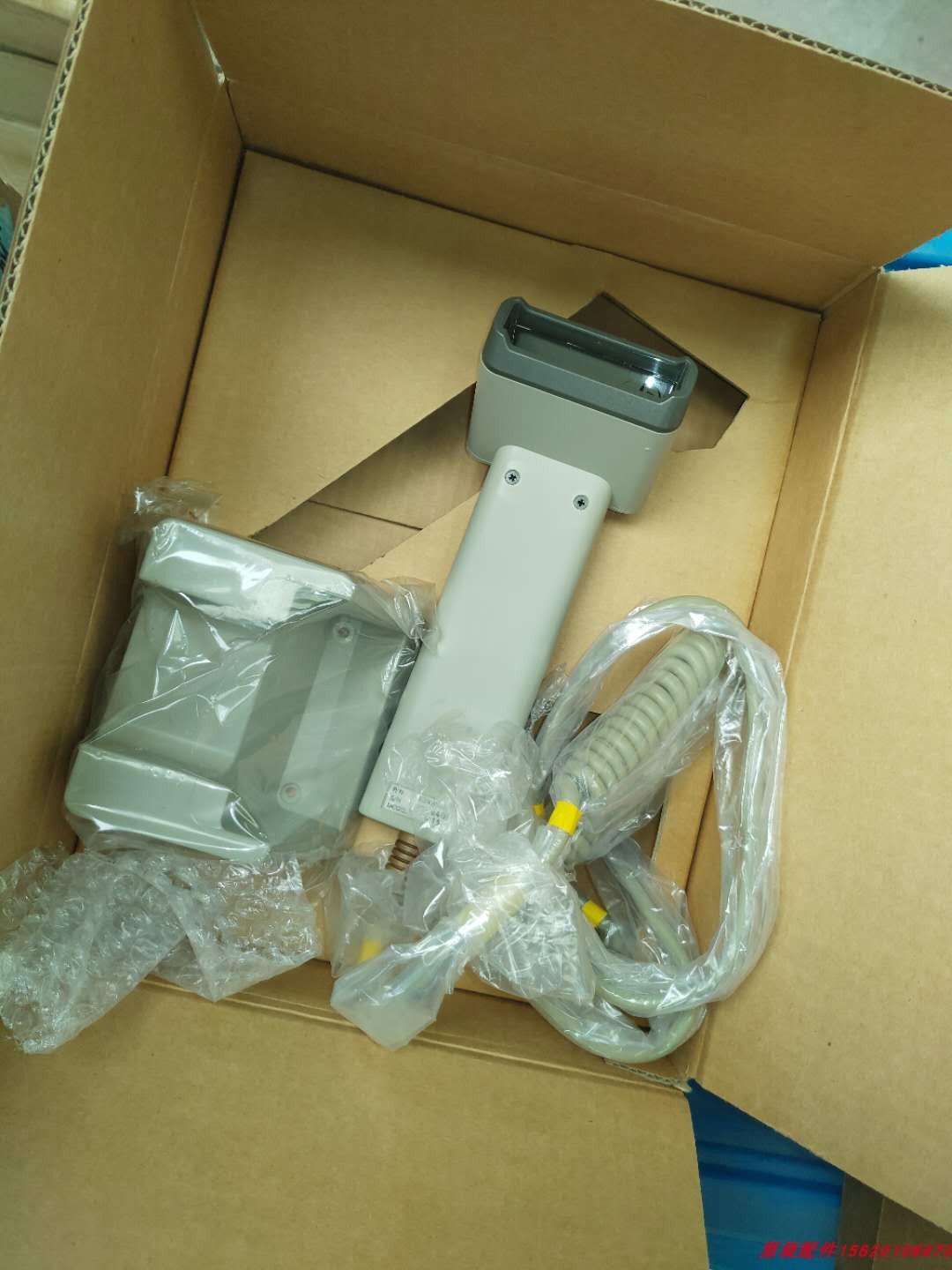

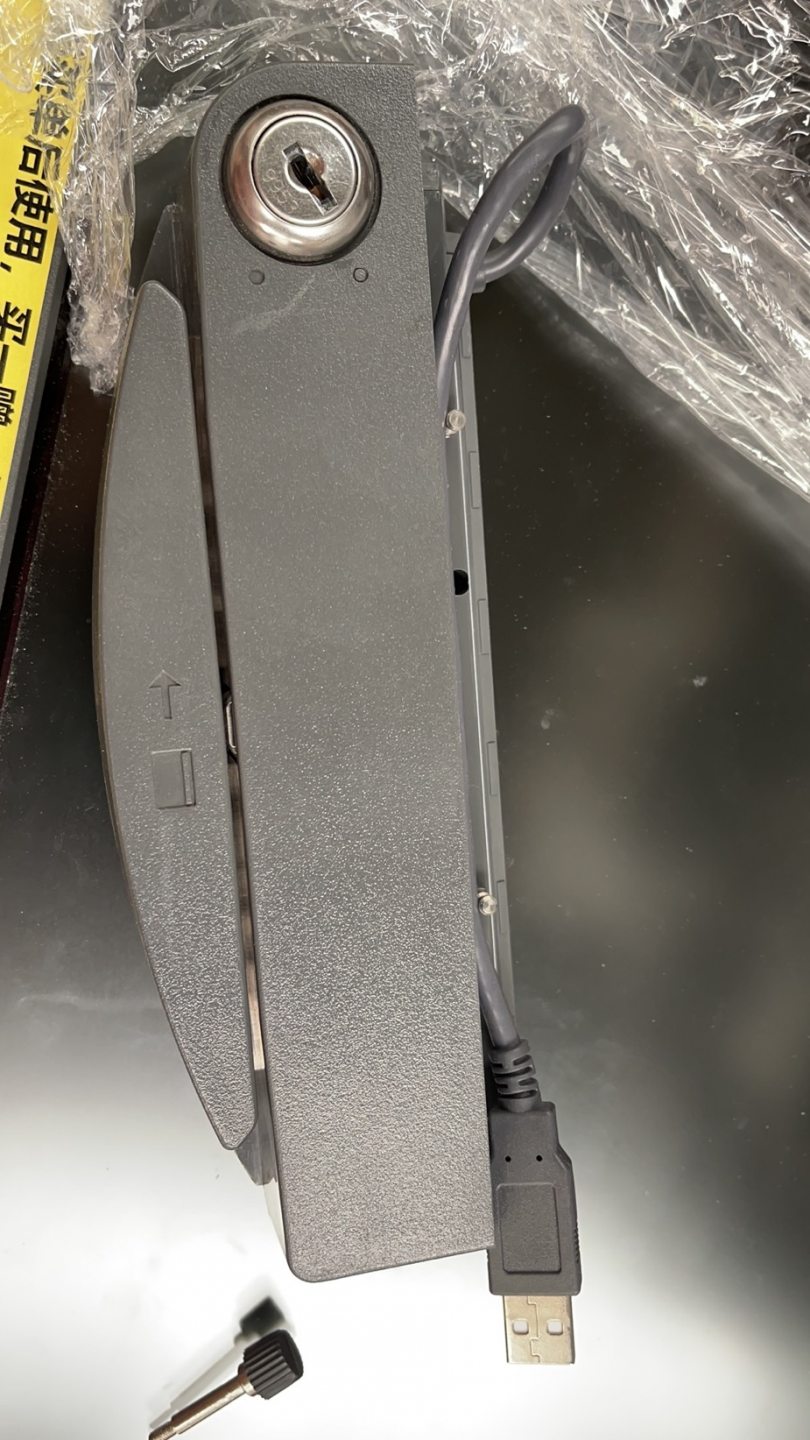
هل تحتاج إلى القطع المذكورة في هذا الدليل؟
قطع OEM أصلية وبدائل مختبرة في المصنع لأنظمة IBM و Toshiba و NCR و Diebold و Wincor و Hyosung — مع شحن عالمي.