
الإيصال يطبع باهتًا أو داكنًا أو ناقصًا أو مخطّطًا؟ استكشاف جودة الطباعة الحرارية (ابدأ بالاختبار الذاتي)
دليل إصلاح لأعطال جودة طباعة الإيصالات الحرارية — طباعة باهتة أو فاتحة، خطوط بيضاء رأسية، طباعة من جانب واحد/ناقصة، وخرج داكن جدًا. استخدم الاختبار الذاتي لفصل البرنامج عن العتاد، نظّف الرأس والأسطوانة، اضبط كثافة الطباعة، واعرف متى يبلى الرأس.
الفرز السريع
Faint, streaked, one-sided or over-dark receipts look like a failing printer, but the cause is almost always a dirty head, the wrong paper, or a density setting — all cheap to fix. The single most useful move is to print a self-test: it tells you instantly whether the problem is in software or in hardware. Triage in this order:
| Do this | What it tells you | |
|---|---|---|
| 1. Print a self-test | Self-test crisp but POS faint = software density | — |
| 2. Clean head + platen (alcohol, power off) | Removes residue that insulates the head | — |
| 3. Check paper side & grade | Wrong side / low-sensitivity stock prints faint | — |
| 4. Raise density, lower speed a touch | Darkens output cleanly | — |
| 5. Replace worn head or platen | When a sharp white line or fade survives cleaning | — |
ما يجعل العلامة الحرارية داكنة
A thermal mark is just heat applied to coated paper — so darkness depends on a short chain of factors. When a receipt prints faint, one of these links is weak:
قراءة عَرَض جودة الطباعة
Match the exact print-quality symptom to point at the cause:
| Symptom | Most likely cause | |
|---|---|---|
| Faint / light all over | Dirty head/platen, low density, or wrong paper | — |
| Vertical white line down the page | Debris on head or uneven platen; if it survives cleaning, a burned-out dot row | — |
| Strong one edge, fades across width | Uneven head-to-platen pressure; worn platen roller | — |
| Blank / nothing prints | Paper loaded upside-down (non-thermal side up) | — |
| Too dark, smudged, bleeding | Density too high / speed too low / over-sensitive paper | — |
| Dead block of dots | Printhead damage — replace the head | — |
الاختبار الذاتي: برنامج مقابل عتاد
Because it routes the entire repair, the self-test deserves its own step. Read the result like this:
| Self-test result | Meaning | Where to fix | |
|---|---|---|---|
| Crisp & dark; POS receipts faint | Hardware fine | Raise print darkness/density in driver or POS | — |
| Faint or light | Hardware / consumable | Clean head & platen; check paper; then parts | — |
| Vertical white line | Head contact or dot row | Clean; if it persists, replace head | — |
| One-sided fade | Pressure / platen | Reseat head; inspect/replace platen roller | — |
خطوة بخطوة: استعادة جودة الطباعة
Work the sequence in order — each step is cheaper and more likely than the next:
- 1
Print the self-test
Hold Feed while powering on. A crisp self-test points you at software density; a faint one points at hardware/consumables. - 2
Clean the head and platen
Power off, then wipe the thermal head and the platen roller with isopropyl alcohol on a lint-free swab. Residue insulating the head is the No. 1 cause of faint print.Caution: Always power off before touching the head; let it dry fully before printing. - 3
Confirm the paper
Make sure the thermal (coated) side faces the head and the stock matches the printer. A roll loaded upside-down prints nothing; low-sensitivity paper prints faint. - 4
Tune density and speed
Raise the print-density/darkness value and reduce speed slightly for darker, solid text. For smudging, do the opposite — lower density, raise speed. - 5
Replace the worn part
If a sharp white line, dead dot block, or fade survives all of the above, replace the printhead (or the platen roller for one-sided fade).
حين تكون قطعة بالية
When cleaning and settings can’t cure it, the part has worn. Match the replacement to your printer:
| Part | Symptom that points to it | |
|---|---|---|
| Thermal printhead | Sharp white line or dead dot block that survives cleaning | — |
| Platen roller | One-sided fade, uneven pressure, flats on the roller | — |
| Thermal paper (right grade) | Faint everywhere despite a clean head and high density | — |
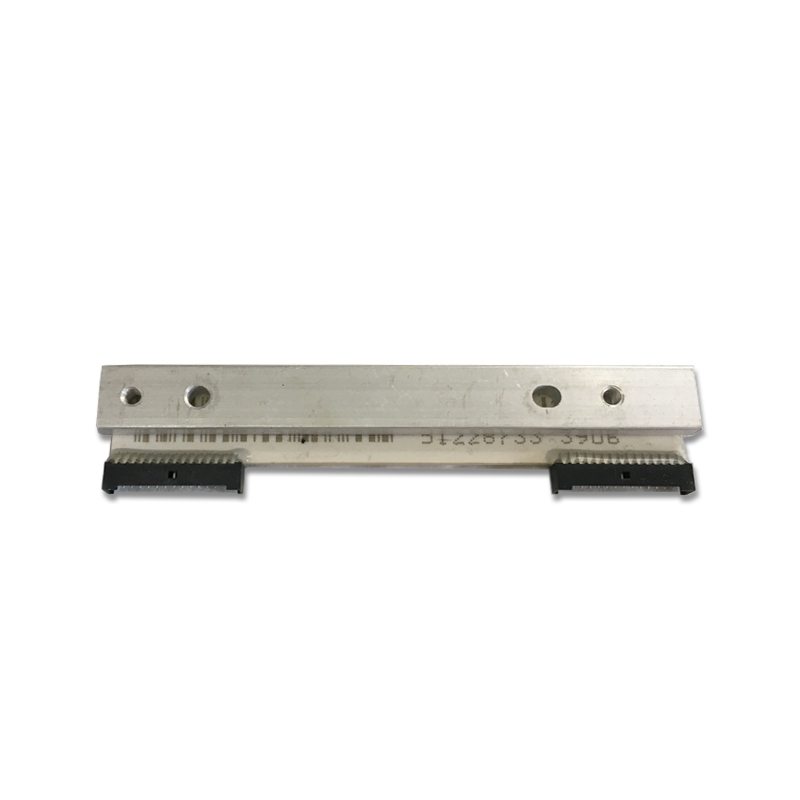
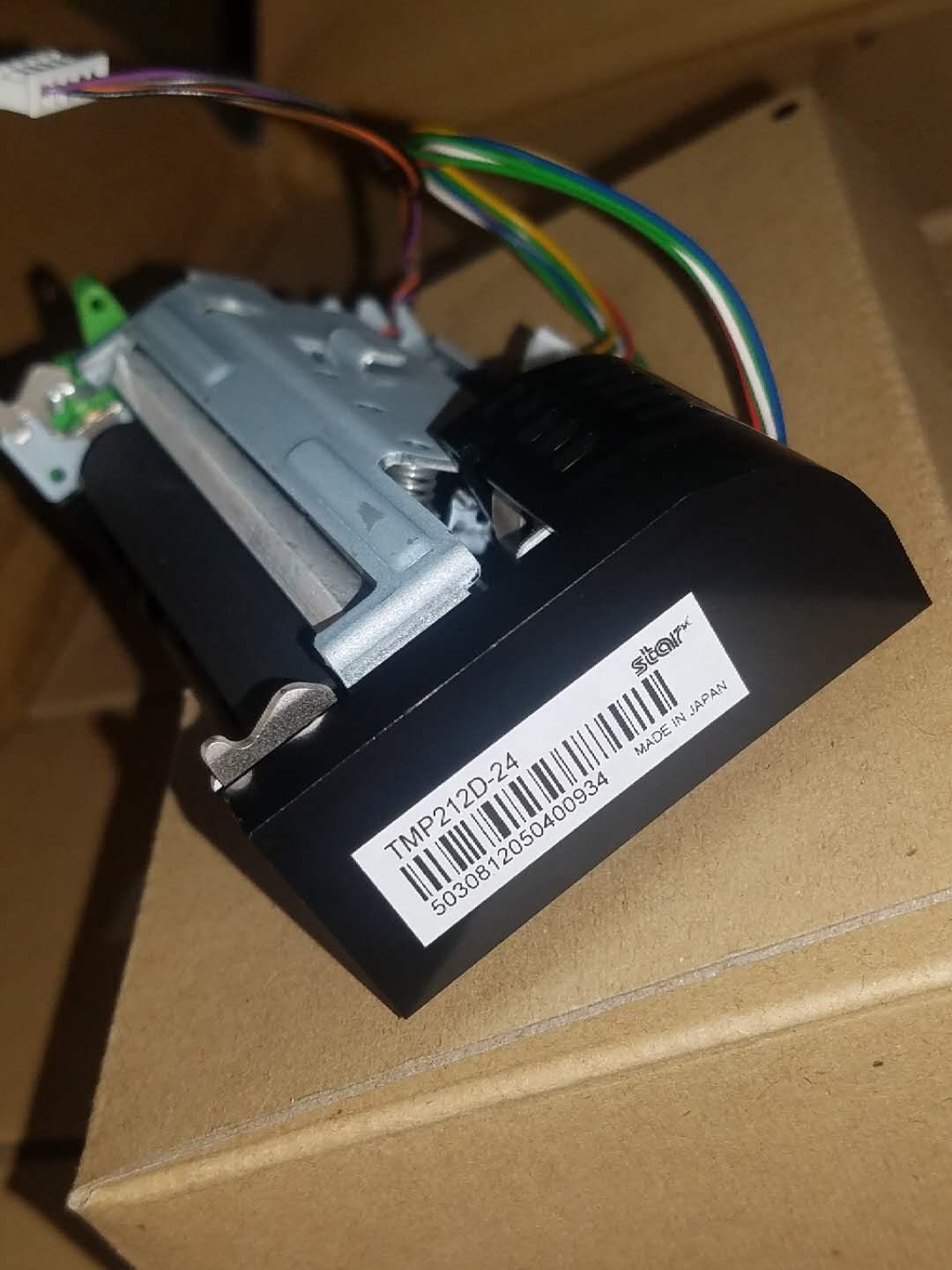
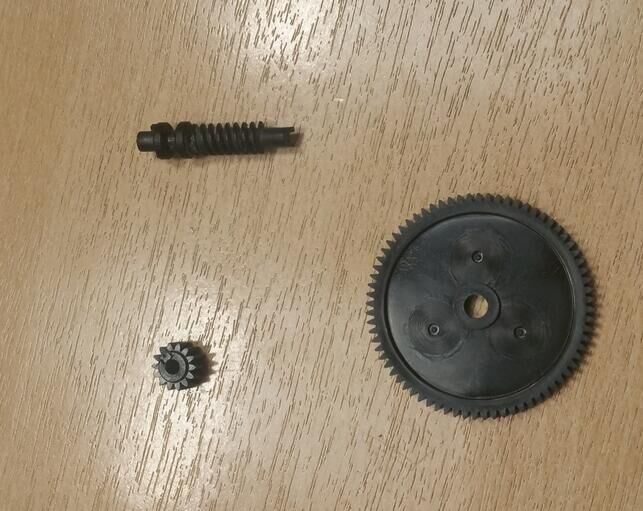
Browse replacements in our thermal print heads category, rollers & cutter parts, and full units in POS printers. For printhead replacement steps see our printhead replacement guide and to make heads last, our printhead lifespan guide. If the printer won’t print at all or has feed/connection faults, start with the general receipt-printer troubleshooting guide. Send us your printer model and a photo of the self-test and we’ll match the right head or roller.
الأسئلة الشائعة
لماذا تطبع طابعة الإيصالات الحرارية باهتًا أو فاتحًا؟
ماذا يخبرني الاختبار الذاتي؟
ما الذي يسبّب خطوطًا بيضاء رأسية على الإيصال؟
يطبع جانب واحد فقط من الإيصال، أو يخفت عبر العرض — لماذا؟
إيصالاتي تطبع داكنة جدًا أو تتلطّخ — كيف أصلح ذلك؟
كيف أعرف أن الرأس بالٍ لا متّسخ فقط؟
المصادر والمراجع الإضافية
أدلة ذات صلة
توصيل وأسلاك درج النقود: drawer-kick بـ RJ11/RJ12، مُشغَّل بالطابعة مقابل USB، ونبضة 12–24V
درج نقود POS لا يُوصَل بالكاشير — بل تفتحه نبضة 12–24V من طابعة الإيصالات عبر كابل RJ11/RJ12. الواجهة والدبابيس والجهد الصحيحة، ويعمل.
اقرأ الدليل →مروحة تبريد POS صاخبة أو معطوبة؟ شخّص المحمل، نظّفه، وطابق بديلًا
مروحة POS التي تطحن أو تصفر غالبًا غبار أو محمل بالٍ — وإهمالها يؤدّي إلى ارتفاع الحرارة والإغلاق. إليك كيف تجد المروحة الصاخبة، وتقرّر تنظيف-أم-استبدال، وتختار الصحيحة.
اقرأ الدليل →عطل اللوحة الأم لـ POS: لا طاقة، لا POST، مكثّفات منتفخة — شخّص قبل الاستبدال
قبل أن تدين لوحة POS الأم، أثبت أنها اللوحة لا مزوّد الطاقة أو الذاكرة أو بطارية زر ميّتة. فحص بصري من دقيقتين مع صفير POST يقول ذلك عادةً — إليك الطريقة.
اقرأ الدليل →فئات ذات صلة
قطع غيار مميزة
هل تحتاج إلى القطع المذكورة في هذا الدليل؟
قطع OEM أصلية وبدائل مختبرة في المصنع لأنظمة IBM و Toshiba و NCR و Diebold و Wincor و Hyosung — مع شحن عالمي.