
Guía de compra de lectores de código de barras: láser 1D vs imager 2D, con cable vs inalámbrico, de mano vs manos libres
Una guía de compra de lectores de código de barras para retail y POS — láser 1D vs imager 2D de área (y cuándo el 2D es obligatorio para pantallas de móvil/QR), formatos de mano vs presentación vs fijo, con cable vs inalámbrico, y las verificaciones de simbología, durabilidad e interfaz antes de comprar.
Las dos preguntas que lo deciden
A barcode scanner spec sheet lists a dozen options, but two questions settle most of the decision: do you need to scan phone screens? (if yes, you need a 2D imager) and is the counter busy enough to want hands-free? (if yes, lean presentation). Everything else — connection, durability, interface — refines from there.
| Your situation | Buy this | |
|---|---|---|
| Scan mobile coupons / QR / wallets | 2D area imager (not a 1D laser) | — |
| Only printed 1D barcodes, tight budget | 1D laser (or linear imager) | — |
| Fast, high-volume main lane | Presentation (hands-free) scanner | — |
| Varied items, away from till, stock checks | Handheld — wireless if you must move | — |
| Fixed self-checkout / kiosk | Fixed-mount 2D scan engine | — |
Tecnología: láser 1D vs imager 2D
Scan technology is the first fork. The three you’ll see, and what each can read:
| Type | Reads | Best for | |
|---|---|---|---|
| 1D laser | Linear (1D) barcodes only | Printed package barcodes, lowest cost | — |
| Linear imager | 1D barcodes (camera-based) | 1D codes, better on damaged/poor print | — |
| 2D area imager | 1D + 2D (QR, Data Matrix) | Phone screens, QR, mixed environments | — |
Formato: de mano, presentación, fijo
Form factor is the second fork — how the scanner is operated. Match it to how your staff actually work:
| Form factor | How it works | Best for | |
|---|---|---|---|
| Handheld | Point-and-scan with a trigger | Varied items, flexibility, service desks | — |
| Presentation | Sits on counter, hands-free | Fast, high-volume checkouts | — |
| Fixed-mount / in-counter | Built into the lane or kiosk | Self-checkout, unattended scanning | — |
Conexión: con cable vs inalámbrico
Once type and form are set, choose the connection. This one’s about whether you need to move with the scanner:
| Connection | Pros | Cons | |
|---|---|---|---|
| Corded (USB / serial) | Simple, no charging, lower cost | Tethered to the lane | — |
| Wireless (Bluetooth / RF) | Scan bulky items, shelf/stock checks, roam | Battery to charge, base/cradle to manage | — |
Ajustar un lector a tu caso de uso
Put the forks together — most retail choices fall out of a short decision path:
- 1
Will you scan phone screens or QR?
Yes → you need a 2D area imager. No, only printed 1D barcodes → a 1D laser or linear imager can work (but 2D is the safe default). - 2
How busy is the lane?
Fast, high-volume main lane → presentation (hands-free). Varied items, service desk, or roaming → handheld. - 3
Do you need to move with it?
Stay at the till → corded. Scan bulky goods or check shelves → wireless. - 4
Confirm interface, symbologies, durability
Check it speaks your POS interface, reads your barcode types, and survives your environment (drop/IP rating) before you commit.
La lista previa a la compra
Before you order, run this final checklist — a scanner that reads everything but won’t talk to your POS, or can’t survive the counter, is the wrong buy:
| Check | Why it matters | |
|---|---|---|
| Symbologies | Reads the 1D/2D codes your products & apps use | — |
| Phone-screen capability | 2D imager if you scan mobile coupons/wallets | — |
| Host interface | USB-HID, serial or USB-COM — must match your POS | — |
| Durability (drop / IP) | Survives drops, dust or wet areas if relevant | — |
| Stand / cradle included | Presentation use and charging for wireless | — |
Browse scanners and reader parts in our card readers & scanners category, interface cables in cables & connectors, and complete tills in POS terminals. If an existing scanner has stopped reading, see our scanner troubleshooting guide; for how scanners connect to the POS, the interface & connectivity guide. Tell us what you scan and your POS, and we’ll recommend the right scanner.
Preguntas frecuentes
¿Cuál es la diferencia entre un láser 1D y un imager 2D?
¿Necesito un imager 2D para escanear pantallas de móvil?
¿De mano o presentación (manos libres)?
¿Con cable o inalámbrico — cuál para un POS?
¿Qué tipos de código de barras (simbologías) debe soportar el lector?
¿Qué más importa además del tipo de escaneo y el formato?
Fuentes y lecturas complementarias
- Barcode Scanner Buying Guide — Camcode
- Barcode Scanner Buying Guide — Wasp Barcode
- Handheld Barcode Scanner Guide: 1D vs 2D, Laser vs Imager, Wireless vs Wired — Syncotek
- Barcode Scanner Hardware Guide: Types, Integration & Tips — Tera Digital
Guías relacionadas
Terminales POS todo-en-uno vs modulares: cuál comprar (y cómo afecta cada uno las reparaciones)
El todo-en-uno es ordenado y rápido de desplegar; el modular es flexible y más barato de actualizar y reparar. La respuesta correcta depende de tu tamaño, planes de crecimiento — y cómo quieres manejar los fallos.
Leer guía →Cortadores automáticos de impresora de recibos: guillotina vs rotativo, corte parcial vs total, y vida de la cuchilla
¿Guillotina o rotativo? ¿Corte parcial o total? El cortador es la pieza móvil más usada de una impresora de recibos — el tipo y modo correctos mantienen la caja rápida y los recibos ordenados.
Leer guía →Piezas POS y cajeros OEM vs aftermarket vs reacondicionadas: cómo elegir (sin pagar de más ni comprar un fallo)
OEM original, aftermarket de calidad y reacondicionado tienen cada uno un buen uso — y uno malo. Aquí está cómo difieren de verdad los niveles, cuándo elegir cada uno, y cómo verificar a un proveedor.
Leer guía →Categorías relacionadas
Repuestos destacados
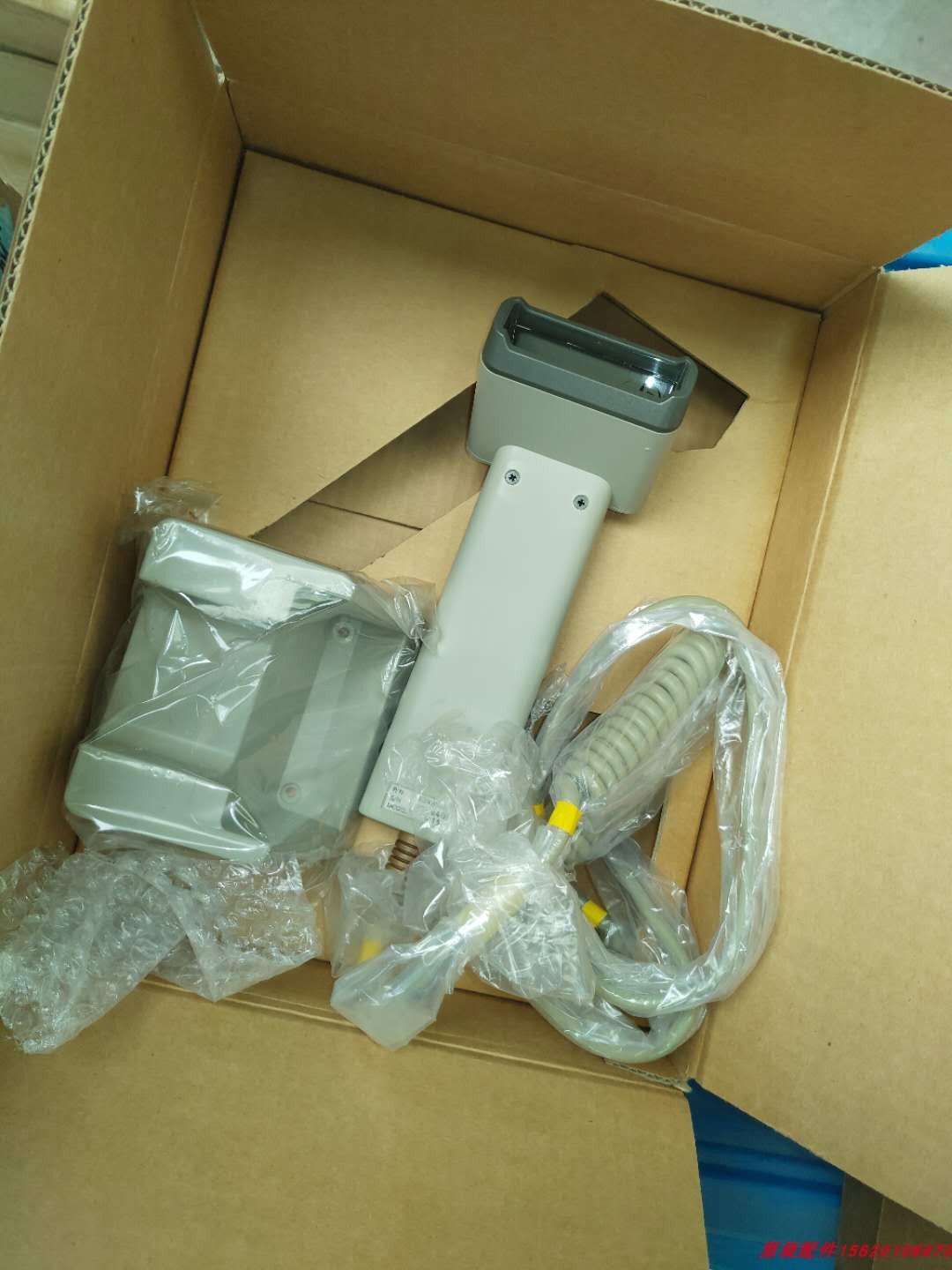
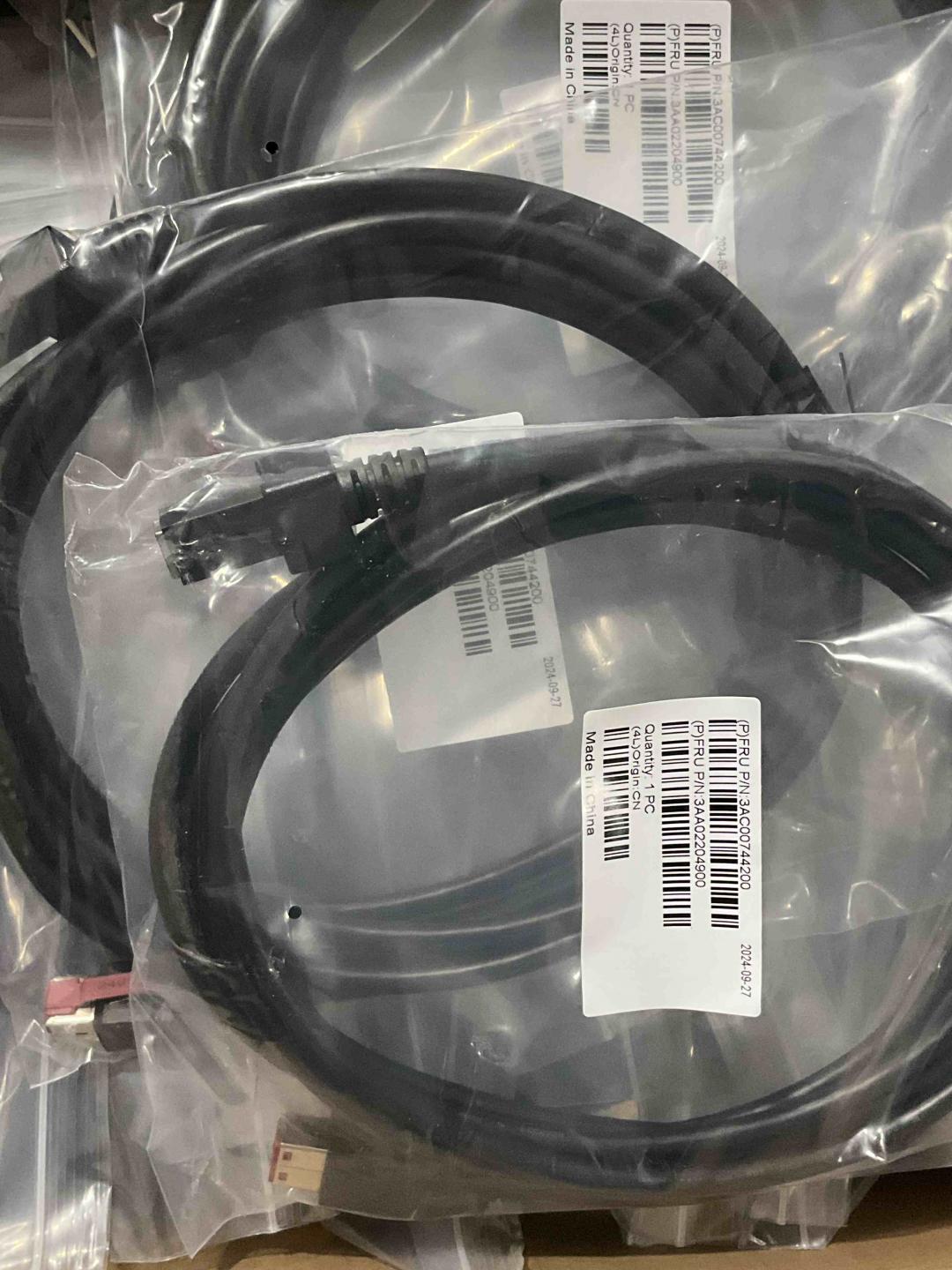

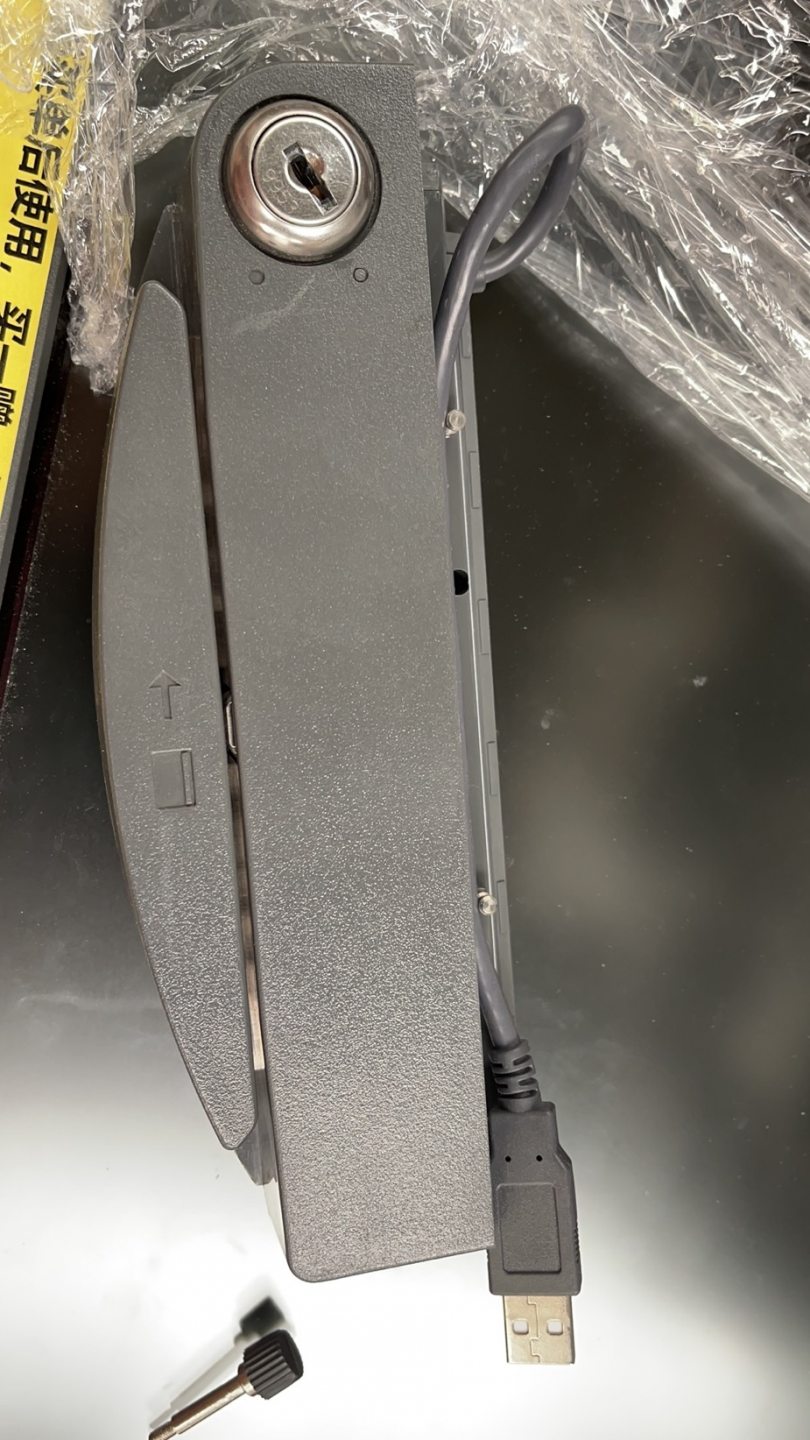
¿Necesita las piezas mencionadas en esta guía?
Piezas OEM originales y alternativas probadas en fábrica para sistemas IBM, Toshiba, NCR, Diebold, Wincor y Hyosung — con envío mundial.