
Cableado y conexión del cajón de dinero: drawer-kick RJ11/RJ12, accionado por impresora vs USB, y el pulso de 12–24V
Una guía de cableado para conectar un cajón de dinero POS — qué es la interfaz drawer-kick (DKD) RJ11/RJ12, los pines del solenoide y del sensor, disparadores accionados por impresora vs USB autónomos, el pulso de apertura de 12–24V, y cómo igualar el cable y el disparador a tu impresora.
La respuesta corta
The surprise for most people setting up a till: the cash drawer doesn’t plug into the computer at all. It plugs into the receipt printer, which pops it open with a short 12–24V pulse down an RJ11/RJ12 cable every time a receipt prints. Get three things right — interface, voltage and pinout — and it just works:
| Get this right | Why | |
|---|---|---|
| RJ11/RJ12 into the printer's DK port | The drawer is printer-driven, not PC-driven | — |
| Use a 6-pin RJ12 cable | 5+ pins needed for kick + open/closed sensing | — |
| Match solenoid voltage (12V vs 24V) | Mismatch = won't kick, or stresses the solenoid | — |
| Match the printer's pinout (Epson/Star…) | A phone cable is wired differently and can misfire | — |
La interfaz drawer-kick RJ11/RJ12
The connection standard goes by several names — drawer kick, DK, DKD, or the “Epson/Star/Citizen interface” — but it’s one idea: an RJ11/RJ12 cable carrying a kick pulse and a status sensor between printer and drawer.
| Connector | Contacts | Use | |
|---|---|---|---|
| RJ11 (true) | 4 | Too few for full sensing on most drawers | — |
| RJ12 | 6 | Standard — kick pins + open/closed sensor | — |
Accionado por impresora vs USB autónomo
There are two ways to drive the kick. The drawer wiring is identical — only what sends the pulse differs:
| Printer-driven | Standalone USB trigger | ||
|---|---|---|---|
| What fires it | The receipt printer's DK port | A small USB trigger/controller box | — |
| Needs a receipt printer? | Yes | No | — |
| Connects to POS via | The printer | USB, directly | — |
| Best for | Standard till with a printer | No printer, or POS-controlled 'no sale' | — |
Voltaje, pines y el pulso de apertura
The kick is a brief, punchy pulse — and matching its voltage is the part people most often get wrong:
| Spec | Typical value | |
|---|---|---|
| Solenoid voltage | 12V or 24V DC — match drawer to printer port | — |
| Pulse duration | Very short — under ~100 ms | — |
| Current | Around 1A during the pulse | — |
| Solenoid pins (6-pin) | A pin pair (e.g. 2 & 4, or 4 & 5) | — |
| Sensor pins | Another pair (commonly 3 & 6) — open/closed | — |
Cuando el cajón no abre
If the drawer won’t open, split the problem into electrical (wiring/signal) and mechanical (the drawer itself):
- 1
Check the cable and port
Confirm an RJ11/RJ12 cable runs into the printer’s drawer-kick (DK) port — not a phone, network or serial jack — and is seated at both ends. - 2
Check the printer fires the kick
Make sure the printer/POS is set to send the kick on print (or test the “open drawer” command). No pulse = no open, regardless of the drawer. - 3
Confirm voltage match
Verify the drawer’s solenoid voltage matches the printer’s port (12V vs 24V). A mismatch can mean a weak click or no kick at all. - 4
Clicks but won't open? Go mechanical
If the solenoid clicks with good wiring but the drawer stays shut, the fault is mechanical — jam, bent frame or failed solenoid. See the cash-drawer-not-opening guide.
Elegir un cable o disparador
Most connection problems are solved with the right cable or a trigger — match them to your gear:
| Part | Match on | |
|---|---|---|
| RJ11/RJ12 drawer cable | 6-pin RJ12, wired for your printer brand's pinout | — |
| USB drawer trigger | POS connection (USB) + RJ11/RJ12 to the drawer | — |
| Replacement solenoid | Correct voltage (12V/24V) for your printer port | — |
Browse drawers and cables in our cash drawer parts category, printers in POS printers, and leads in cables & connectors. If the drawer clicks but stays shut, work through our cash-drawer-not-opening guide; to choose a new drawer, the cash drawer buying guide. Tell us your printer brand and drawer voltage and we’ll match the right cable or trigger.
Preguntas frecuentes
¿Cómo se conecta un cajón de dinero a un POS?
¿Cuál es la diferencia entre RJ11 y RJ12 para un cajón de dinero?
¿Qué voltaje usa un cajón de dinero para abrir?
¿Qué pines hacen qué en el cable RJ11/RJ12 del cajón?
¿Puedo abrir un cajón de dinero sin impresora de recibos?
Mi cajón no abre — ¿es el cableado o el cajón?
Fuentes y lecturas complementarias
- Cash Drawer Cables & Connectivity Guide — Star Micronics
- About Cash Drawer Interfaces — RJ11, RJ12 — Cashdrawers.ie
- Cash Drawer Setup and Guidance — Acode
- RJ11/RJ12 Replacement Cable for Cash Drawer — Volcora
Guías relacionadas
¿Ventilador POS ruidoso o fallando? Diagnostica el rodamiento, límpialo y elige un reemplazo
Un ventilador POS que rechina o silba suele ser polvo o un rodamiento gastado — ignorado, lleva a sobrecalentamiento y apagones. Aquí está cómo hallar el ventilador ruidoso, decidir limpiar-o-reemplazar, y elegir el correcto.
Leer guía →¿El recibo imprime tenue, oscuro, parcial o con rayas? Solución de calidad de impresión térmica (empieza por el autotest)
Recibos tenues, con rayas o de un lado casi siempre se deben a un cabezal sucio, al papel equivocado o a un ajuste de densidad — no a una impresora muerta. Un autotest dice si la solución es software o hardware.
Leer guía →Fallo de placa base POS: sin alimentación, sin POST, condensadores hinchados — diagnostica antes de reemplazar
Antes de condenar una placa base POS, prueba que es la placa y no la fuente, la RAM o una pila de botón muerta. Una inspección visual de dos minutos más los pitidos POST suele decirlo — aquí está el método.
Leer guía →Categorías relacionadas
Repuestos destacados
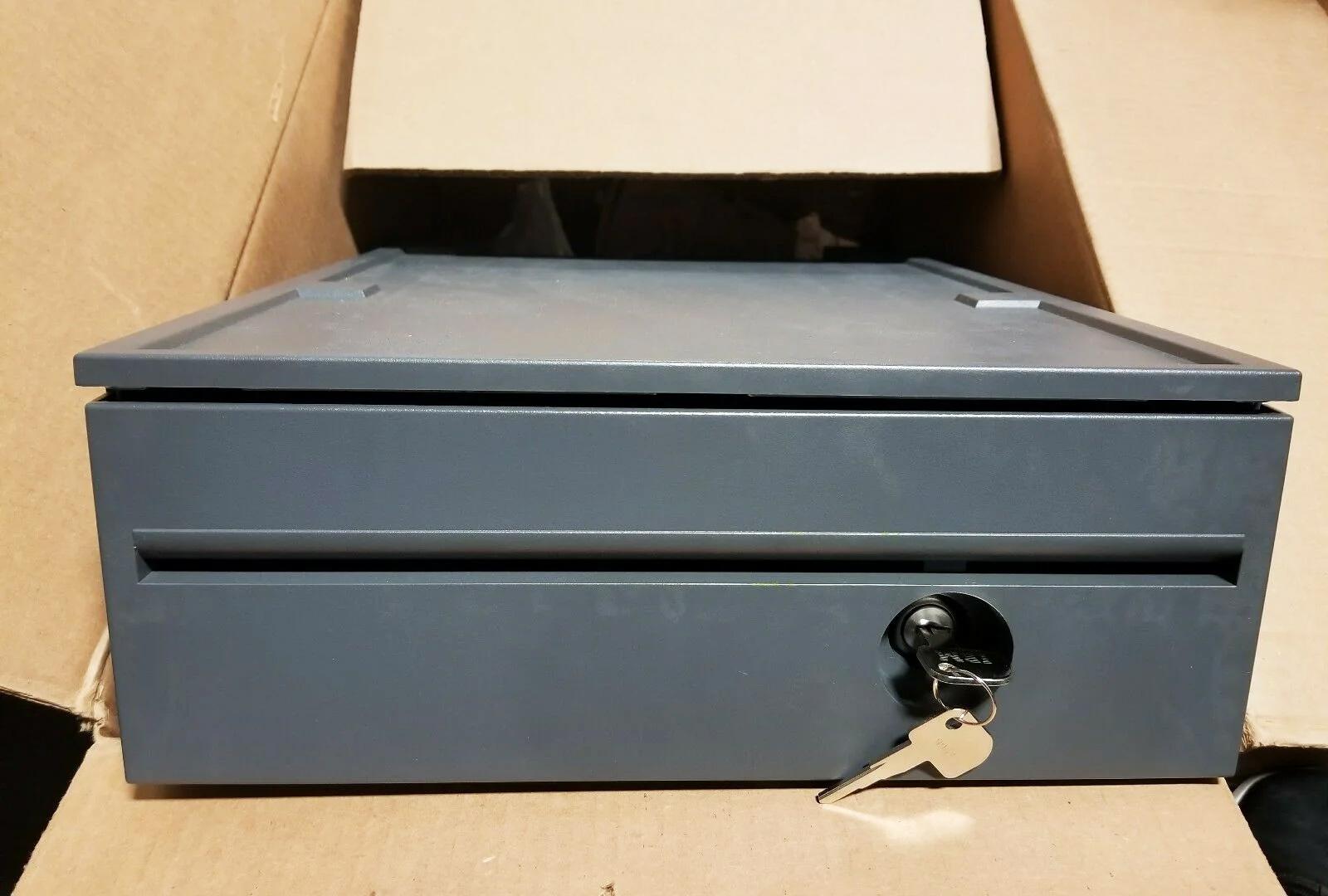
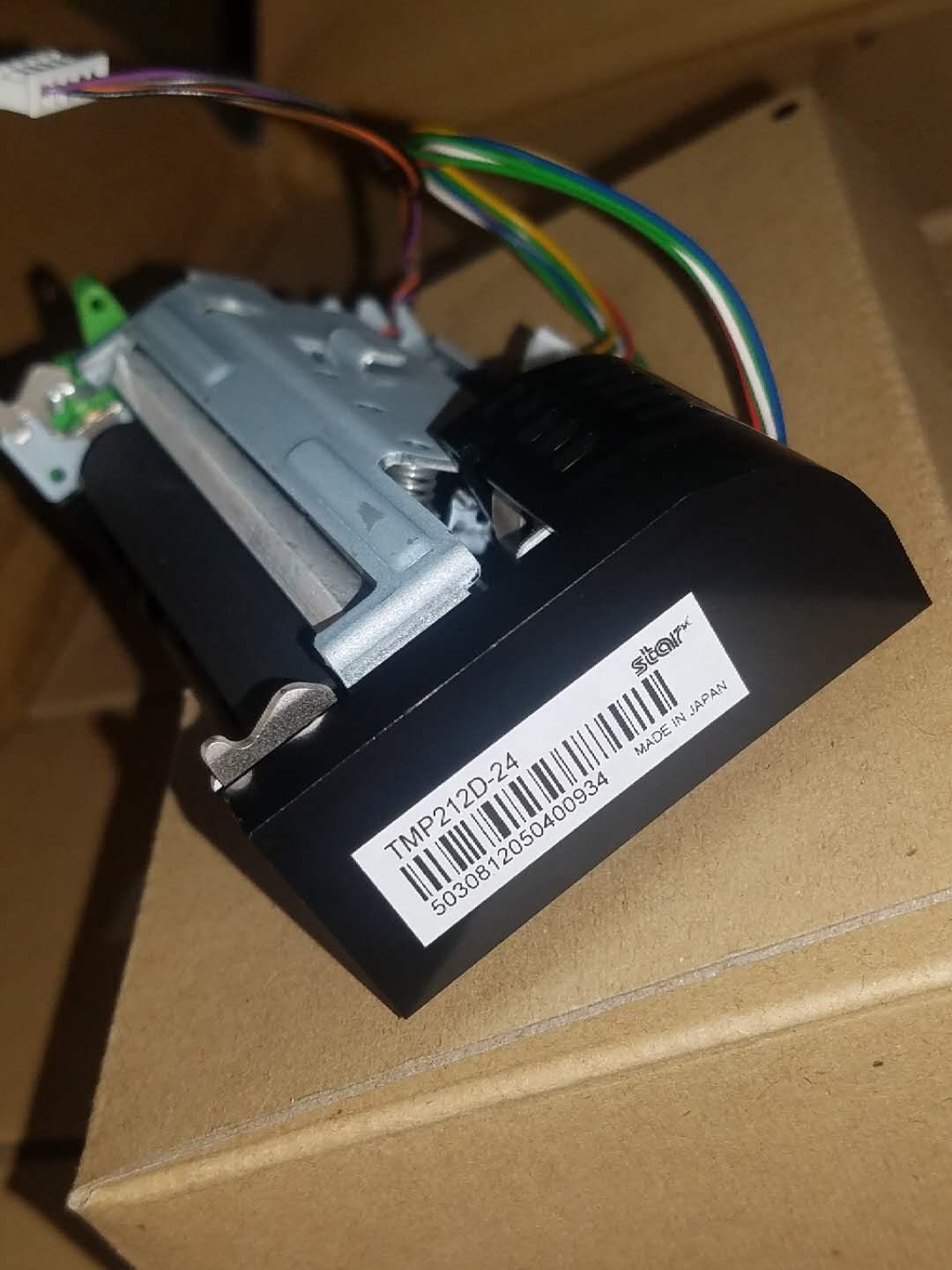
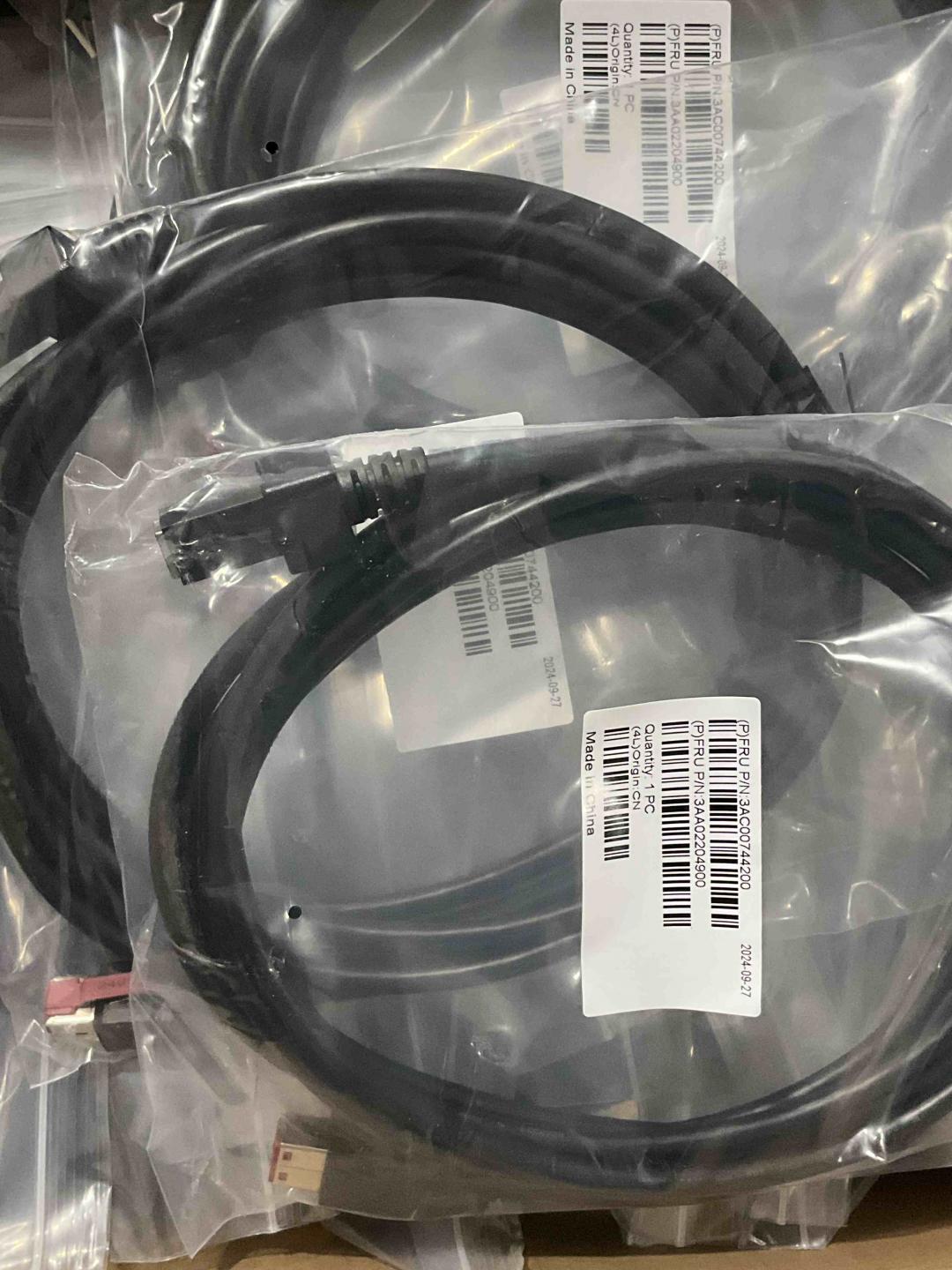
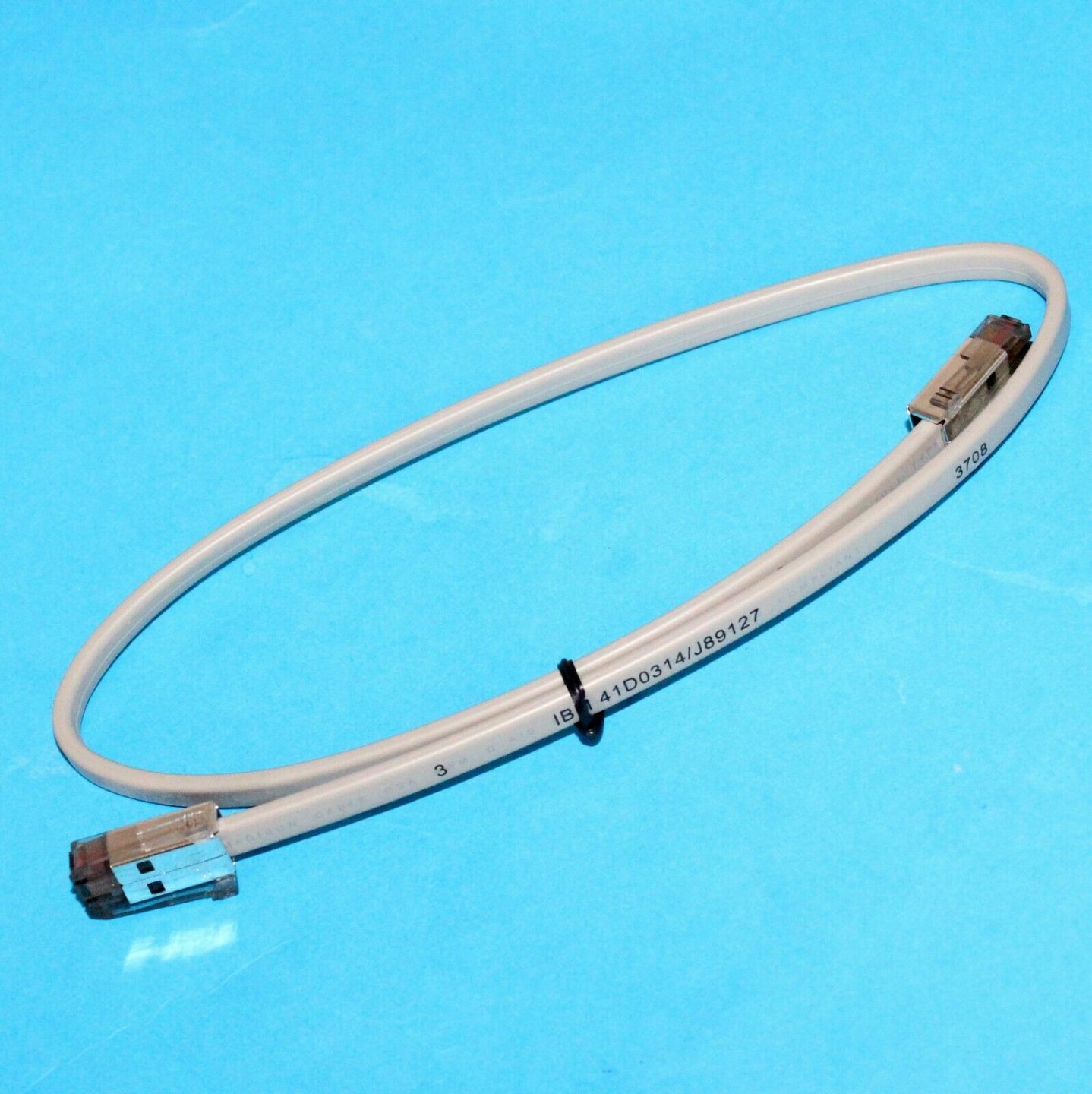
¿Necesita las piezas mencionadas en esta guía?
Piezas OEM originales y alternativas probadas en fábrica para sistemas IBM, Toshiba, NCR, Diebold, Wincor y Hyosung — con envío mundial.