
Extiende la vida del cabezal térmico 2–3×: un manual de mantenimiento para impresoras POS, etiquetas y básculas
Un manual de mantenimiento específico y neutral respecto al fabricante para cabezales térmicos — frecuencia de limpieza, el disolvente correcto, manejo ESD, señales de alerta de calidad del papel y cómo detectar desgaste antes de un fallo de cara al cliente.
Por qué fallan prematuramente los cabezales
A genuine OEM thermal printhead in a clean, climate-controlled environment is rated for around 50 km of paper feed (~ 100,000 receipts) on a POS receipt printer, or 50 km of media on a barcode label printer. Field service data shows real-world life ranges from 6 months in a dusty grocery store to 5+ years in a clean office. The spread comes from three (and only three) factors:
- Abrasion from poor-quality paper. Off-spec thermal media has embedded grit (silica filler, calcium carbonate) and uneven coatings. Each receipt drags those abrasives across the printhead's protective glaze. Once the glaze is breached, individual heater elements oxidise and fail.
- Buildup from skipped cleaning cycles. Paper dust, leftover label adhesive and condensed moisture form a film on the head. The driver compensates by ramping up energy, which accelerates wear.
- Electrostatic discharge events. A dry-air winter day plus a polyester uniform plus a customer's hand on the printer chassis = 5,000 V across the printhead's micron-scale traces. Individual elements can vaporise instantly.
Calendario de limpieza recomendado
| Use case | Cleaning frequency | |
|---|---|---|
| Heavy retail (300+ receipts/day) | Every 2 weeks | — |
| Light retail (under 100 receipts/day) | Monthly | — |
| Restaurant front-of-house | Every 2 weeks | — |
| Barcode label printer | Every roll of media or every roll of ribbon | — |
| Office / occasional use | Quarterly | — |
| Whenever a print issue first appears | Always — clean before any other diagnostic | — |
El procedimiento de limpieza correcto
- 1
Power off and let the printhead cool
Power off the printer. The printhead can be hot enough to cause a minor burn immediately after printing — wait 60 seconds.Caution: Some printers (Zebra ZD411, ZD421) have an internal capacitor that holds voltage briefly after shutdown. - 2
Open the printer and remove paper / ribbon
Open the print mechanism. Remove the paper roll. On thermal-transfer printers, also remove the ribbon. Set both aside in a clean spot. - 3
Discharge static
Touch the printer's metal chassis or wear a grounded ESD wrist strap. Both prevent discharge through the printhead while you're working on it. - 4
Wipe the printhead with 99% isopropyl alcohol
Use a printhead-cleaning swab pre-saturated with 99% (anhydrous) IPA, or a lint-free swab dipped in the same. Wipe along the dark stripe of heater elements end-to-end in one direction. Repeat with a fresh swab if visibly dirty.Caution: Never use water, ethanol, acetone, or 70% IPA — they all leave residue or attack the glaze. - 5
Clean the platen roller too
The rubber platen roller below the head accumulates the same residue. Rotate it manually as you wipe with another IPA swab. Skipping this is the most common reason cleaning “doesn't help”. - 6
Allow to dry before reassembling
IPA flashes off in 10–15 seconds. Don't rush it — closing the print mechanism while the head is still wet can leave streaks. - 7
Reload media and run a self-test print
Reload paper / ribbon. Power on. Run the printer's self-test print. Confirm no missing dots, no fading and no smudges.
Calidad del papel: el asesino silencioso
The printhead manufacturer's advice — “use quality media” — sounds vague until you've replaced the third printhead this year on a station running discount paper. The quality differences are real and measurable:
| Quality (BPA-free, brand-name) | Discount / unbranded | |
|---|---|---|
| Paper dust during print | Minimal | Significant |
| Coating uniformity | Consistent darkness | Splotchy, hot/cold areas |
| Embedded abrasives | Within spec | Often above spec — accelerates head wear |
| Cost premium | +10–20% | Baseline |
| Effect on head life | Baseline / extends life | Cuts head life by 30–60% |
| Receipt fade rate | Slow (12+ months legible) | Fast (3–6 months) |
Daño por ESD y cómo evitarlo
A thermal printhead has thousands of heater elements wired through micron-scale traces. A single static discharge — easily 5,000+ volts on a dry day — can vaporise individual elements. The damage shows up immediately as fixed missing-dot patterns the printer self-test diagnoses cleanly.
Signos tempranos de desgaste
Catch a printhead before it strands you mid-day. The signs below appear in roughly the order listed; intervene at the first one to maximise remaining service life.
- Density drift between cold and warm prints. First print of the day looks lighter than print 50. The driver is over-compensating for early thermal inertia — usually a sign of glaze thinning.
- Faint receipts that improve after cleaning. Normal for a few cycles. If the symptom returns within a day of cleaning, the glaze is going.
- Density gradients down the receipt. Top of the receipt darker than the bottom (or vice versa) — usually the platen roller has worn unevenly. Replace both head and platen.
- One persistent narrow vertical white line. A dead element. The head will continue to print but should be replaced before more dots fail.
- Multiple white lines spreading. End-of-life. Replace immediately.
Qué tener en tu kit de mantenimiento
| Item | Why | |
|---|---|---|
| 99% (anhydrous) isopropyl alcohol | The only safe solvent — no residue | — |
| Pre-saturated IPA cleaning swabs (printhead grade) | Lint-free, controlled IPA dose, safer than DIY | — |
| Cleaning cards / cleaning rolls | Run through the printer for in-line cleaning between services | — |
| ESD wrist strap with grounding cable | Eliminates the #1 cause of sudden death | — |
| Spare printhead + spare platen roller (one of each) | Bench inventory beats next-day shipping during an outage | — |
| Magnifier loupe (10×) | Visual inspection of glaze and heater stripe | — |
| Compressed-air canister | For paper-dust around the print mechanism | — |
Preguntas frecuentes
¿Con qué frecuencia debo limpiar un cabezal térmico?
¿Puedo usar agua o cualquier alcohol para limpiar un cabezal?
¿Debo limpiar también el rodillo de impresión?
¿Por qué el papel térmico barato mata los cabezales?
¿Cómo daña la ESD un cabezal de impresión?
¿Hay una cifra real de cuánto extiende la vida la limpieza?
Fuentes y lecturas complementarias
- Printhead Maintenance Guide (PDF) — Zebra Technologies
- Best Practices for Thermal Label Printer Maintenance — Weber Packaging Solutions
- Top 15 Tips for Zebra Thermal Barcode Printer Maintenance — Midcom Data
- Cleaning the ZD411T Printhead — Zebra Technologies Documentation
- How to Clean Your Zebra Printhead and Platen Roller — Thermal Printer Supplies
Guías relacionadas
Por qué se desvanecen los recibos térmicos — y cómo almacenar papel térmico para que las impresiones duren
Una impresión térmica no es tinta — es una marca química activada por calor que más calor, luz, humedad o aceite puede borrar. Aquí está por qué se desvanecen los recibos, cuánto duran realmente, y cómo almacenar los que importan.
Leer guía →Terminal POS sobrecalentándose: causas, refrigeración, reemplazo del ventilador y un plan de mantenimiento
Un terminal POS que se reinicia en la hora punta del almuerzo o quema al tacto casi siempre tiene un problema de refrigeración — polvo, un ventilador muriendo o flujo de aire bloqueado. Aquí está cómo enfriarlo hoy y un plan para que no vuelva a pasar.
Leer guía →¿La balanza comercial no pesa con precisión? Nivelación, calibración, prueba de celdas y reglas de uso legal
Una balanza imprecisa suele estar desnivelada, sucia o pendiente de calibración — no una celda muerta. Aquí está la secuencia de diagnóstico, cómo probar una celda, y las reglas de uso legal que deciden qué puede reparar usted mismo.
Leer guía →Categorías relacionadas
Repuestos destacados
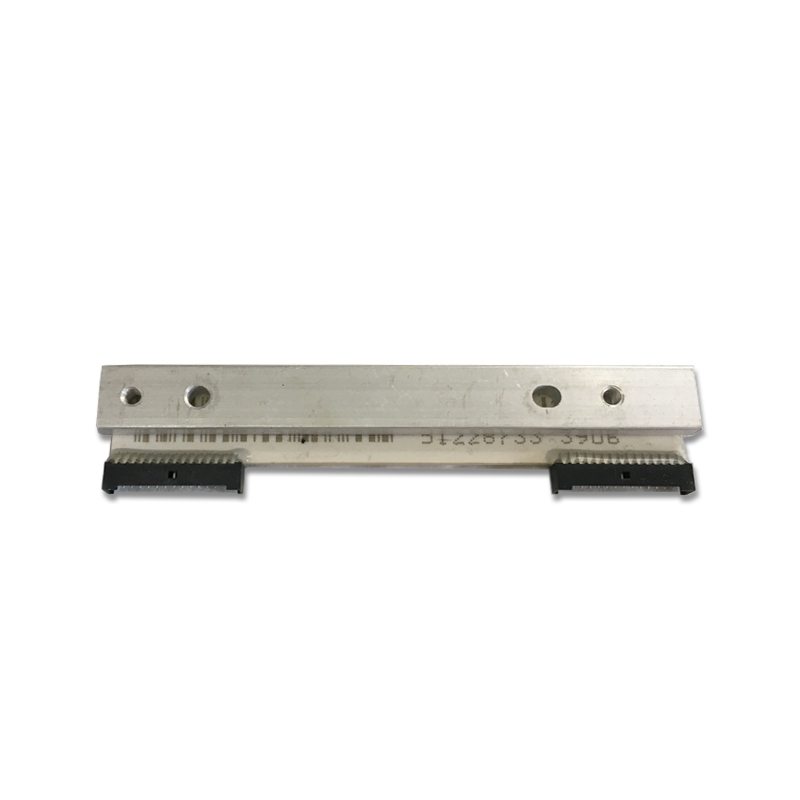
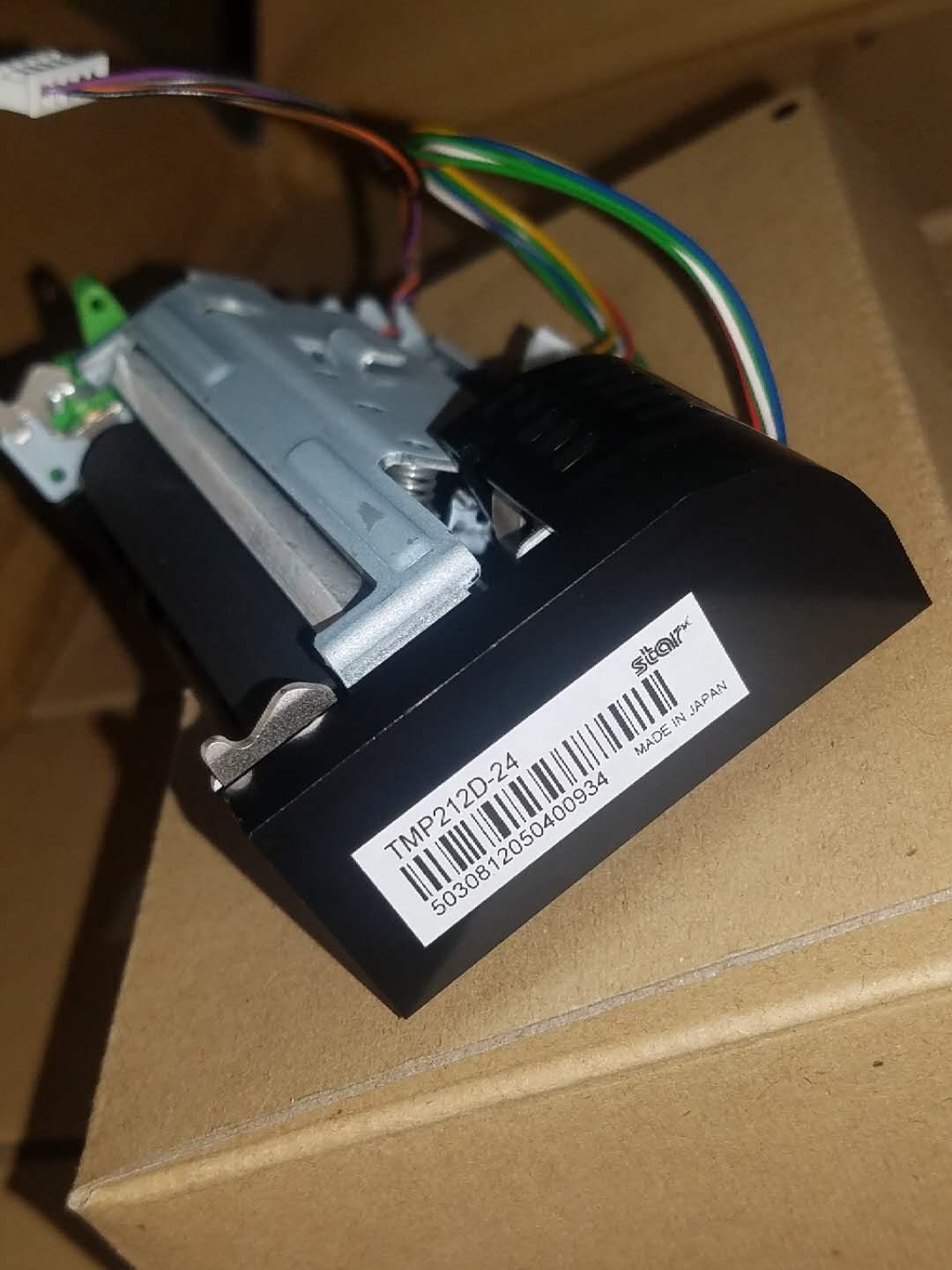
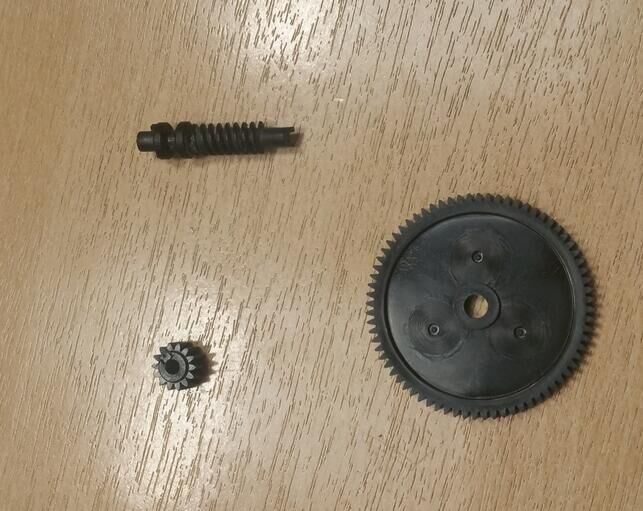
¿Necesita las piezas mencionadas en esta guía?
Piezas OEM originales y alternativas probadas en fábrica para sistemas IBM, Toshiba, NCR, Diebold, Wincor y Hyosung — con envío mundial.