
¿Terminal POS sin conexión o no conecta? Diagnóstico de red desde el LED de enlace hasta el procesador
Una guía de campo para un terminal POS sin conexión o que no conecta — la cadena de conexión del terminal al switch al ISP al procesador, comprobaciones del LED de enlace y la IP, una rutina de reinicio en orden, aislar fallos locales vs internet vs procesador, y Wi-Fi vs cable.
El triaje rápido
An “offline” POS panics a busy counter, but the fault is rarely the terminal itself — it’s one broken link in a chain that runs from the terminal, through your switch and router, out to the internet, and on to the payment processor. Find the broken link by working outward:
| Check | What it tells you | |
|---|---|---|
| 1. Link lights at terminal & switch | No light = cable or port — a physical break | — |
| 2. Terminal has a valid IP | No/odd IP = DHCP, conflict or config | — |
| 3. Another device on the LAN online? | Others offline too = router/modem/ISP | — |
| 4. Internet works but cards fail | Processor/gateway or a blocked port | — |
| 5. Reboot in order; isolate; escalate | Confirms the link and who to call | — |
La cadena de conexión (dónde se rompe)
A card transaction crosses five links. Knowing the chain tells you which links a symptom rules in or out:
- Terminal ↔ switch: cable, port, link light, the terminal’s NIC/interface card.
- Switch/router/modem: local network, IP addressing, the device being up.
- Internet/ISP: your line — affects every device, not just the POS.
- Processor/gateway: the payment back-end — internet works but cards still fail.
Leer el síntoma
Match the symptom to narrow which link to check first:
| Symptom | Most likely link | |
|---|---|---|
| No link light at the terminal | Cable / port / NIC — physical | — |
| Terminal has no/odd IP (169.254.x.x) | DHCP not reachable, or IP conflict | — |
| Whole site has no internet | Modem/router or ISP outage | — |
| Only the POS is offline, others fine | Terminal config, or processor/gateway | — |
| Internet OK but cards decline/timeout | Processor/gateway, or a blocked firewall port | — |
| Drops offline intermittently (Wi-Fi) | Signal/interference — consider wired | — |
Paso a paso: aislar el eslabón roto
Work the sequence in order. Each step proves one link good so you stop guessing:
- 1
Check the physical link
Confirm the cable is seated and the link lights are on at both the terminal and the switch/router. Reseat or swap the cable; try another switch port. No light = stop here and fix the physical layer. - 2
Reboot in order
Power-cycle from the internet inward: modem → (sync) → router → switch → POS terminal. This gives each device a fresh address from the one upstream. - 3
Check the terminal's IP
Confirm a valid IP, gateway and DNS (not a 169.254 self-assigned address). For a fixed terminal, a static IP or DHCP reservation avoids address churn. - 4
Test internet from another device
Put a phone or PC on the same network. If it has no internet, the fault is router/modem/ISP. If it’s fine, the fault is the POS or the processor. - 5
Isolate the processor / ports
Internet works but cards still fail? Check the processor/gateway status, and that the firewall allows your processor’s required ports/addresses. Then call the processor if needed.Caution: Don't reconfigure firewall rules blindly — confirm the exact ports/addresses your processor documents.
Wi-Fi vs cable para un POS
How a terminal connects shapes how often it drops. For a fixed till, wired wins; Wi-Fi is for mobility:
| Wired Ethernet | Wi-Fi | |
|---|---|---|
| Reliability | High, steady | Variable (signal, congestion) |
| Latency for card auth | Low, consistent | Higher, more jitter |
| Interference / dead spots | None | Possible |
| Best for | Fixed tills, ATMs | Tablet / mobile POS |
| Intermittent-offline fix | — | Often: move to wired |
Piezas, y cuándo no es tu red
Most network faults are config or the cable, not a part — but when hardware is the cause, here’s what to check and source:
| Item | Note | |
|---|---|---|
| Network cable | Swap-test first; the cheapest and most common fault | — |
| Terminal NIC / interface card | Confirm with a known-good cable/port before replacing | — |
| Switch / router port | Try a different port; a dead port mimics a dead NIC | — |
| Processor / ISP (not a part) | Internet-OK-but-cards-fail = call them, don't swap parts | — |
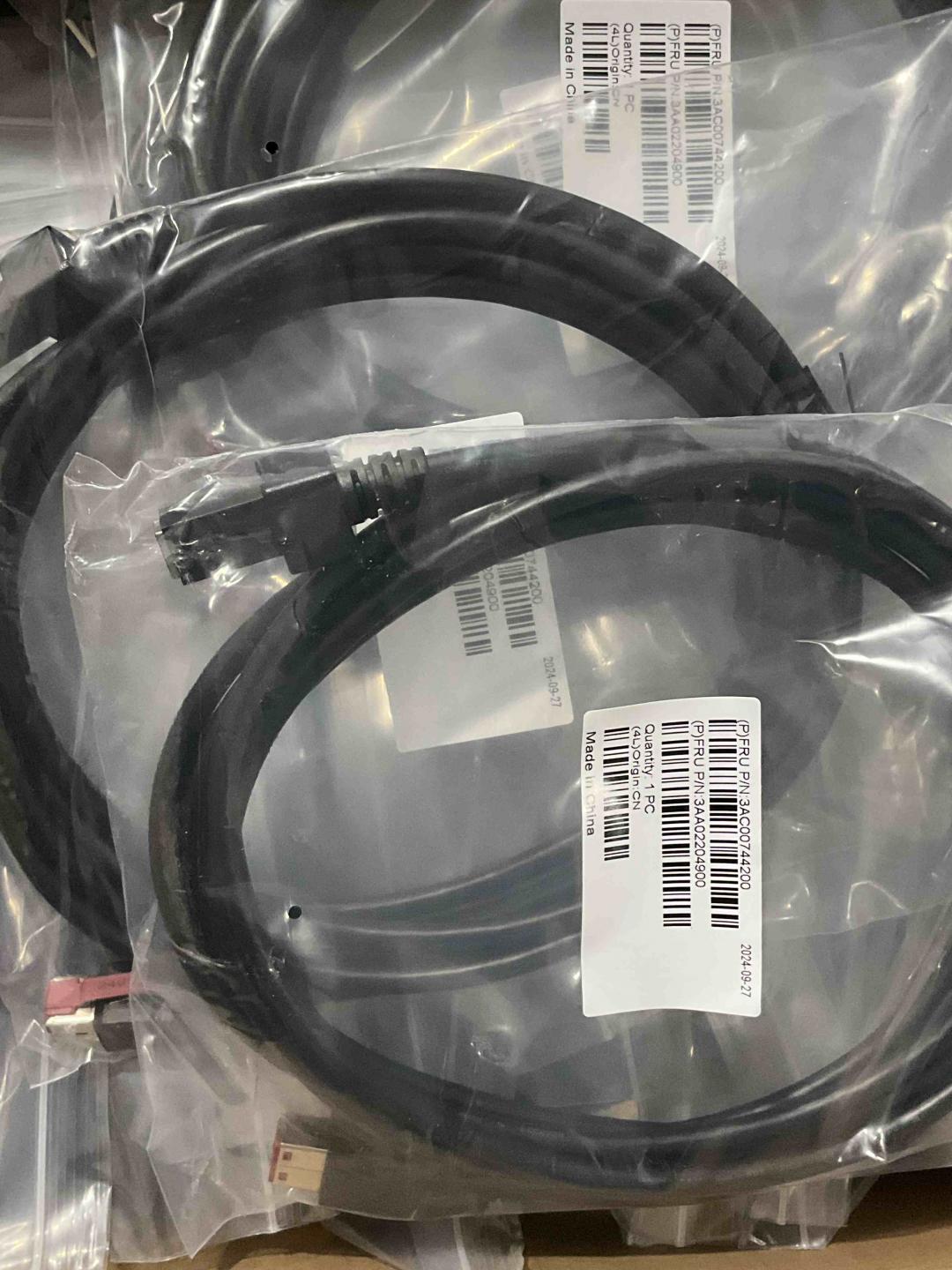
Browse network and interface parts in our interface cards and cables & connectors categories, and boards in mainboards. If the printer (not the terminal) is the thing that won’t connect, see our printer interface & connectivity guide; if the terminal won’t boot at all, the won’t-boot guide. Tell us your terminal model and we’ll match the right interface card or cable.
Preguntas frecuentes
Mi POS dice sin conexión — ¿por dónde empiezo?
¿Cómo sé si es mi red o el procesador de pagos el que está caído?
¿Cuál es el orden correcto para reiniciar?
¿Mi POS debe usar IP estática o DHCP?
¿Wi-Fi o Ethernet por cable para un terminal POS?
¿Podría un firewall o la tarjeta de red del terminal ser el problema?
Fuentes y lecturas complementarias
- Troubleshoot a POS that's offline / network issues — Square
- Network & Connectivity Troubleshooting for POS — Lightspeed Retail
- Troubleshoot Network Connectivity (basics) — Cisco
- Static IP vs DHCP — which to use — TP-Link
- Wired vs Wireless for Business Devices — Intel
Guías relacionadas
Cableado y conexión del cajón de dinero: drawer-kick RJ11/RJ12, accionado por impresora vs USB, y el pulso de 12–24V
Un cajón de dinero POS no se enchufa a la caja — lo abre un pulso de 12–24V de la impresora de recibos por un cable RJ11/RJ12. Interfaz, pines y voltaje correctos, y funciona.
Leer guía →¿Ventilador POS ruidoso o fallando? Diagnostica el rodamiento, límpialo y elige un reemplazo
Un ventilador POS que rechina o silba suele ser polvo o un rodamiento gastado — ignorado, lleva a sobrecalentamiento y apagones. Aquí está cómo hallar el ventilador ruidoso, decidir limpiar-o-reemplazar, y elegir el correcto.
Leer guía →¿El recibo imprime tenue, oscuro, parcial o con rayas? Solución de calidad de impresión térmica (empieza por el autotest)
Recibos tenues, con rayas o de un lado casi siempre se deben a un cabezal sucio, al papel equivocado o a un ajuste de densidad — no a una impresora muerta. Un autotest dice si la solución es software o hardware.
Leer guía →Categorías relacionadas
Repuestos destacados
%20Sparta%20Riser%20Card/120c399634d85265f7a7595a979407ee_c48b4b186f0a2eea2b86d0d5a86c219e_s-l1600.jpg)
¿Necesita las piezas mencionadas en esta guía?
Piezas OEM originales y alternativas probadas en fábrica para sistemas IBM, Toshiba, NCR, Diebold, Wincor y Hyosung — con envío mundial.