
¿La impresora de recibos del cajero no imprime? Atascos, carga, sensores y leer el código de error
Una guía para operadores de una impresora de recibos/diario de cajero que no imprime — fin de papel y despeje de atascos, cargar el papel térmico en el sentido correcto, limpiar los sensores de papel, leer el código de error, y mantener el cajero activo si la impresora falla.
El triaje rápido
An ATM that dispenses cash but won’t print a receipt is almost never a dead printer. The receipt module is a thermal printer, and its failures are mundane and quick to fix: out of paper, a jam, paper loaded upside-down, or a dusty sensor. Read the fault code, then work the cheap causes first:
| Do this | Why | |
|---|---|---|
| 1. Read the printer fault code | Names the failed area — paper, jam, cutter, or comms | — |
| 2. Check / replace the paper roll | Out-of-paper is the #1 cause | — |
| 3. Clear jams in path & cutter | Torn/crumpled paper stops the feed | — |
| 4. Check paper orientation | Blank-but-feeding = thermal side facing the wrong way | — |
| 5. Clean the paper sensor | Dust makes a loaded printer read 'out of paper' | — |
Cómo funciona la impresora de recibos del cajero
The ATM receipt printer is a thermal print module: a roll of thermal paper feeds past a printhead that darkens the coated side with heat, a cutter trims the slip, and optical sensors track paper-present, paper-low and jams along the path. There’s no ink or ribbon — which is exactly why orientation and sensors cause most faults.
Leer el síntoma
Match the symptom to point straight at the cause:
| Symptom | Most likely cause | |
|---|---|---|
| No receipt; 'out of paper' status | Empty roll, or a dusty/blocked paper sensor | — |
| Feeds paper but prints blank | Thermal paper loaded upside-down | — |
| Faint or partial print | Worn/dirty printhead or low-grade paper | — |
| Jam / paper error | Torn paper in the path or a stuck cutter | — |
| Receipt not cut / hangs | Cutter jam or failure | — |
| Printer comms / offline error | Cable, module fault — check the fault code | — |
Paso a paso: despejar las causas comunes
Work the sequence in order, following your machine’s documented procedure and any dual-control rules for opening the ATM:
- 1
Read the fault code
Check the operator/management menu for the printer error — it points at paper, jam, cutter or communication so you start in the right place. - 2
Check and replace the paper
Confirm there’s a roll and it isn’t nearly empty. Load a fresh roll of the correct width and diameter, seated squarely. - 3
Clear any jam
Open the module, gently remove torn or crumpled paper from the path and cutter without forcing the mechanism, and check the cutter for a stuck slug. - 4
Verify paper orientation
If it feeds blank, the thermal side is facing the wrong way. Scratch-test the paper, then reload with the coated (marking) side toward the printhead.Caution: Only one side of thermal paper prints — load it backwards and you get a blank receipt every time. - 5
Clean the sensor, then test or escalate
Blow dust off the paper sensor, clear the error/power-cycle, and run a test print. If it still fails (or the code points at the module), enable optional receipts to keep the ATM live and call service.
Cargar el papel térmico en el sentido correcto
Two paper details cause a disproportionate share of receipt faults — orientation and spec. Get both right and most printers behave:
| Detail | Get it right | |
|---|---|---|
| Coated side | Faces the printhead. Scratch-test: the side that marks is thermal | — |
| Roll width | Match the printer's spec exactly (a too-wide roll jams) | — |
| Roll diameter / core | Within the module's max diameter and correct core size | — |
| Paper grade | Quality thermal stock; cheap paper fades and leaves residue on the head | — |
| Storage | Cool, dark, dry — heat/UV darken thermal paper before use | — |
Piezas de desgaste y cuándo llamar al servicio
When cleaning and reloading don’t fix it, these are the parts that wear on an ATM receipt printer — match to your machine and printer module:
| Part | Symptom when failing | |
|---|---|---|
| Thermal printhead | Faint or missing dots after paper is confirmed good | — |
| Cutter | Receipt not cut, repeated cutter jams | — |
| Platen roller | Feed problems, skew, smudging | — |
| Paper sensor | False 'out of paper' after cleaning | — |
| Printer control board / cable | Comms/offline errors — confirm cabling first | — |
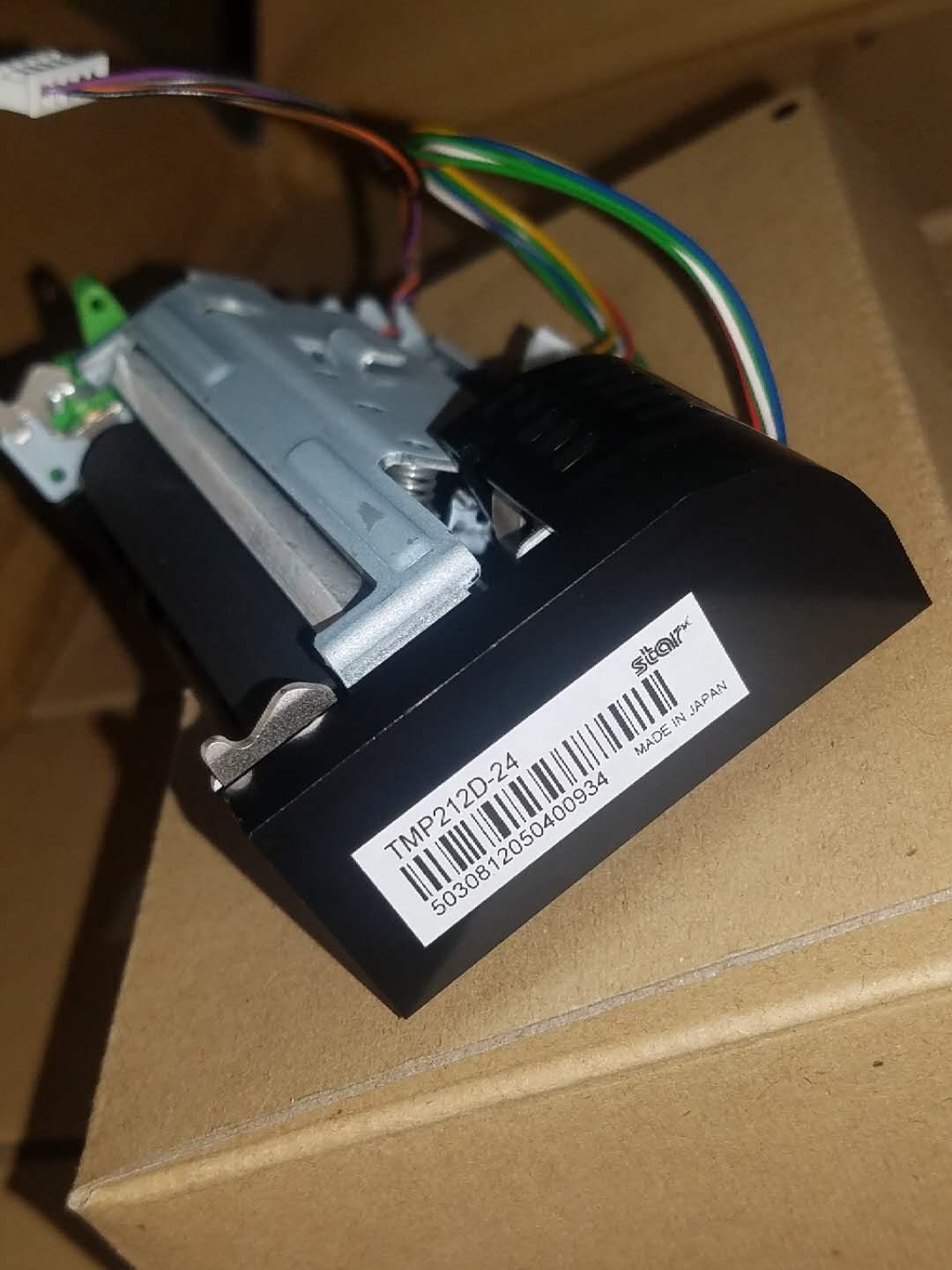
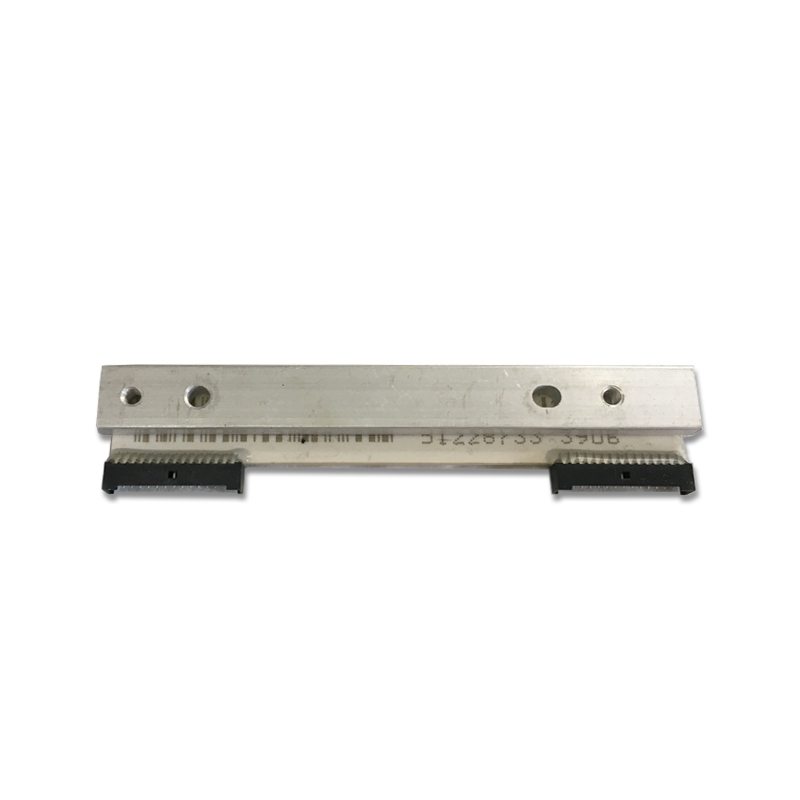
Browse printers and spares in our POS printers category, printheads in thermal print heads, and cutters in printer cutter parts. For thermal-paper selection see our receipt paper buying guide, for head care the printhead life guide, and for cutter jams the cutter jam guide. Tell us your ATM and printer module and we’ll match the right part.
Preguntas frecuentes
Mi cajero dispensa efectivo pero no imprime recibo — ¿qué pasa?
El recibo sale pero está en blanco — ¿por qué?
¿Cómo despejo un atasco de la impresora de recibos del cajero?
La impresora dice fin de papel pero hay papel cargado — ¿ahora qué?
¿Puede el cajero seguir funcionando si la impresora de recibos falla?
¿Qué diferencia hay entre la impresora de recibos y el diario?
Fuentes y lecturas complementarias
- Common ATM Error Codes and How to Fix Them — ATM Depot
- Troubleshooting Common ATM Errors: Repair vs Replace — Dollar ATM Club
- Nautilus Hyosung ATM Operator Manuals (printer & paper) — Nautilus Hyosung
- Triton ATM Error Codes (printer faults) — Triton (via NextATM)
- Thermal Receipt Paper: Coated Side and Loading — POSGuys
Guías relacionadas
Cableado y conexión del cajón de dinero: drawer-kick RJ11/RJ12, accionado por impresora vs USB, y el pulso de 12–24V
Un cajón de dinero POS no se enchufa a la caja — lo abre un pulso de 12–24V de la impresora de recibos por un cable RJ11/RJ12. Interfaz, pines y voltaje correctos, y funciona.
Leer guía →¿Ventilador POS ruidoso o fallando? Diagnostica el rodamiento, límpialo y elige un reemplazo
Un ventilador POS que rechina o silba suele ser polvo o un rodamiento gastado — ignorado, lleva a sobrecalentamiento y apagones. Aquí está cómo hallar el ventilador ruidoso, decidir limpiar-o-reemplazar, y elegir el correcto.
Leer guía →¿El recibo imprime tenue, oscuro, parcial o con rayas? Solución de calidad de impresión térmica (empieza por el autotest)
Recibos tenues, con rayas o de un lado casi siempre se deben a un cabezal sucio, al papel equivocado o a un ajuste de densidad — no a una impresora muerta. Un autotest dice si la solución es software o hardware.
Leer guía →Categorías relacionadas
Repuestos destacados
¿Necesita las piezas mencionadas en esta guía?
Piezas OEM originales y alternativas probadas en fábrica para sistemas IBM, Toshiba, NCR, Diebold, Wincor y Hyosung — con envío mundial.