
Руководство по выбору сканера штрихкодов: 1D-лазер против 2D-имиджера, проводной против беспроводного, ручной против бесконтактного
Руководство по выбору розничных и POS-сканеров штрихкодов — 1D-лазер против 2D-имиджера (и когда 2D обязателен для экранов телефонов/QR), форм-факторы ручной/презентационный/стационарный, проводной против беспроводного, и проверки символик, прочности и интерфейса перед покупкой.
Два решающих вопроса
A barcode scanner spec sheet lists a dozen options, but two questions settle most of the decision: do you need to scan phone screens? (if yes, you need a 2D imager) and is the counter busy enough to want hands-free? (if yes, lean presentation). Everything else — connection, durability, interface — refines from there.
| Your situation | Buy this | |
|---|---|---|
| Scan mobile coupons / QR / wallets | 2D area imager (not a 1D laser) | — |
| Only printed 1D barcodes, tight budget | 1D laser (or linear imager) | — |
| Fast, high-volume main lane | Presentation (hands-free) scanner | — |
| Varied items, away from till, stock checks | Handheld — wireless if you must move | — |
| Fixed self-checkout / kiosk | Fixed-mount 2D scan engine | — |
Технология: 1D-лазер против 2D-имиджера
Scan technology is the first fork. The three you’ll see, and what each can read:
| Type | Reads | Best for | |
|---|---|---|---|
| 1D laser | Linear (1D) barcodes only | Printed package barcodes, lowest cost | — |
| Linear imager | 1D barcodes (camera-based) | 1D codes, better on damaged/poor print | — |
| 2D area imager | 1D + 2D (QR, Data Matrix) | Phone screens, QR, mixed environments | — |
Форм-фактор: ручной, презентационный, стационарный
Form factor is the second fork — how the scanner is operated. Match it to how your staff actually work:
| Form factor | How it works | Best for | |
|---|---|---|---|
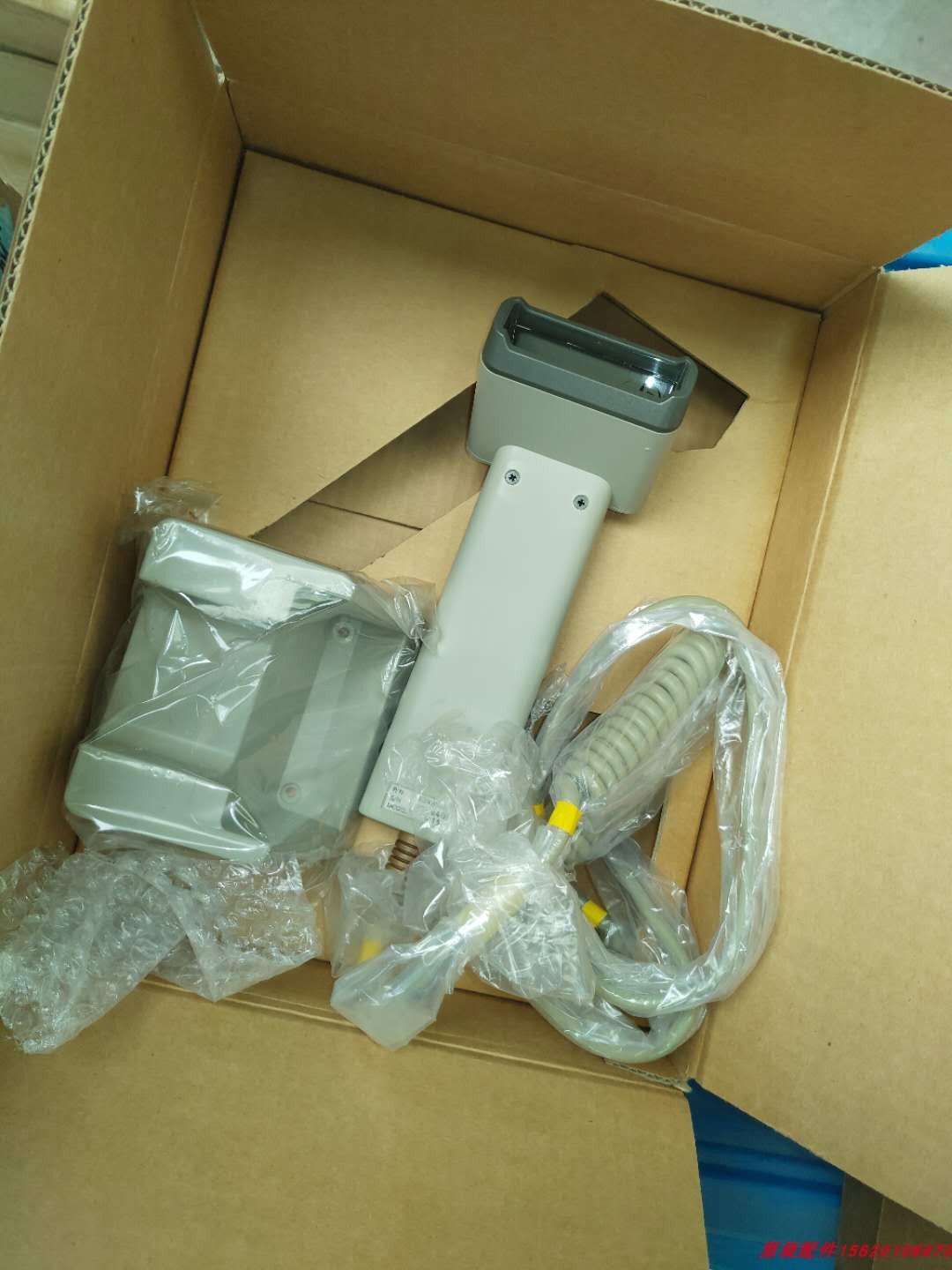
| Handheld | Point-and-scan with a trigger | Varied items, flexibility, service desks | — |
| Presentation | Sits on counter, hands-free | Fast, high-volume checkouts | — |
| Fixed-mount / in-counter | Built into the lane or kiosk | Self-checkout, unattended scanning | — |
Подключение: проводное против беспроводного
Once type and form are set, choose the connection. This one’s about whether you need to move with the scanner:
| Connection | Pros | Cons | |
|---|---|---|---|
| Corded (USB / serial) | Simple, no charging, lower cost | Tethered to the lane | — |
| Wireless (Bluetooth / RF) | Scan bulky items, shelf/stock checks, roam | Battery to charge, base/cradle to manage | — |
Подбор сканера под задачу
Put the forks together — most retail choices fall out of a short decision path:
- 1
Will you scan phone screens or QR?
Yes → you need a 2D area imager. No, only printed 1D barcodes → a 1D laser or linear imager can work (but 2D is the safe default). - 2
How busy is the lane?
Fast, high-volume main lane → presentation (hands-free). Varied items, service desk, or roaming → handheld. - 3
Do you need to move with it?
Stay at the till → corded. Scan bulky goods or check shelves → wireless. - 4
Confirm interface, symbologies, durability
Check it speaks your POS interface, reads your barcode types, and survives your environment (drop/IP rating) before you commit.
Чек-лист перед покупкой
Before you order, run this final checklist — a scanner that reads everything but won’t talk to your POS, or can’t survive the counter, is the wrong buy:
| Check | Why it matters | |
|---|---|---|
| Symbologies | Reads the 1D/2D codes your products & apps use | — |
| Phone-screen capability | 2D imager if you scan mobile coupons/wallets | — |
| Host interface | USB-HID, serial or USB-COM — must match your POS | — |
| Durability (drop / IP) | Survives drops, dust or wet areas if relevant | — |
| Stand / cradle included | Presentation use and charging for wireless | — |
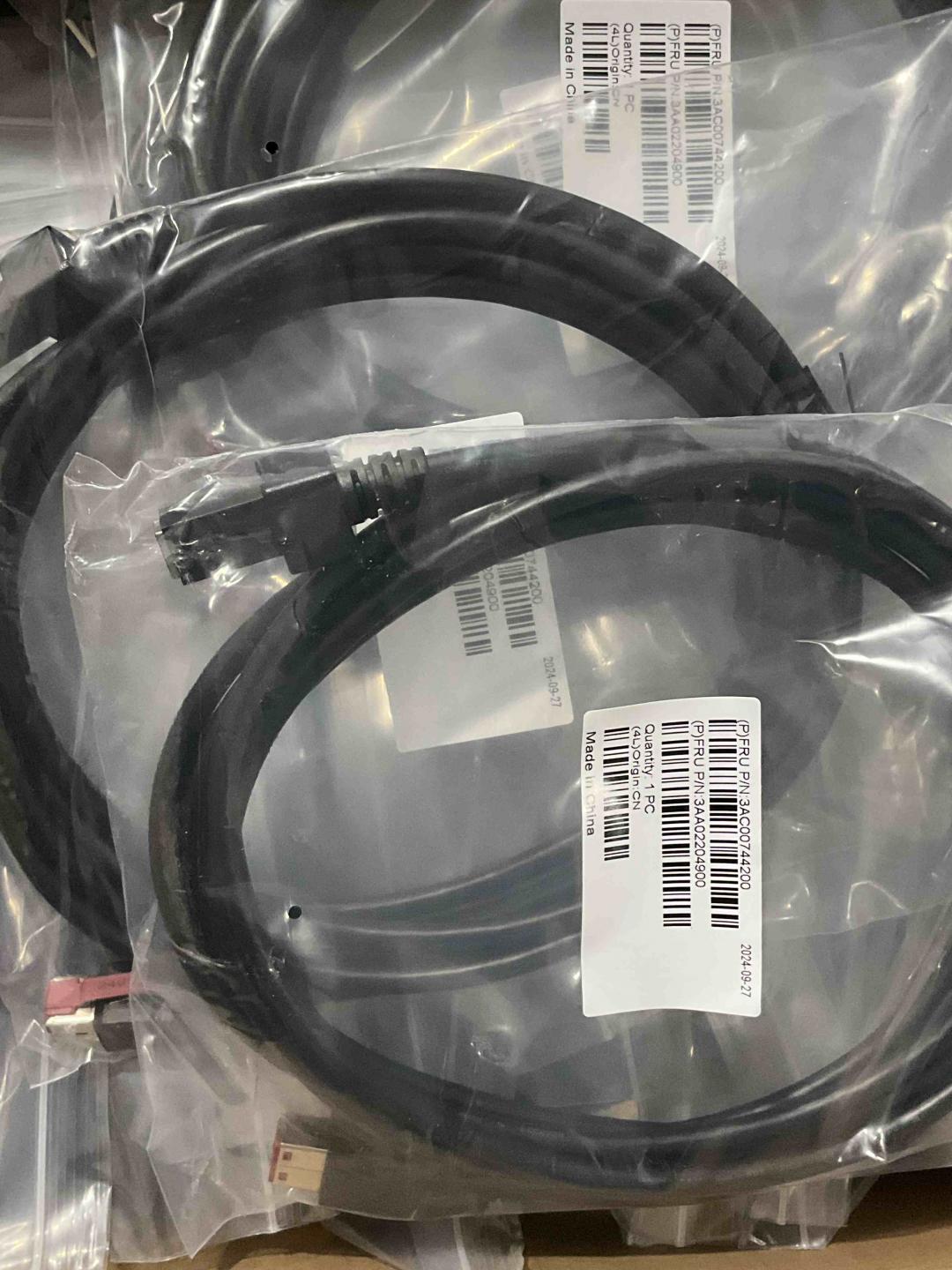
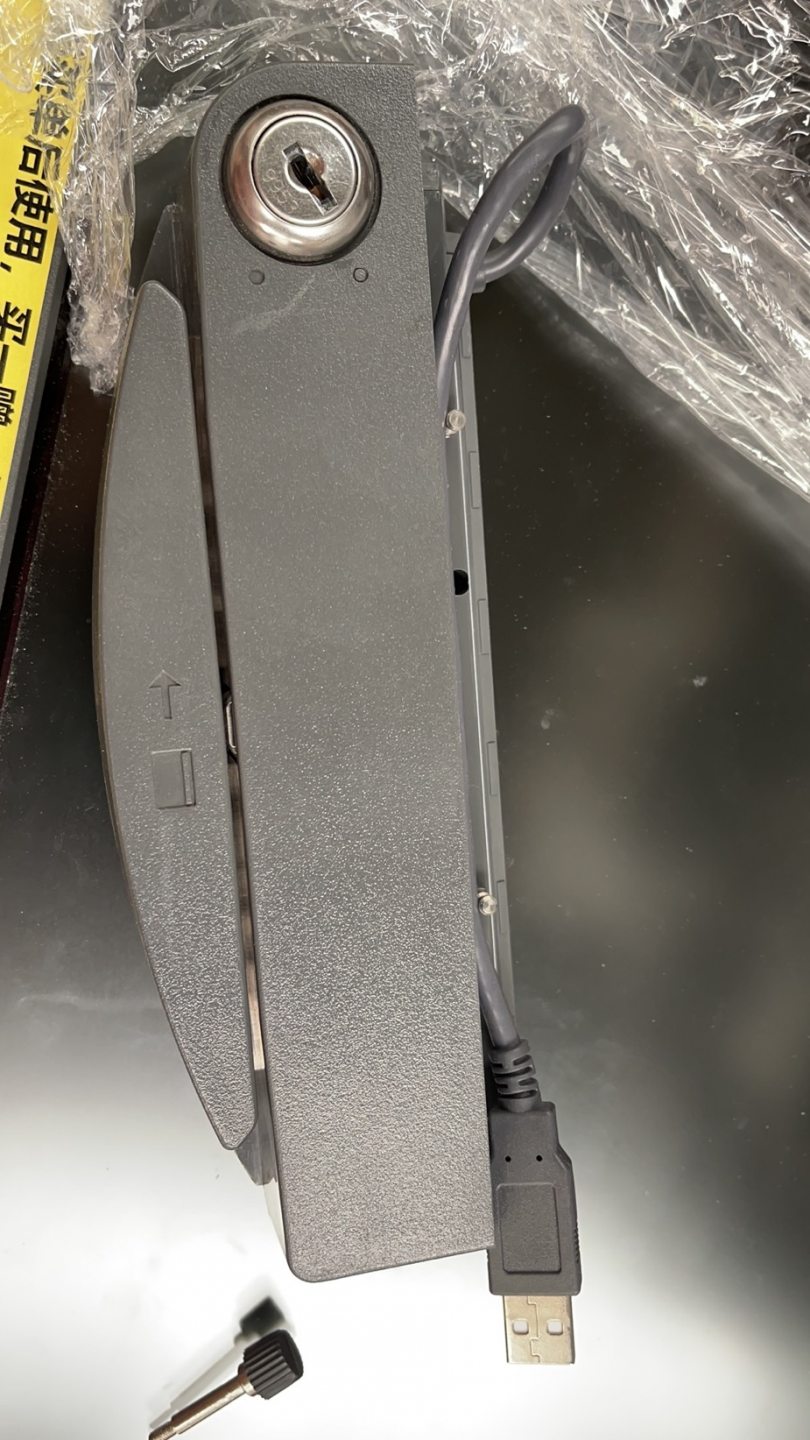
Browse scanners and reader parts in our card readers & scanners category, interface cables in cables & connectors, and complete tills in POS terminals. If an existing scanner has stopped reading, see our scanner troubleshooting guide; for how scanners connect to the POS, the interface & connectivity guide. Tell us what you scan and your POS, and we’ll recommend the right scanner.
Часто задаваемые вопросы
В чём разница между 1D-лазером и 2D-имиджером?
Нужен ли 2D-имиджер для сканирования экранов телефонов?
Ручной или презентационный (бесконтактный)?
Проводной или беспроводной — что лучше для POS?
Какие типы штрихкодов (символики) должен поддерживать сканер?
Что ещё важно, кроме типа сканирования и форм-фактора?
Источники и дополнительные материалы
- Barcode Scanner Buying Guide — Camcode
- Barcode Scanner Buying Guide — Wasp Barcode
- Handheld Barcode Scanner Guide: 1D vs 2D, Laser vs Imager, Wireless vs Wired — Syncotek
- Barcode Scanner Hardware Guide: Types, Integration & Tips — Tera Digital
Связанные руководства
Моноблочные против модульных POS-терминалов: что покупать (и как каждый влияет на ремонт)
Моноблок аккуратен и быстр в развёртывании; модульный гибок и дешевле в апгрейде и ремонте. Верный ответ зависит от размера, планов роста — и как вы хотите обрабатывать отказы.
Читать →Автоотрезчики чековых принтеров: гильотинный против ротационного, частичный против полного реза, и ресурс лезвия
Гильотинный или ротационный? Частичный или полный рез? Отрезчик — самая нагруженная движущаяся часть чекового принтера: правильный тип и режим держат кассу быстрой, а чеки опрятными.
Читать →Запчасти POS и банкоматов: OEM против неоригинала против восстановленных — как выбрать (не переплатив и не купив брак)
У оригинала OEM, качественного неоригинала и восстановленного — у каждого своя верная задача и неверная. Вот чем уровни реально различаются, когда выбирать каждый, и как проверить поставщика.
Читать →Связанные категории
Рекомендуемые запчасти

Нужны детали, упомянутые в этом руководстве?
Оригинальные OEM-детали и заводские аналоги для систем IBM, Toshiba, NCR, Diebold, Wincor и Hyosung — с доставкой по всему миру.