
POS-Mainboard-Ausfall: Kein Strom, kein POST, geblähte Kondensatoren — diagnostizieren vor dem Tausch
Ein Reparaturleitfaden für POS-Mainboard-Fehler — ein totes Board von einem toten Netzteil unterscheiden, die Sichtprüfung auf geblähte oder ausgelaufene Kondensatoren und Brandspuren, POST-Beep-Codes lesen, wann eine leere CMOS-Batterie der wahre Schuldige ist, und Reparatur (Recap) vs Tausch.
Die schnelle Erstdiagnose
“The motherboard is dead” is the most over-diagnosed fault in POS repair. A dead power supply, a flat coin battery, or unseated RAM all imitate a dead board — and they’re far cheaper to fix. Before you replace a mainboard, prove it’s actually the board. Triage in this order:
| Do this | What it rules in/out | |
|---|---|---|
| 1. Prove the power supply | A dead PSU mimics a dead board — clear it first | — |
| 2. Visual inspection (caps, burns) | Bulging caps / burn marks diagnose the board on sight | — |
| 3. Listen to POST beeps / LEDs | The beep code names what failed (often RAM) | — |
| 4. Reseat RAM, clear CMOS | Fixes many no-display and no-boot cases | — |
| 5. Decide: recap or replace | Isolated bad caps may be repairable; severe damage = replace | — |
Die Sichtprüfung
The fastest mainboard diagnosis is your eyes. Bad capacitors and physical damage have unmistakable signatures:
Scan the whole board for domed or leaking capacitors, scorch/burn marks, corrosion (often from spills or damp), and broken or melted connectors. Any one of these can cause random crashes, POST failures, or a board that won’t boot at all.
Das Symptom lesen
Match the symptom — but note how many overlap with cheaper parts, which is exactly why you isolate before condemning the board:
| Symptom | Board? Or check first… | |
|---|---|---|
| No power at all | Prove the PSU first — it mimics a dead board | — |
| Powers on, no display, beeps | Read the beep code — often reseatable RAM | — |
| Random crashes / freezes | Bad caps, but also RAM/overheating | — |
| Forgets time & BIOS settings | Flat CMOS coin battery, not the board | — |
| Dead USB ports / connectors | Board fault if power & drivers are fine | — |
| Burn marks / corrosion visible | Board — confirmed by inspection | — |
Schritt für Schritt: das Board eingrenzen
Work the sequence with the unit powered off between steps. Each step proves a cheaper part good (or bad) before the board takes the blame:
- 1
Prove the power supply
Confirm the PSU outputs its rated voltage, or swap a known-good supply. If power restores it, you’re done — it was the supply, not the board. - 2
Inspect visually
Look for bulging/leaking caps, burn marks, corrosion and broken connectors. Visible damage is often the whole diagnosis. - 3
Read POST beeps / diagnostic LEDs
A beep code or POST card hex code names the failed subsystem — three short beeps is commonly RAM on AMI BIOS. Act on the code. - 4
Reseat RAM and clear CMOS
Reseat memory and clear CMOS (jumper, or pull the coin cell briefly). This revives many no-display and no-boot boards. - 5
Minimal config test
Strip to CPU + one RAM stick + essentials. If it still won’t POST with power proven and RAM reseated, the board is the fault.
Wenn es nur die CMOS-Batterie ist
One symptom is so commonly mistaken for a dying board that it deserves its own note: losing the time and settings.
| After a fresh CR2032… | Conclusion | |
|---|---|---|
| Keeps time and settings normally | It was just the battery — done | — |
| Still loses config, random resets | Suspect the board (CMOS circuitry/caps) | — |
Reparatur (Recap) vs Tausch
When the board really is at fault, the choice is repair or replace. Match it to the damage and your capability:
| Situation | Best route | |
|---|---|---|
| Isolated bulging caps, you can solder | Recap — economical for an otherwise-good board | — |
| Legacy board, hard to source | Recap or a refurbished board | — |
| Burnt traces / multiple failed sections | Replace the board | — |
| Mission-critical lane, downtime costly | Tested replacement board, fastest return to service | — |
Browse boards in our mainboards category, related components in terminal repair parts, and supplies in power supplies. If the terminal simply won’t boot, start with the broader won’t-boot guide; to clear the power supply first, the power-supply diagnosis guide; and for choosing genuine vs aftermarket vs refurbished, our parts-tier guide. Send us the board model or terminal and we’ll match a tested replacement.
Häufig gestellte Fragen
Wie unterscheide ich Mainboard von Netzteil?
Was bedeuten geblähte oder ausgelaufene Kondensatoren?
Das POS schaltet ein, zeigt nichts und piept — was heißt das?
Mein POS vergisst Zeit und BIOS-Einstellungen — stirbt das Mainboard?
Welche anderen Symptome deuten auf ein schlechtes Mainboard?
Board reparieren oder ersetzen?
Quellen & weiterführende Literatur
Verwandte Anleitungen
Kassenschublade verkabeln & anschließen: RJ11/RJ12 Drawer-Kick, druckergesteuert vs USB, und der 12–24V-Impuls
Eine POS-Kassenschublade steckt nicht in der Kasse — sie wird von einem 12–24V-Impuls des Belegdruckers über ein RJ11/RJ12-Kabel aufgestoßen. Schnittstelle, Pins und Spannung richtig, dann funktioniert es.
Anleitung lesen →Lauter oder ausfallender POS-Lüfter? Lager diagnostizieren, reinigen und einen Ersatz treffen
Ein schleifender oder pfeifender POS-Lüfter ist meist Staub oder ein verschlissenes Lager — ignoriert führt es zu Überhitzung und Abschaltungen. So finden Sie den lauten Lüfter, entscheiden reinigen-oder-tauschen und treffen den richtigen.
Anleitung lesen →Beleg druckt blass, dunkel, unvollständig oder streifig? Thermo-Druckqualität beheben (Beginnen Sie mit dem Selbsttest)
Blasse, streifige oder einseitige Belege gehen fast immer auf einen schmutzigen Kopf, falsches Papier oder eine Dichteeinstellung zurück — nicht auf einen toten Drucker. Ein Selbsttest-Druck zeigt, ob die Lösung Software oder Hardware ist.
Anleitung lesen →Verwandte Kategorien
Empfohlene Ersatzteile
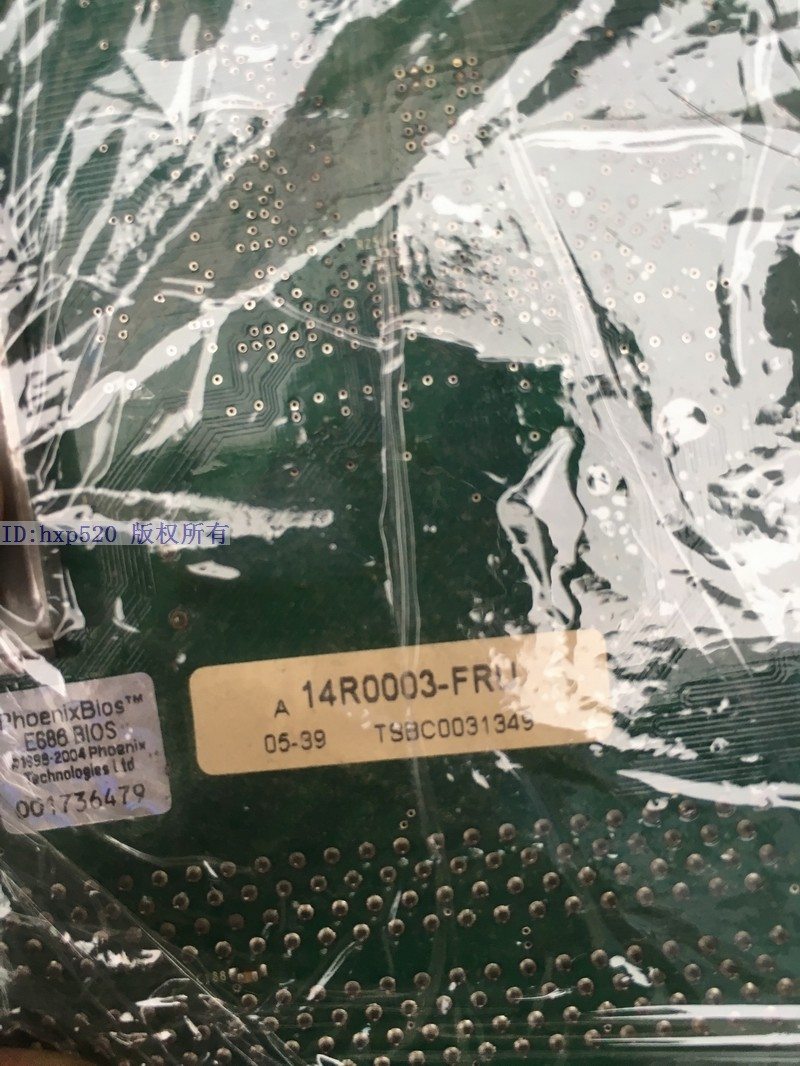
%20Sparta%20Riser%20Card/120c399634d85265f7a7595a979407ee_c48b4b186f0a2eea2b86d0d5a86c219e_s-l1600.jpg)
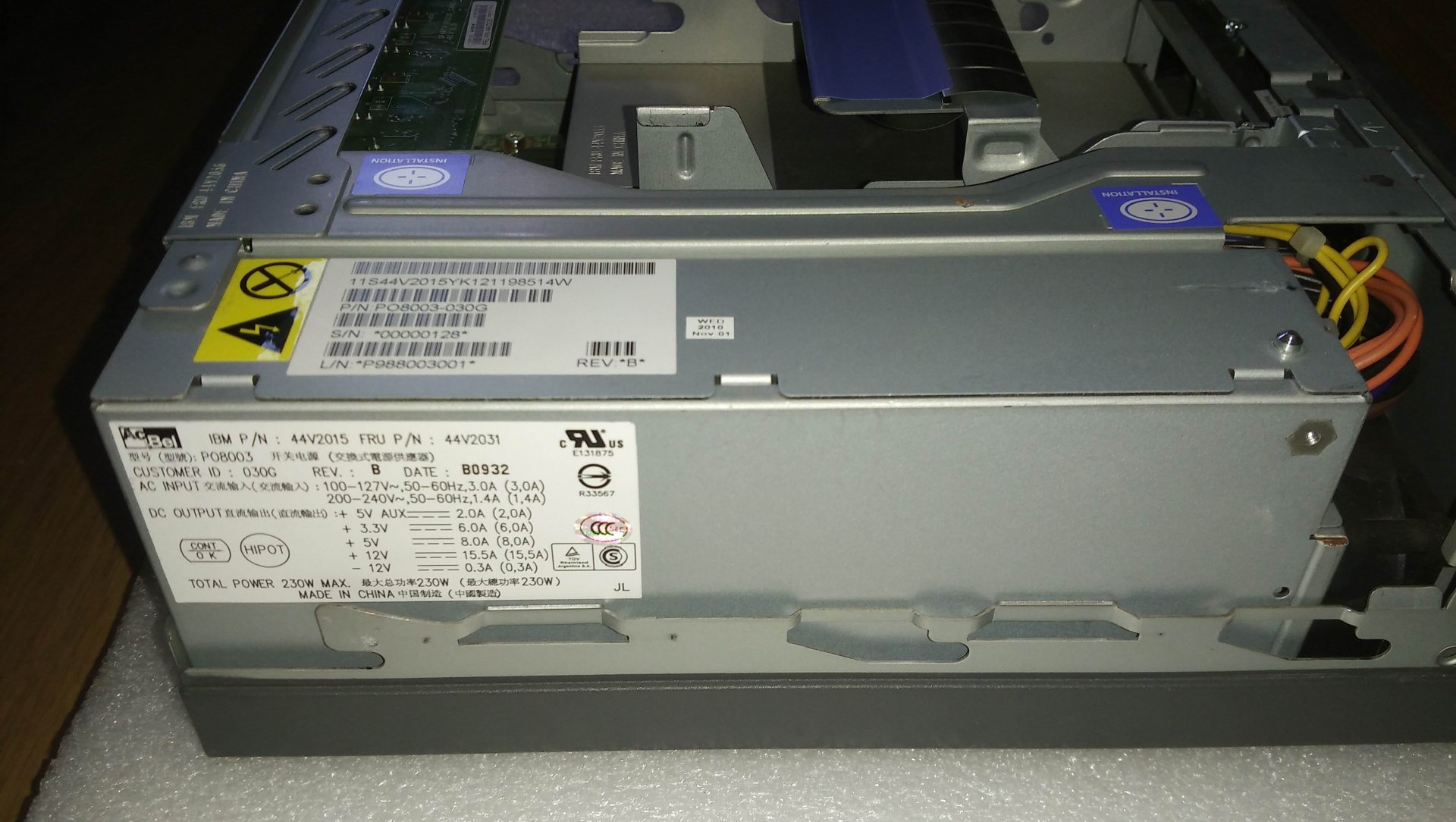
Benötigen Sie die in dieser Anleitung erwähnten Teile?
Originale OEM- und werksgeprüfte Aftermarket-Teile für IBM, Toshiba, NCR, Diebold, Wincor und Hyosung Systeme — mit weltweitem Versand.