
Beleg druckt blass, dunkel, unvollständig oder streifig? Thermo-Druckqualität beheben (Beginnen Sie mit dem Selbsttest)
Ein Reparaturleitfaden für Thermo-Belegdruckqualitätsfehler — blasse oder helle Drucke, vertikale weiße Linien, einseitiger/unvollständiger Druck und zu dunkle Ausgabe. Nutzen Sie den Selbsttest, um Software von Hardware zu trennen, Kopf und Walze zu reinigen, die Druckdichte einzustellen, und zu erkennen, wann der Druckkopf verschlissen ist.
Die schnelle Erstdiagnose
Faint, streaked, one-sided or over-dark receipts look like a failing printer, but the cause is almost always a dirty head, the wrong paper, or a density setting — all cheap to fix. The single most useful move is to print a self-test: it tells you instantly whether the problem is in software or in hardware. Triage in this order:
| Do this | What it tells you | |
|---|---|---|
| 1. Print a self-test | Self-test crisp but POS faint = software density | — |
| 2. Clean head + platen (alcohol, power off) | Removes residue that insulates the head | — |
| 3. Check paper side & grade | Wrong side / low-sensitivity stock prints faint | — |
| 4. Raise density, lower speed a touch | Darkens output cleanly | — |
| 5. Replace worn head or platen | When a sharp white line or fade survives cleaning | — |
Was eine Thermomarke dunkel macht
A thermal mark is just heat applied to coated paper — so darkness depends on a short chain of factors. When a receipt prints faint, one of these links is weak:
Das Druckqualitäts-Symptom lesen
Match the exact print-quality symptom to point at the cause:
| Symptom | Most likely cause | |
|---|---|---|
| Faint / light all over | Dirty head/platen, low density, or wrong paper | — |
| Vertical white line down the page | Debris on head or uneven platen; if it survives cleaning, a burned-out dot row | — |
| Strong one edge, fades across width | Uneven head-to-platen pressure; worn platen roller | — |
| Blank / nothing prints | Paper loaded upside-down (non-thermal side up) | — |
| Too dark, smudged, bleeding | Density too high / speed too low / over-sensitive paper | — |
| Dead block of dots | Printhead damage — replace the head | — |
Der Selbsttest: Software vs Hardware
Because it routes the entire repair, the self-test deserves its own step. Read the result like this:
| Self-test result | Meaning | Where to fix | |
|---|---|---|---|
| Crisp & dark; POS receipts faint | Hardware fine | Raise print darkness/density in driver or POS | — |
| Faint or light | Hardware / consumable | Clean head & platen; check paper; then parts | — |
| Vertical white line | Head contact or dot row | Clean; if it persists, replace head | — |
| One-sided fade | Pressure / platen | Reseat head; inspect/replace platen roller | — |
Schritt für Schritt: Druckqualität wiederherstellen
Work the sequence in order — each step is cheaper and more likely than the next:
- 1
Print the self-test
Hold Feed while powering on. A crisp self-test points you at software density; a faint one points at hardware/consumables. - 2
Clean the head and platen
Power off, then wipe the thermal head and the platen roller with isopropyl alcohol on a lint-free swab. Residue insulating the head is the No. 1 cause of faint print.Caution: Always power off before touching the head; let it dry fully before printing. - 3
Confirm the paper
Make sure the thermal (coated) side faces the head and the stock matches the printer. A roll loaded upside-down prints nothing; low-sensitivity paper prints faint. - 4
Tune density and speed
Raise the print-density/darkness value and reduce speed slightly for darker, solid text. For smudging, do the opposite — lower density, raise speed. - 5
Replace the worn part
If a sharp white line, dead dot block, or fade survives all of the above, replace the printhead (or the platen roller for one-sided fade).
Wenn ein Teil verschlissen ist
When cleaning and settings can’t cure it, the part has worn. Match the replacement to your printer:
| Part | Symptom that points to it | |
|---|---|---|
| Thermal printhead | Sharp white line or dead dot block that survives cleaning | — |
| Platen roller | One-sided fade, uneven pressure, flats on the roller | — |
| Thermal paper (right grade) | Faint everywhere despite a clean head and high density | — |
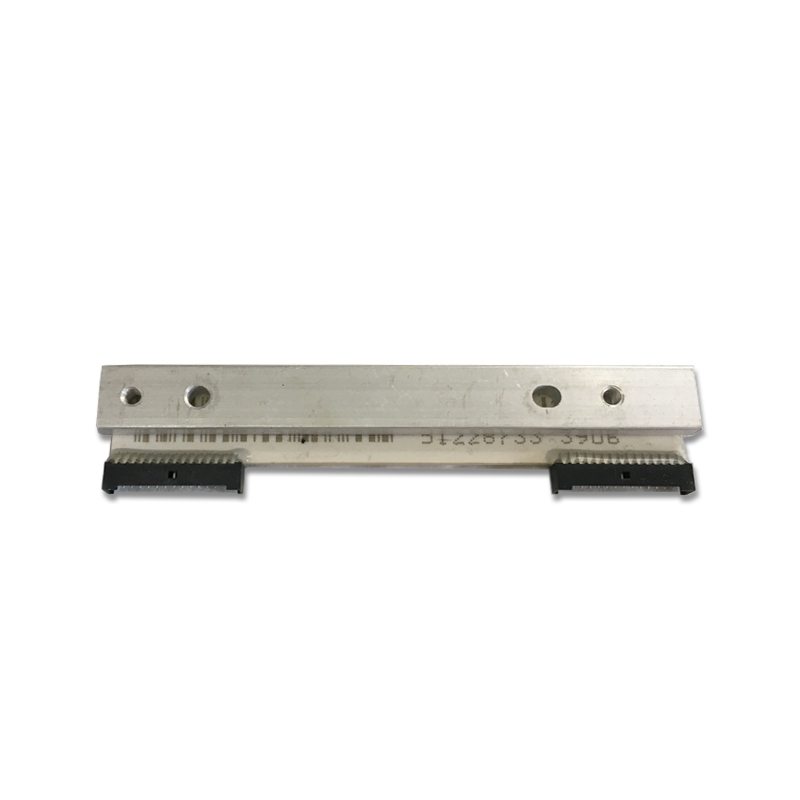
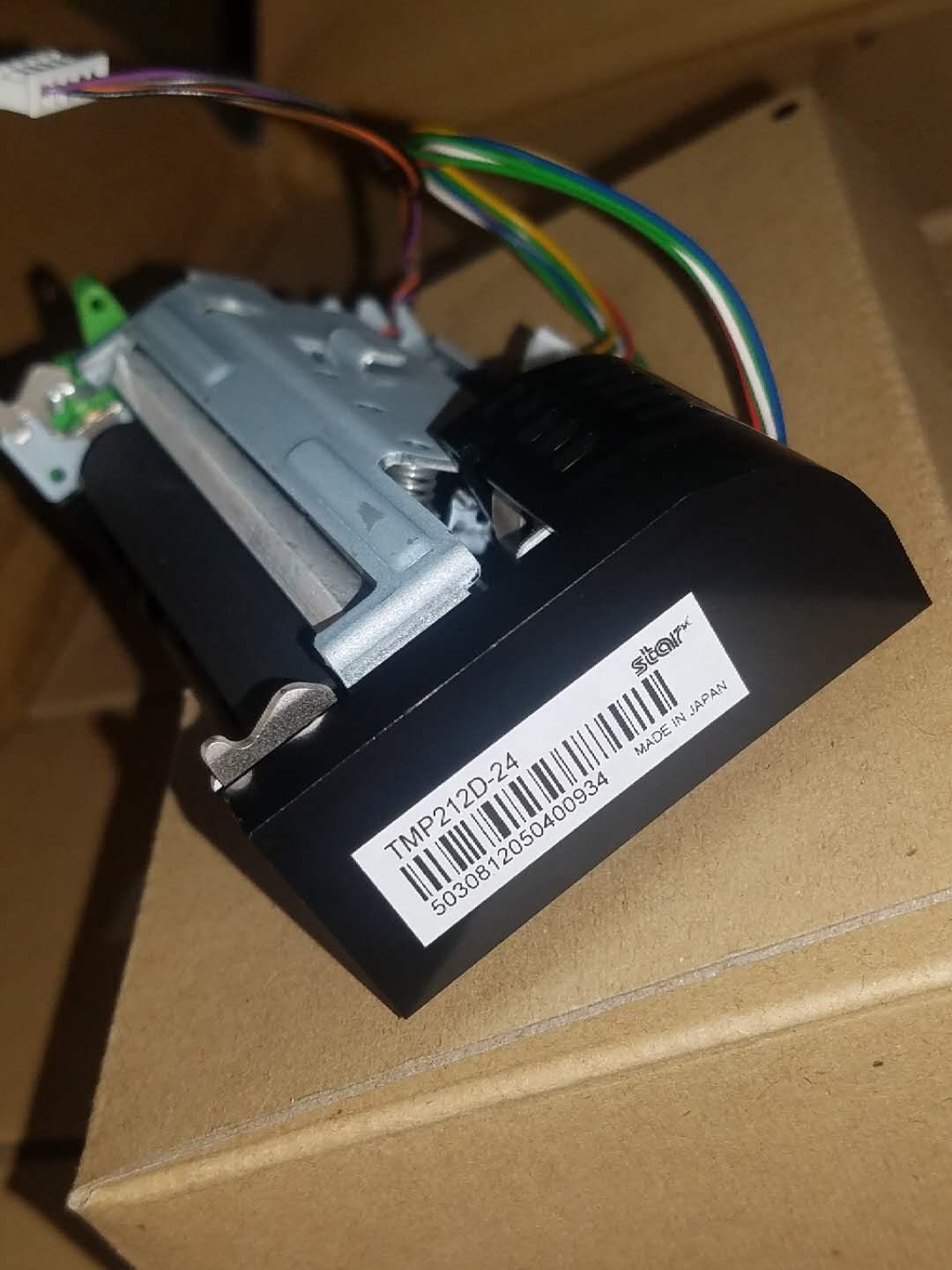
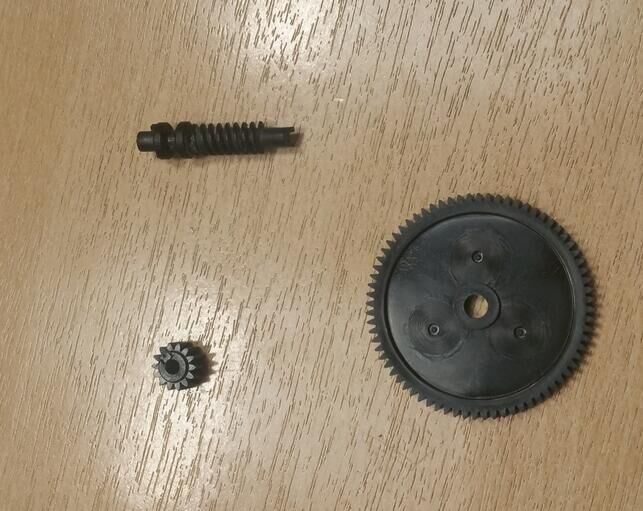
Browse replacements in our thermal print heads category, rollers & cutter parts, and full units in POS printers. For printhead replacement steps see our printhead replacement guide and to make heads last, our printhead lifespan guide. If the printer won’t print at all or has feed/connection faults, start with the general receipt-printer troubleshooting guide. Send us your printer model and a photo of the self-test and we’ll match the right head or roller.
Häufig gestellte Fragen
Warum druckt mein Thermo-Belegdrucker blass oder hell?
Was sagt mir der Selbsttest?
Was verursacht vertikale weiße Linien auf dem Beleg?
Nur eine Belegseite druckt oder verblasst über die Breite — warum?
Meine Belege drucken zu dunkel oder verschmieren — wie beheben?
Woran erkenne ich einen verschlissenen statt nur schmutzigen Druckkopf?
Quellen & weiterführende Literatur
Verwandte Anleitungen
Kassenschublade verkabeln & anschließen: RJ11/RJ12 Drawer-Kick, druckergesteuert vs USB, und der 12–24V-Impuls
Eine POS-Kassenschublade steckt nicht in der Kasse — sie wird von einem 12–24V-Impuls des Belegdruckers über ein RJ11/RJ12-Kabel aufgestoßen. Schnittstelle, Pins und Spannung richtig, dann funktioniert es.
Anleitung lesen →Lauter oder ausfallender POS-Lüfter? Lager diagnostizieren, reinigen und einen Ersatz treffen
Ein schleifender oder pfeifender POS-Lüfter ist meist Staub oder ein verschlissenes Lager — ignoriert führt es zu Überhitzung und Abschaltungen. So finden Sie den lauten Lüfter, entscheiden reinigen-oder-tauschen und treffen den richtigen.
Anleitung lesen →POS-Mainboard-Ausfall: Kein Strom, kein POST, geblähte Kondensatoren — diagnostizieren vor dem Tausch
Bevor Sie ein POS-Mainboard verurteilen, beweisen Sie, dass es das Board ist und nicht Netzteil, RAM oder eine leere Knopfzelle. Eine Zwei-Minuten-Sichtprüfung plus die POST-Beeps sagt es meist — hier die Methode.
Anleitung lesen →Verwandte Kategorien
Empfohlene Ersatzteile
Benötigen Sie die in dieser Anleitung erwähnten Teile?
Originale OEM- und werksgeprüfte Aftermarket-Teile für IBM, Toshiba, NCR, Diebold, Wincor und Hyosung Systeme — mit weltweitem Versand.