
POS-Terminal offline oder ohne Verbindung? Netzwerk-Fehlersuche vom Link-Light bis zum Prozessor
Ein Praxisleitfaden für ein POS-Terminal, das offline ist oder keine Verbindung aufbaut — die Verbindungskette von Terminal über Switch und ISP bis zum Prozessor, Link-Light- und IP-Prüfungen, eine Reboot-in-Reihenfolge-Routine, lokale vs. Internet- vs. Prozessor-Fehler eingrenzen, und WLAN vs. Kabel.
Die schnelle Erstdiagnose
An “offline” POS panics a busy counter, but the fault is rarely the terminal itself — it’s one broken link in a chain that runs from the terminal, through your switch and router, out to the internet, and on to the payment processor. Find the broken link by working outward:
| Check | What it tells you | |
|---|---|---|
| 1. Link lights at terminal & switch | No light = cable or port — a physical break | — |
| 2. Terminal has a valid IP | No/odd IP = DHCP, conflict or config | — |
| 3. Another device on the LAN online? | Others offline too = router/modem/ISP | — |
| 4. Internet works but cards fail | Processor/gateway or a blocked port | — |
| 5. Reboot in order; isolate; escalate | Confirms the link and who to call | — |
Die Verbindungskette (wo sie bricht)
A card transaction crosses five links. Knowing the chain tells you which links a symptom rules in or out:
- Terminal ↔ switch: cable, port, link light, the terminal’s NIC/interface card.
- Switch/router/modem: local network, IP addressing, the device being up.
- Internet/ISP: your line — affects every device, not just the POS.
- Processor/gateway: the payment back-end — internet works but cards still fail.
Das Symptom lesen
Match the symptom to narrow which link to check first:
| Symptom | Most likely link | |
|---|---|---|
| No link light at the terminal | Cable / port / NIC — physical | — |
| Terminal has no/odd IP (169.254.x.x) | DHCP not reachable, or IP conflict | — |
| Whole site has no internet | Modem/router or ISP outage | — |
| Only the POS is offline, others fine | Terminal config, or processor/gateway | — |
| Internet OK but cards decline/timeout | Processor/gateway, or a blocked firewall port | — |
| Drops offline intermittently (Wi-Fi) | Signal/interference — consider wired | — |
Schritt für Schritt: das defekte Glied eingrenzen
Work the sequence in order. Each step proves one link good so you stop guessing:
- 1
Check the physical link
Confirm the cable is seated and the link lights are on at both the terminal and the switch/router. Reseat or swap the cable; try another switch port. No light = stop here and fix the physical layer. - 2
Reboot in order
Power-cycle from the internet inward: modem → (sync) → router → switch → POS terminal. This gives each device a fresh address from the one upstream. - 3
Check the terminal's IP
Confirm a valid IP, gateway and DNS (not a 169.254 self-assigned address). For a fixed terminal, a static IP or DHCP reservation avoids address churn. - 4
Test internet from another device
Put a phone or PC on the same network. If it has no internet, the fault is router/modem/ISP. If it’s fine, the fault is the POS or the processor. - 5
Isolate the processor / ports
Internet works but cards still fail? Check the processor/gateway status, and that the firewall allows your processor’s required ports/addresses. Then call the processor if needed.Caution: Don't reconfigure firewall rules blindly — confirm the exact ports/addresses your processor documents.
WLAN vs. Kabel für ein POS
How a terminal connects shapes how often it drops. For a fixed till, wired wins; Wi-Fi is for mobility:
| Wired Ethernet | Wi-Fi | |
|---|---|---|
| Reliability | High, steady | Variable (signal, congestion) |
| Latency for card auth | Low, consistent | Higher, more jitter |
| Interference / dead spots | None | Possible |
| Best for | Fixed tills, ATMs | Tablet / mobile POS |
| Intermittent-offline fix | — | Often: move to wired |
Teile, und wann es nicht Ihr Netzwerk ist
Most network faults are config or the cable, not a part — but when hardware is the cause, here’s what to check and source:
| Item | Note | |
|---|---|---|
| Network cable | Swap-test first; the cheapest and most common fault | — |
| Terminal NIC / interface card | Confirm with a known-good cable/port before replacing | — |
| Switch / router port | Try a different port; a dead port mimics a dead NIC | — |
| Processor / ISP (not a part) | Internet-OK-but-cards-fail = call them, don't swap parts | — |
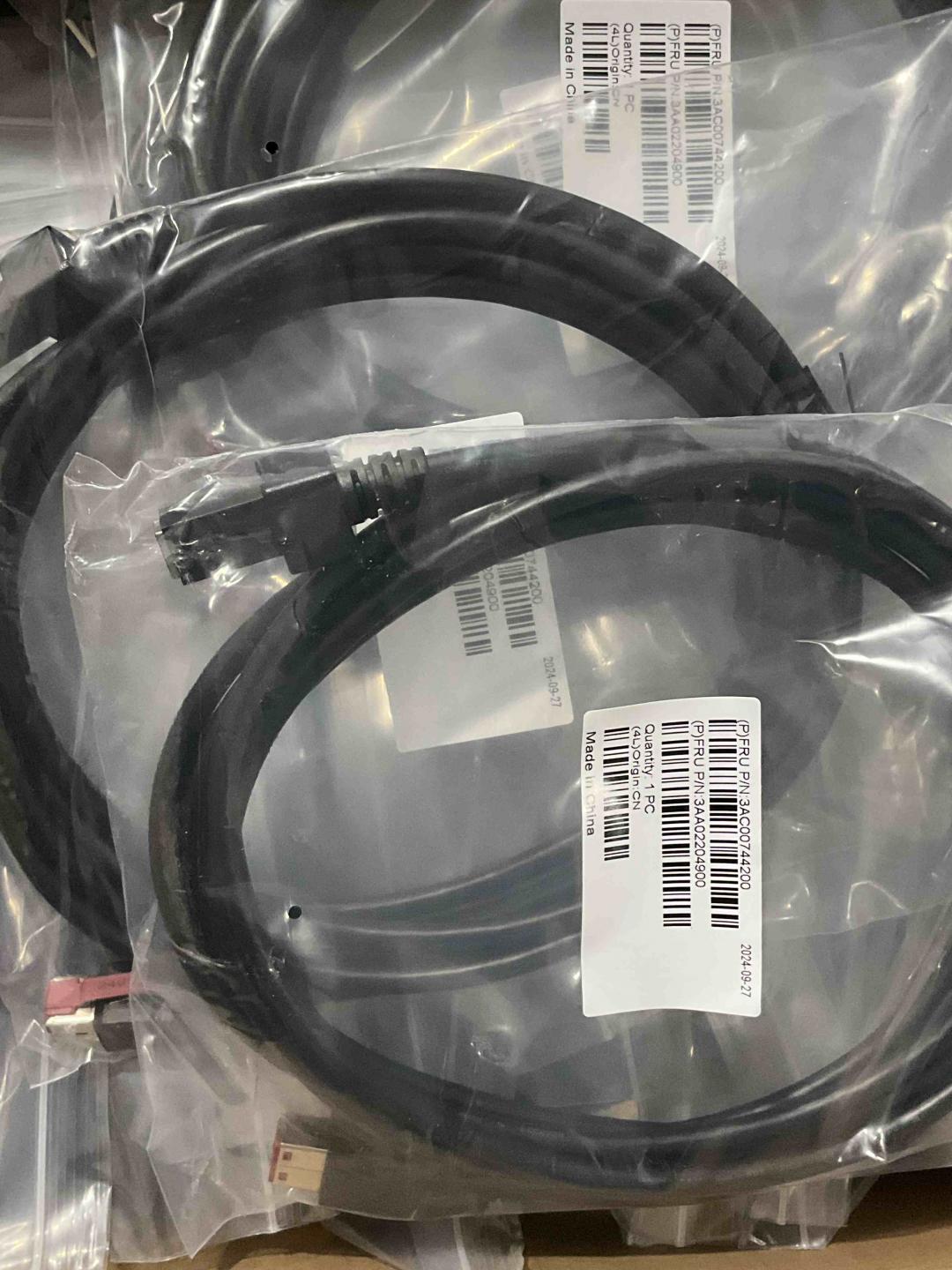
Browse network and interface parts in our interface cards and cables & connectors categories, and boards in mainboards. If the printer (not the terminal) is the thing that won’t connect, see our printer interface & connectivity guide; if the terminal won’t boot at all, the won’t-boot guide. Tell us your terminal model and we’ll match the right interface card or cable.
Häufig gestellte Fragen
Mein POS sagt offline — wo fange ich an?
Wie erkenne ich, ob mein Netzwerk oder der Zahlungsabwickler ausgefallen ist?
Was ist die richtige Reihenfolge zum Neustarten?
Sollte mein POS eine statische IP oder DHCP nutzen?
Ist WLAN oder kabelgebundenes Ethernet für ein POS besser?
Könnte eine Firewall oder die Netzwerkkarte des Terminals das Problem sein?
Quellen & weiterführende Literatur
- Troubleshoot a POS that's offline / network issues — Square
- Network & Connectivity Troubleshooting for POS — Lightspeed Retail
- Troubleshoot Network Connectivity (basics) — Cisco
- Static IP vs DHCP — which to use — TP-Link
- Wired vs Wireless for Business Devices — Intel
Verwandte Anleitungen
Kassenschublade verkabeln & anschließen: RJ11/RJ12 Drawer-Kick, druckergesteuert vs USB, und der 12–24V-Impuls
Eine POS-Kassenschublade steckt nicht in der Kasse — sie wird von einem 12–24V-Impuls des Belegdruckers über ein RJ11/RJ12-Kabel aufgestoßen. Schnittstelle, Pins und Spannung richtig, dann funktioniert es.
Anleitung lesen →Lauter oder ausfallender POS-Lüfter? Lager diagnostizieren, reinigen und einen Ersatz treffen
Ein schleifender oder pfeifender POS-Lüfter ist meist Staub oder ein verschlissenes Lager — ignoriert führt es zu Überhitzung und Abschaltungen. So finden Sie den lauten Lüfter, entscheiden reinigen-oder-tauschen und treffen den richtigen.
Anleitung lesen →Beleg druckt blass, dunkel, unvollständig oder streifig? Thermo-Druckqualität beheben (Beginnen Sie mit dem Selbsttest)
Blasse, streifige oder einseitige Belege gehen fast immer auf einen schmutzigen Kopf, falsches Papier oder eine Dichteeinstellung zurück — nicht auf einen toten Drucker. Ein Selbsttest-Druck zeigt, ob die Lösung Software oder Hardware ist.
Anleitung lesen →Verwandte Kategorien
Empfohlene Ersatzteile
%20Sparta%20Riser%20Card/120c399634d85265f7a7595a979407ee_c48b4b186f0a2eea2b86d0d5a86c219e_s-l1600.jpg)
Benötigen Sie die in dieser Anleitung erwähnten Teile?
Originale OEM- und werksgeprüfte Aftermarket-Teile für IBM, Toshiba, NCR, Diebold, Wincor und Hyosung Systeme — mit weltweitem Versand.