
¿El cajón portamonedas no abre? La guía completa de diagnóstico, cableado y voltaje (RJ11/RJ12)
Por qué un cajón POS no abre — desde una impresora en error de sin papel hasta un solenoide con voltaje incorrecto. Incluye pinout del puerto DK RJ11/RJ12, 12V vs 24V, prueba del solenoide con multímetro, apertura manual y elección de un cajón compatible.
El triaje en 60 segundos
A cash drawer that won’t pop feels like a hardware failure, but it almost never is. In the field, the overwhelming majority of dead-drawer calls trace back to three things: the receipt printer is in an error state (usually out of paper), the RJ11/RJ12 cable has worked loose, or someone connected a drawer whose voltage doesn’t match the printer’s port. Run this quick triage before opening anything:
| Check | What you're confirming | |
|---|---|---|
| 1. Is the printer printing? | A printer out of paper or in error won't send the kick pulse | — |
| 2. Reseat the RJ cable both ends | A half-seated DK cable is the #1 intermittent cause | — |
| 3. Voltage match (12V vs 24V) | Wrong voltage = drawer won't fire, or solenoid slowly cooks | — |
| 4. Software sends the kick? | Driver/POS must issue the drawer-kick command on the right event | — |
| 5. Mechanical jam or lock | Coins under the till, or the key-lock is simply turned off | — |
Cómo abre realmente un cajón portamonedas
Understanding the open cycle tells you exactly where to look. There are two ways a drawer is wired, and they fail differently:
- Printer-driven (the common setup). The drawer plugs into the receipt printer’s DK (drawer-kick) port with an RJ11/RJ12 cable. When the POS tells the printer to open the drawer, the printer sends a short voltage pulse down the cable that energises the drawer’s solenoid. The solenoid throws a latch, and a spring shoots the till open.
- Directly connected. Some drawers connect to the POS via USB or serial instead of through the printer. Here the kick command goes straight from the computer, so a printer error won’t affect the drawer — but a driver problem will.
Pinout del puerto DK RJ11/RJ12 y 12V vs 24V
POS cash drawers use a 6-pin RJ12 (6P6C) connector — it looks like a fat telephone plug — into the printer’s DK port. The widely used Epson-standard pinout is below. Knowing it lets you confirm a cable with a multimeter and understand why one printer can drive two drawers.
| Function | Notes | |
|---|---|---|
| Pin 1 | Frame ground | — |
| Pin 2 | Drawer-kick drive signal 1 (drawer #1) | — |
| Pin 3 | Drawer open/closed sensor | — |
| Pin 4 | Drive voltage (+24V or +12V) | — |
| Pin 5 | Drawer-kick drive signal 2 (drawer #2) | — |
| Pin 6 | Signal ground | — |
A few drawers use a 4-pin RJ11 or a vendor-specific pinout (notably some Star and APG variants). If a known-good Epson-pinout cable doesn’t fire the drawer, suspect a pinout mismatch before condemning the solenoid — the wrong cable is far cheaper to fix than the wrong diagnosis.
Diagnóstico paso a paso
Work top to bottom. Each step rules out a whole class of cause, so you isolate the fault without guesswork or wasted parts.
- 1
Confirm the printer is healthy
Reload paper, clear any error light, and print a test receipt. A printer that can’t print won’t kick the drawer. This alone resolves a large share of calls. - 2
Reseat the RJ cable at both ends
Unplug and firmly re-click the cable at the printer’s DK port and at the drawer. Listen for the click. A cable yanked taut every time the drawer opens works loose over time — secure a slack loop under the counter.Caution: Plug into the printer's DK port — not a LAN or phone port. They look similar and an RJ12 fits an RJ45 socket loosely. - 3
Fire a no-sale / test kick
Trigger a no-sale or the printer’s self-test drawer kick. If it opens, the hardware is fine and the fault is in how your POS software issues the kick command — move to step 4. If nothing happens, continue to step 5. - 4
Check the software/driver mapping
Confirm the POS or printer driver is set to send the drawer-kick command (the ESC/POSESC ppulse) on cash payment or no-sale, and to the correct drawer pin (pin 2 vs pin 5 for dual drawers). - 5
Test the solenoid with a multimeter
Unplug the drawer and measure resistance across the solenoid coil. A healthy coil reads a low non-zero value (a few to a few tens of ohms). 0 Ω means shorted; OL / infinite means open — both mean replace the solenoid. - 6
Rule out a mechanical jam
If the solenoid is good, open the till with the key and check for coins, notes or debris fouling the rails or latch. Clean it out, confirm the key-lock is in the operating position, and test again.
Atascos mecánicos, cerraduras y apertura manual
Not every stuck drawer is electrical. When the kick fires but the till doesn’t slide — or you just need it open now — work the mechanical side:
| Symptom | Cause & fix | |
|---|---|---|
| Solenoid clicks, till doesn't move | Jam or weak spring — clear debris under the till; replace spring if slack | — |
| Drawer won't open by key either | Coins jammed in the rail or a bent slide — open carefully, clean, realign | — |
| Opens but won't latch shut | Worn latch or catch — replace the latch assembly | — |
| No response at all, key works | Electrical fault upstream — return to the diagnosis steps | — |
| Locked and no key | Use the underside manual-release lever/slot; order a replacement lock + keys | — |
Elegir cajón, cable y solenoide compatibles
When you do need a replacement drawer, cable, lock or solenoid, three specs decide compatibility. Get these right and the new part is a plug-and-play swap:
| Spec | How to choose | |
|---|---|---|
| Interface | Printer-driven (RJ11/RJ12) for most setups; USB/serial if connecting direct to the POS | — |
| Solenoid voltage | Match the printer DK port — 24V for most Epson/Star, 12V for some older systems | — |
| Cable pinout | Epson-standard 6P6C suits most; confirm Star/APG variants separately | — |
| Footprint & media slots | Bill/coin tray layout and till width to fit your counter and currency | — |
| Lock & keys | Keyed-alike across lanes if staff share keys; order spare keys upfront | — |
Browse compatible drawers, solenoids, locks and springs in our cash drawer & parts category, and matching DK cables in cables & connectors. If the root cause turns out to be the printer’s DK port rather than the drawer, our receipt printer troubleshooting guide covers diagnosing the printer side. Send us your printer and drawer model numbers and we’ll confirm the right cable and voltage before you buy.
Preguntas frecuentes
Mi cajón dejó de abrir y no cambié nada — ¿por dónde empiezo?
¿Importa si mi cajón es de 12V o 24V?
¿Cuál es el pinout del cable RJ11/RJ12 del cajón?
¿Cómo pruebo si el solenoide está quemado?
El cajón abre desde el POS pero no cuando espero — ¿puede ser el software?
Mi cajón no abre eléctricamente — ¿cómo lo abro ahora?
Fuentes y lecturas complementarias
- Cash Drawer Won't Open? Top POS Problems & Fixes — TCANG
- Cash Drawer Cannot Open Automatically — Causes and Fixes — Sunany
- Cash Drawer Setup and Guidance (RJ-cable and voltage notes) — Acode
- Cash Drawer Troubleshooting (physical & internal) — Toast
- TM-T88VI User's Manual (drawer-kick / DK connector specification) — Epson
Guías relacionadas
Cableado y conexión del cajón de dinero: drawer-kick RJ11/RJ12, accionado por impresora vs USB, y el pulso de 12–24V
Un cajón de dinero POS no se enchufa a la caja — lo abre un pulso de 12–24V de la impresora de recibos por un cable RJ11/RJ12. Interfaz, pines y voltaje correctos, y funciona.
Leer guía →¿Ventilador POS ruidoso o fallando? Diagnostica el rodamiento, límpialo y elige un reemplazo
Un ventilador POS que rechina o silba suele ser polvo o un rodamiento gastado — ignorado, lleva a sobrecalentamiento y apagones. Aquí está cómo hallar el ventilador ruidoso, decidir limpiar-o-reemplazar, y elegir el correcto.
Leer guía →¿El recibo imprime tenue, oscuro, parcial o con rayas? Solución de calidad de impresión térmica (empieza por el autotest)
Recibos tenues, con rayas o de un lado casi siempre se deben a un cabezal sucio, al papel equivocado o a un ajuste de densidad — no a una impresora muerta. Un autotest dice si la solución es software o hardware.
Leer guía →Categorías relacionadas
Repuestos destacados
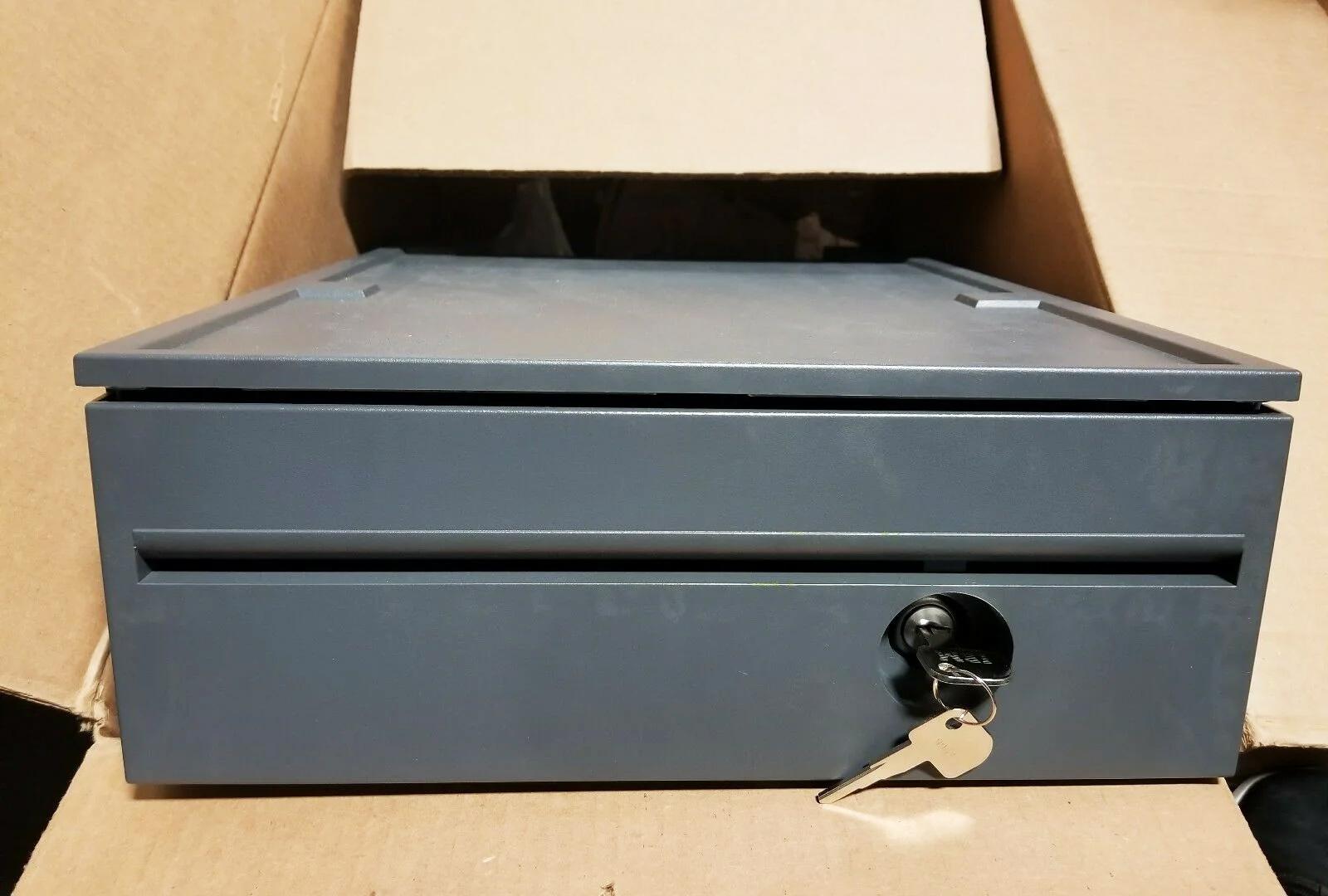
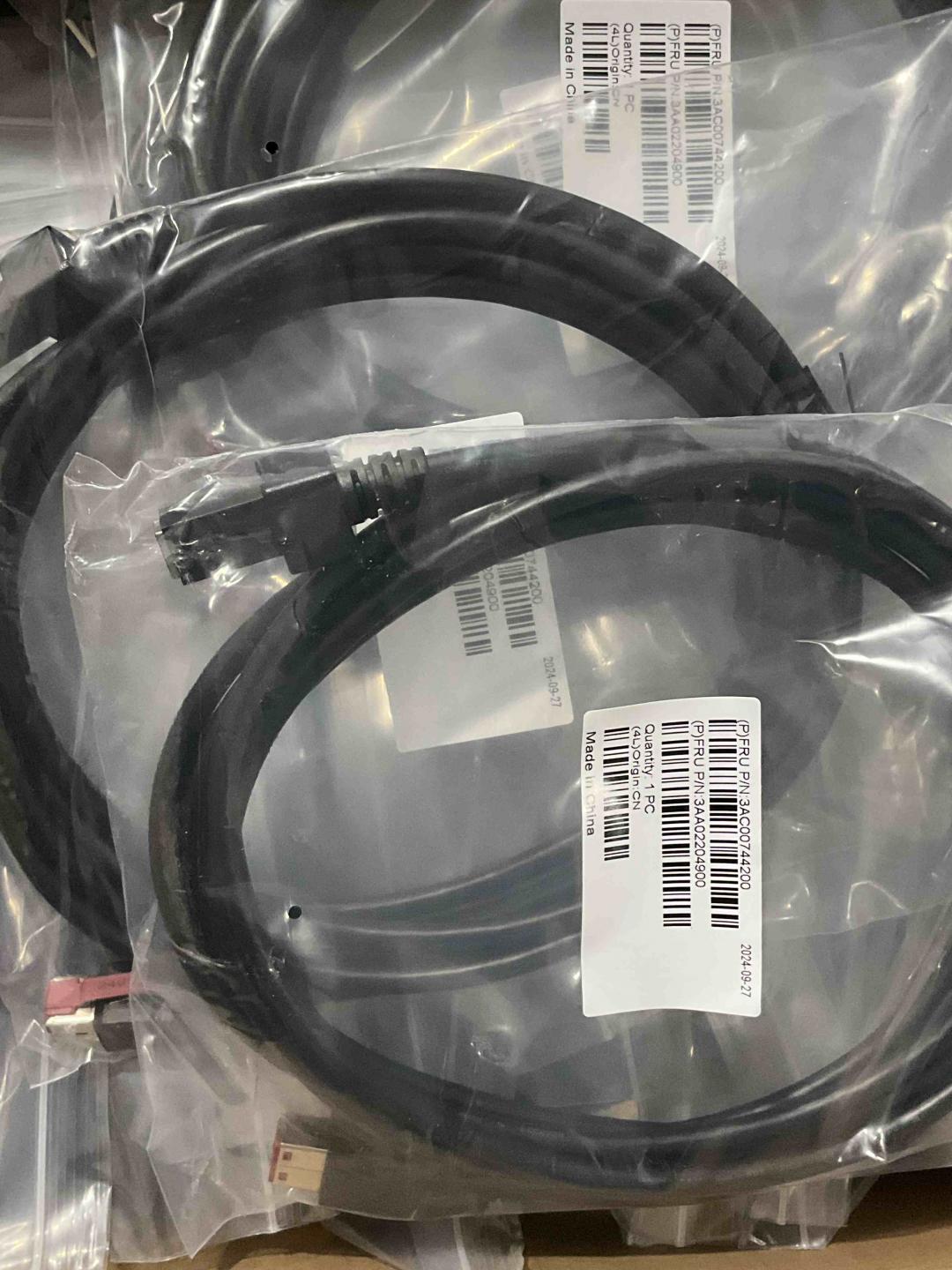
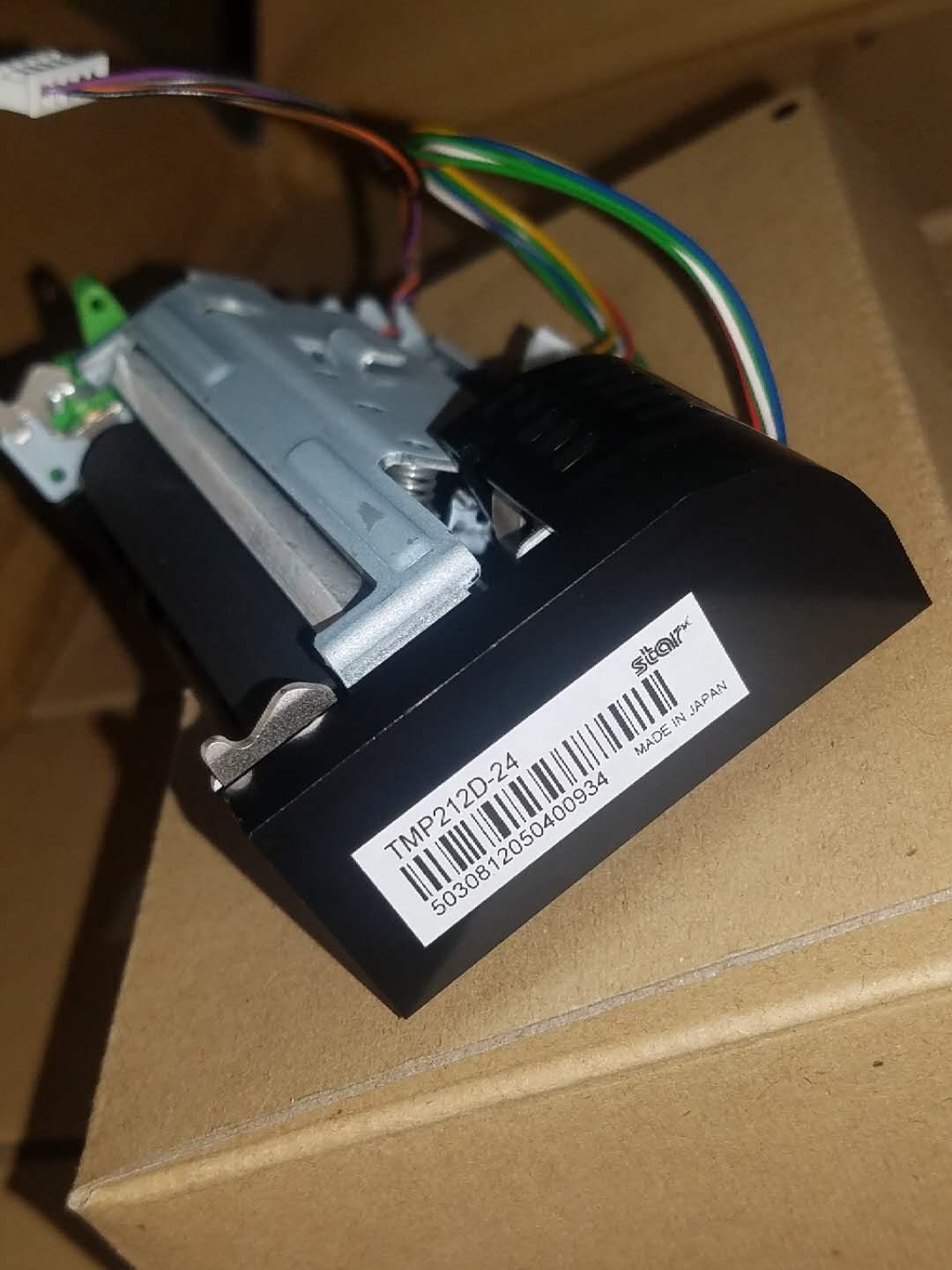
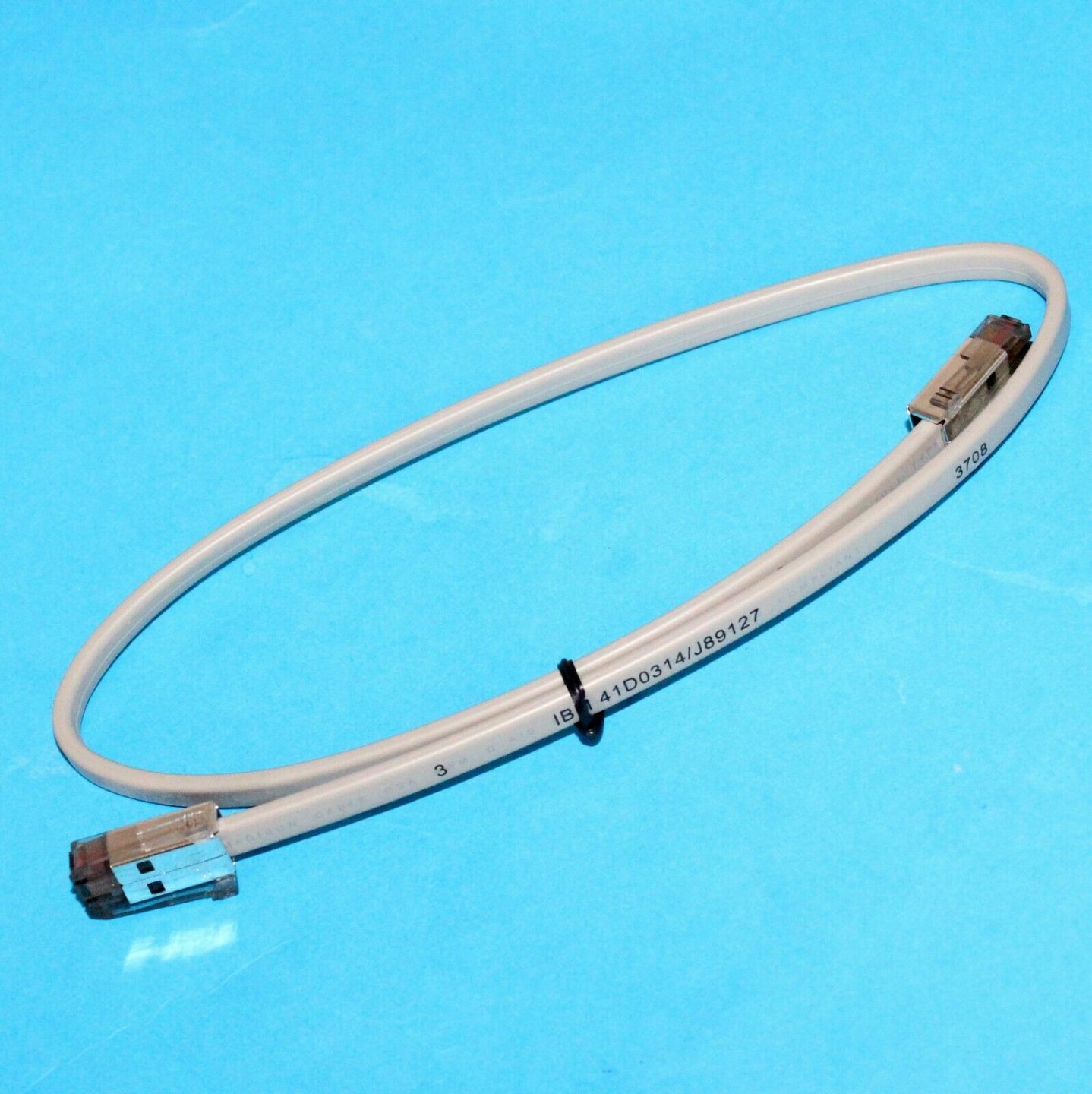
¿Necesita las piezas mencionadas en esta guía?
Piezas OEM originales y alternativas probadas en fábrica para sistemas IBM, Toshiba, NCR, Diebold, Wincor y Hyosung — con envío mundial.