
POS Preventive Maintenance Checklist: A Component-by-Component Schedule That Prevents Downtime
A preventive-maintenance playbook for POS hardware — a cleaning and inspection schedule by component (printhead, scanner, card reader, touchscreen, fans, cash drawer), how to adjust cadence by environment, and a per-visit routine.
Why a schedule beats reactive repair
Walk back through almost any emergency POS callout — a printhead that prints faint, a scanner that won’t read, a terminal that reboots at the lunch rush — and you’ll usually find a cleaning that didn’t happen. Preventive maintenance turns those lost-sales failures into a five-minute habit. The starting cadence:
| Cadence | Tasks | |
|---|---|---|
| Daily (busy/dusty) | Wipe scan window & touchscreen; run an MSR cleaning card | — |
| Weekly | Clean card reader; wipe printer exterior; check cash drawer | — |
| Monthly | Clean printhead; clear paper dust inside the printer | — |
| Quarterly | Blow out terminal vents/fans; full inspection & log | — |
The maintenance schedule by component
The full schedule, component by component. Each task is cheap, fast, and prevents a specific failure:
| Component | Task | Interval | |
|---|---|---|---|
| Card reader (MSR) | Run a cleaning card through the slot | Daily–weekly | — |
| Barcode scanner | Wipe the scan window (lint-free + IPA) | Daily–weekly | — |
| Touchscreen | Wipe with microfiber; check for ghost touch | Daily–weekly | — |
| Receipt printer | Clear paper dust; wipe exterior | Weekly–monthly | — |
| Printhead | Clean per the maker's method (IPA, lint-free) | Monthly | — |
| Cutter / platen | Inspect for jams, debris, wear | Monthly | — |
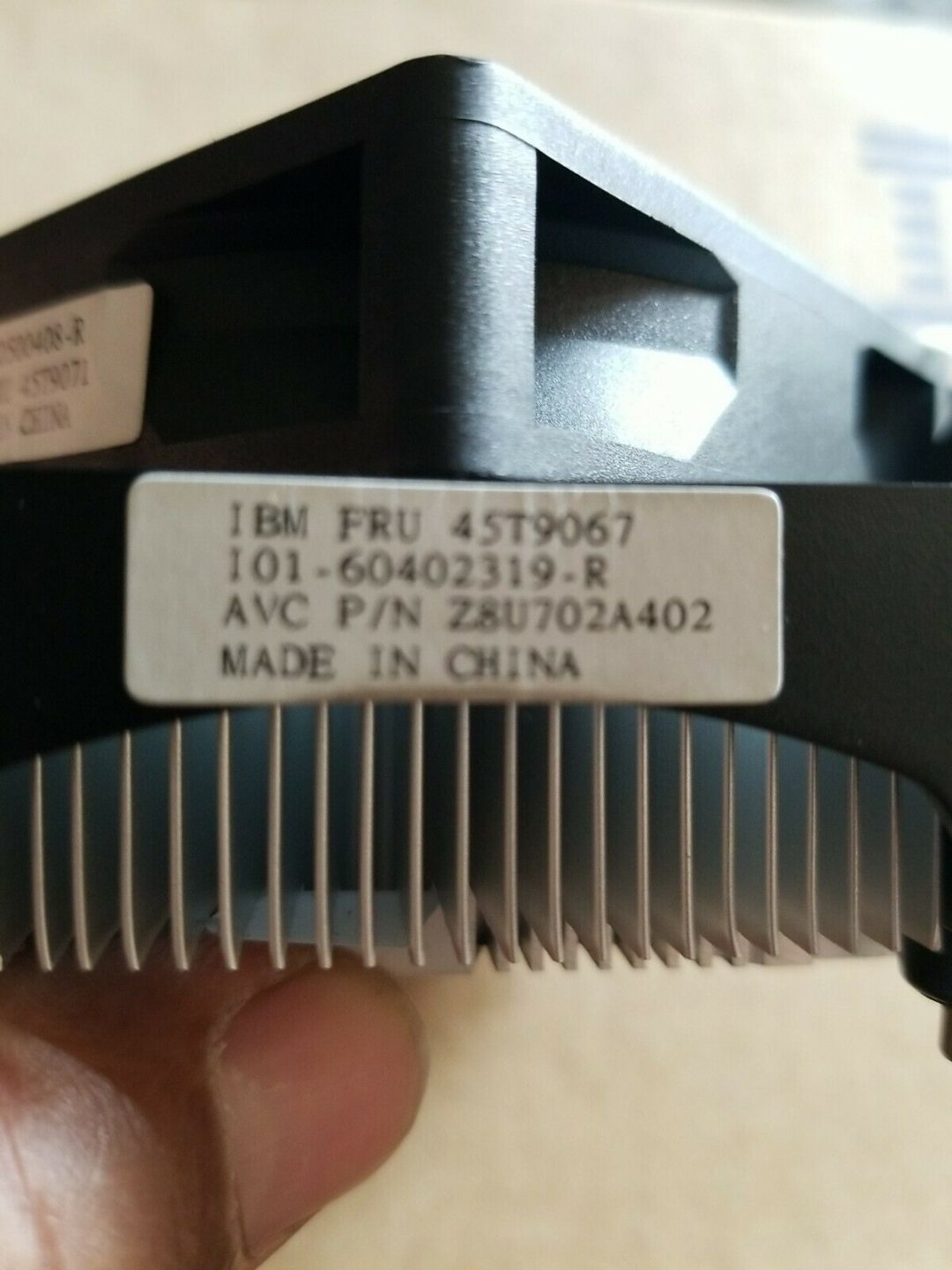
| Terminal vents & fans | Blow out dust with compressed air | Every 3–6 months | — |
| Cash drawer | Check slide, latch, jams; light lubrication | Quarterly | — |
| Cables & power | Inspect for fraying, loose connectors | Quarterly | — |
What each task actually involves
What each task actually involves — and the detailed guide if you want the full method:
| Component | How (in brief) | |
|---|---|---|
| Card reader | Cleaning card or IPA microfiber through the slot, both directions | — |
| Scanner | Soft lint-free cloth, dry or light IPA, on the window | — |
| Touchscreen | Microfiber + screen-safe cleaner; never harsh solvents | — |
| Printhead | Power off; IPA on a lint-free swab along the head; let dry | — |
| Fans/vents | Power off; short bursts of compressed air; pin the fan blade | — |
| Cash drawer | Remove tray; clear coins/debris; light lube on the slide | — |
Adjusting cadence by environment
The schedule isn’t one-size-fits-all — the environment sets the cadence. Use the short end of each interval where it’s harsh:
| Environment | Cadence | Why | |
|---|---|---|---|
| Kitchen / food service | Short end | Grease, steam and flour clog heads, fans and cutters fast | — |
| Busy high-volume lane | Short end | More swipes/prints/cuts = faster wear and grime | — |
| Dusty / industrial / outdoor | Short end | Dust chokes vents and scan windows quickly | — |
| Clean low-volume office/boutique | Long end | Slow build-up; intervals can stretch | — |
The per-visit routine
A repeatable routine for a periodic (monthly/quarterly) maintenance visit:
- 1
Power down where needed
Daily wipe-downs are fine live, but power off and unplug before any task that opens the unit or applies alcohol to a head — and discharge static first. - 2
Clean the contact surfaces
MSR slot, scan window and touchscreen first — the daily-grime surfaces that cause the most visible failures. - 3
Service the printer
Clear paper dust, inspect the cutter and platen, and clean the printhead on its monthly cadence. - 4
Clear the cooling path
Blow dust from vents and fans; confirm the fan spins freely. This is the step that prevents thermal reboots. - 5
Inspect and log
Check cables, the cash drawer slide/latch, and for physical damage. Record the date and tasks done so the log shows each site's real interval.
Common mistakes (and the detailed guides)
The mistakes that turn maintenance into a new fault — and the detailed guide for each component when you need the full method:
| Mistake | Do instead | |
|---|---|---|
| Paper towel on a head/window | Lint-free microfiber — paper sheds lint that re-clogs | — |
| Water or harsh solvent | 70–90% IPA; never water (residue/corrosion) | — |
| Cleaning a live unit internally | Power off, unplug, discharge static first | — |
| Reacting only after failure | Schedule it; a dated checklist per lane | — |
| Over-spinning a fan with air | Pin the blade while you blast it | — |
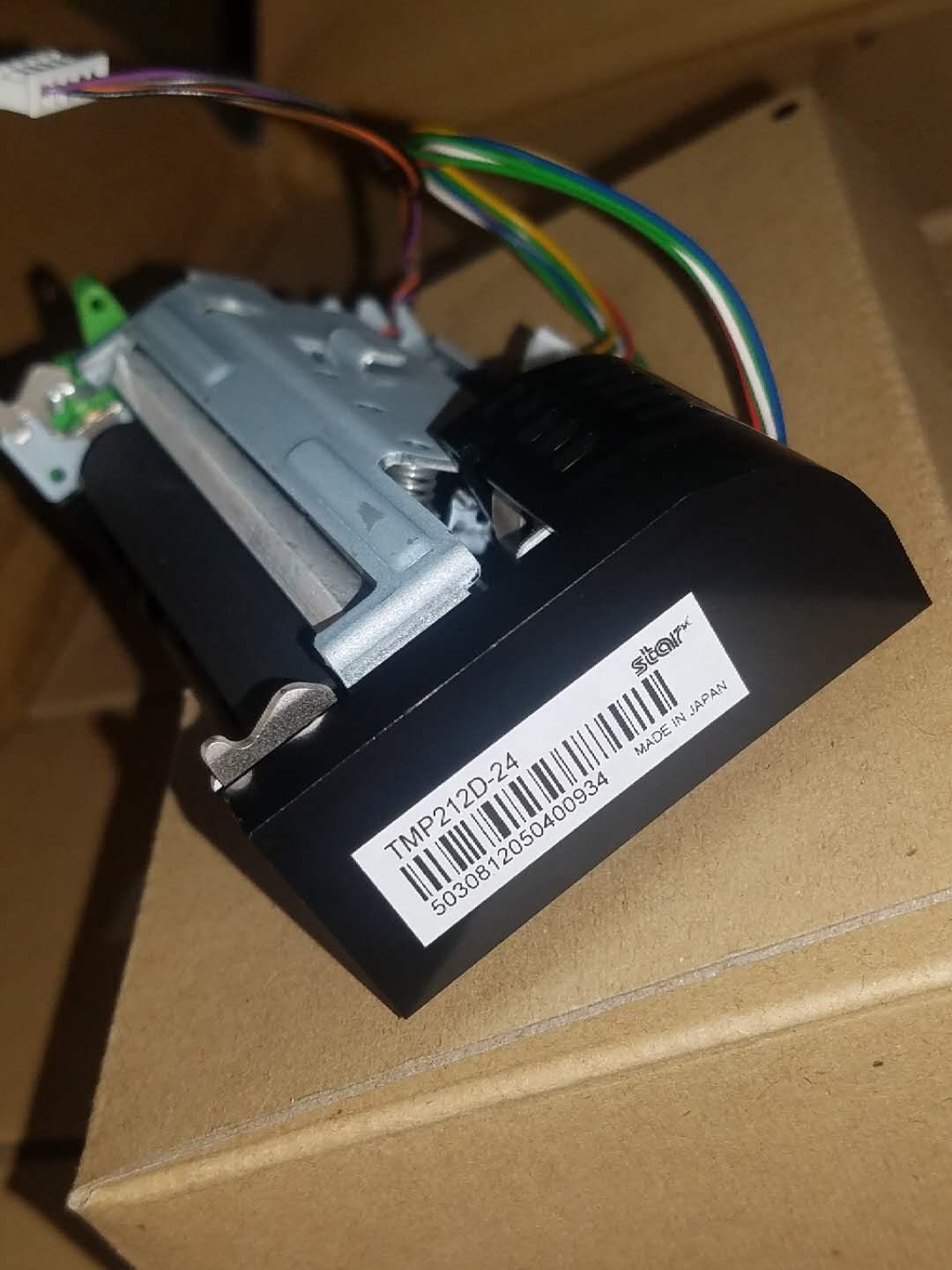
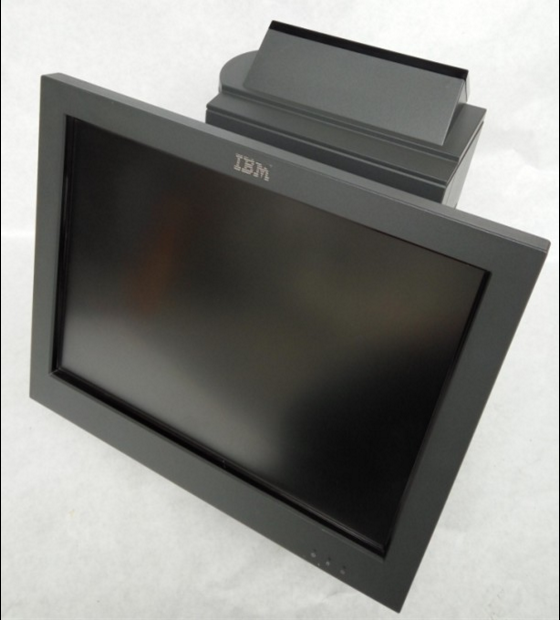
Per-component deep dives: printhead care & life, card-reader cleaning, scanner care, cooling & dust, cutter jams and touchscreen care. For replacement parts when a component is past cleaning, browse our POS repair parts and cooling parts categories.
Frequently Asked Questions
Why bother with preventive maintenance on POS hardware?
How often should I clean POS hardware?
What's the single highest-value maintenance task?
Can store staff do this, or do I need a technician?
What supplies do I need for a POS maintenance kit?
How do I prove maintenance is being done?
Sources & further reading
- POS Machine Maintenance Needs — Posytude
- Maintenance Checklists for Growing Franchises — Washburn POS
- Printer Maintenance Checklist — Teksetra
- Create a Preventative Maintenance Checklist — Lexicon Technologies
- Printer PM Audit Checklist (template) — SafetyCulture
Related guides
Why Thermal Receipts Fade — and How to Store Thermal Paper So Prints Last
Thermal prints aren't ink — they're a heat-triggered chemical mark that more heat, light, moisture or oil can erase. Here's why receipts fade, how long they really last, and how to store the ones that matter.
Read guide →POS Terminal Overheating: Causes, Cooling, Fan Replacement and a Maintenance Schedule
A POS terminal that reboots at the lunch rush or runs hot to the touch is almost always a cooling problem — dust, a dying fan, or blocked airflow. Here is how to cool it down today and a schedule that keeps it from happening again.
Read guide →Retail Scale Not Weighing Accurately? Levelling, Calibration, Load-Cell Testing and Legal-for-Trade Rules
An inaccurate retail scale is usually un-level, fouled or due for calibration — not a dead load cell. Here is the diagnostic sequence, how to test a load cell, and the legal-for-trade rules that decide what you may fix yourself.
Read guide →Related categories
Featured parts in this guide
%20Sparta%20Riser%20Card/120c399634d85265f7a7595a979407ee_c48b4b186f0a2eea2b86d0d5a86c219e_s-l1600.jpg)
Need the parts mentioned in this guide?
Genuine OEM and quality-tested aftermarket parts for IBM, Toshiba, NCR, Diebold, Wincor and Hyosung systems — with worldwide shipping.