
Lista de mantenimiento preventivo POS: un calendario componente por componente que evita el tiempo de inactividad
Un manual de mantenimiento preventivo para hardware POS — un calendario de limpieza e inspección por componente (cabezal, escáner, lector de tarjetas, pantalla táctil, ventiladores, cajón), cómo ajustar la cadencia por entorno, y una rutina por visita.
Por qué un calendario gana al reactivo
Walk back through almost any emergency POS callout — a printhead that prints faint, a scanner that won’t read, a terminal that reboots at the lunch rush — and you’ll usually find a cleaning that didn’t happen. Preventive maintenance turns those lost-sales failures into a five-minute habit. The starting cadence:
| Cadence | Tasks | |
|---|---|---|
| Daily (busy/dusty) | Wipe scan window & touchscreen; run an MSR cleaning card | — |
| Weekly | Clean card reader; wipe printer exterior; check cash drawer | — |
| Monthly | Clean printhead; clear paper dust inside the printer | — |
| Quarterly | Blow out terminal vents/fans; full inspection & log | — |
El calendario de mantenimiento por componente
The full schedule, component by component. Each task is cheap, fast, and prevents a specific failure:
| Component | Task | Interval | |
|---|---|---|---|
| Card reader (MSR) | Run a cleaning card through the slot | Daily–weekly | — |
| Barcode scanner | Wipe the scan window (lint-free + IPA) | Daily–weekly | — |
| Touchscreen | Wipe with microfiber; check for ghost touch | Daily–weekly | — |
| Receipt printer | Clear paper dust; wipe exterior | Weekly–monthly | — |
| Printhead | Clean per the maker's method (IPA, lint-free) | Monthly | — |
| Cutter / platen | Inspect for jams, debris, wear | Monthly | — |
| Terminal vents & fans | Blow out dust with compressed air | Every 3–6 months | — |
| Cash drawer | Check slide, latch, jams; light lubrication | Quarterly | — |
| Cables & power | Inspect for fraying, loose connectors | Quarterly | — |
Qué implica realmente cada tarea
What each task actually involves — and the detailed guide if you want the full method:
| Component | How (in brief) | |
|---|---|---|
| Card reader | Cleaning card or IPA microfiber through the slot, both directions | — |
| Scanner | Soft lint-free cloth, dry or light IPA, on the window | — |
| Touchscreen | Microfiber + screen-safe cleaner; never harsh solvents | — |
| Printhead | Power off; IPA on a lint-free swab along the head; let dry | — |
| Fans/vents | Power off; short bursts of compressed air; pin the fan blade | — |
| Cash drawer | Remove tray; clear coins/debris; light lube on the slide | — |
Ajustar la cadencia por entorno
The schedule isn’t one-size-fits-all — the environment sets the cadence. Use the short end of each interval where it’s harsh:
| Environment | Cadence | Why | |
|---|---|---|---|
| Kitchen / food service | Short end | Grease, steam and flour clog heads, fans and cutters fast | — |
| Busy high-volume lane | Short end | More swipes/prints/cuts = faster wear and grime | — |
| Dusty / industrial / outdoor | Short end | Dust chokes vents and scan windows quickly | — |
| Clean low-volume office/boutique | Long end | Slow build-up; intervals can stretch | — |
La rutina por visita
A repeatable routine for a periodic (monthly/quarterly) maintenance visit:
- 1
Power down where needed
Daily wipe-downs are fine live, but power off and unplug before any task that opens the unit or applies alcohol to a head — and discharge static first. - 2
Clean the contact surfaces
MSR slot, scan window and touchscreen first — the daily-grime surfaces that cause the most visible failures. - 3
Service the printer
Clear paper dust, inspect the cutter and platen, and clean the printhead on its monthly cadence. - 4
Clear the cooling path
Blow dust from vents and fans; confirm the fan spins freely. This is the step that prevents thermal reboots. - 5
Inspect and log
Check cables, the cash drawer slide/latch, and for physical damage. Record the date and tasks done so the log shows each site's real interval.
Errores comunes (y las guías detalladas)
The mistakes that turn maintenance into a new fault — and the detailed guide for each component when you need the full method:
| Mistake | Do instead | |
|---|---|---|
| Paper towel on a head/window | Lint-free microfiber — paper sheds lint that re-clogs | — |
| Water or harsh solvent | 70–90% IPA; never water (residue/corrosion) | — |
| Cleaning a live unit internally | Power off, unplug, discharge static first | — |
| Reacting only after failure | Schedule it; a dated checklist per lane | — |
| Over-spinning a fan with air | Pin the blade while you blast it | — |
Per-component deep dives: printhead care & life, card-reader cleaning, scanner care, cooling & dust, cutter jams and touchscreen care. For replacement parts when a component is past cleaning, browse our POS repair parts and cooling parts categories.
Preguntas frecuentes
¿Por qué molestarse con el mantenimiento preventivo del hardware POS?
¿Con qué frecuencia debo limpiar el hardware POS?
¿Cuál es la tarea de mantenimiento de mayor valor?
¿Puede hacerlo el personal de tienda, o necesito un técnico?
¿Qué suministros necesito para un kit de mantenimiento POS?
¿Cómo pruebo que se hace el mantenimiento?
Fuentes y lecturas complementarias
- POS Machine Maintenance Needs — Posytude
- Maintenance Checklists for Growing Franchises — Washburn POS
- Printer Maintenance Checklist — Teksetra
- Create a Preventative Maintenance Checklist — Lexicon Technologies
- Printer PM Audit Checklist (template) — SafetyCulture
Guías relacionadas
Por qué se desvanecen los recibos térmicos — y cómo almacenar papel térmico para que las impresiones duren
Una impresión térmica no es tinta — es una marca química activada por calor que más calor, luz, humedad o aceite puede borrar. Aquí está por qué se desvanecen los recibos, cuánto duran realmente, y cómo almacenar los que importan.
Leer guía →Terminal POS sobrecalentándose: causas, refrigeración, reemplazo del ventilador y un plan de mantenimiento
Un terminal POS que se reinicia en la hora punta del almuerzo o quema al tacto casi siempre tiene un problema de refrigeración — polvo, un ventilador muriendo o flujo de aire bloqueado. Aquí está cómo enfriarlo hoy y un plan para que no vuelva a pasar.
Leer guía →¿La balanza comercial no pesa con precisión? Nivelación, calibración, prueba de celdas y reglas de uso legal
Una balanza imprecisa suele estar desnivelada, sucia o pendiente de calibración — no una celda muerta. Aquí está la secuencia de diagnóstico, cómo probar una celda, y las reglas de uso legal que deciden qué puede reparar usted mismo.
Leer guía →Categorías relacionadas
Repuestos destacados
%20Sparta%20Riser%20Card/120c399634d85265f7a7595a979407ee_c48b4b186f0a2eea2b86d0d5a86c219e_s-l1600.jpg)
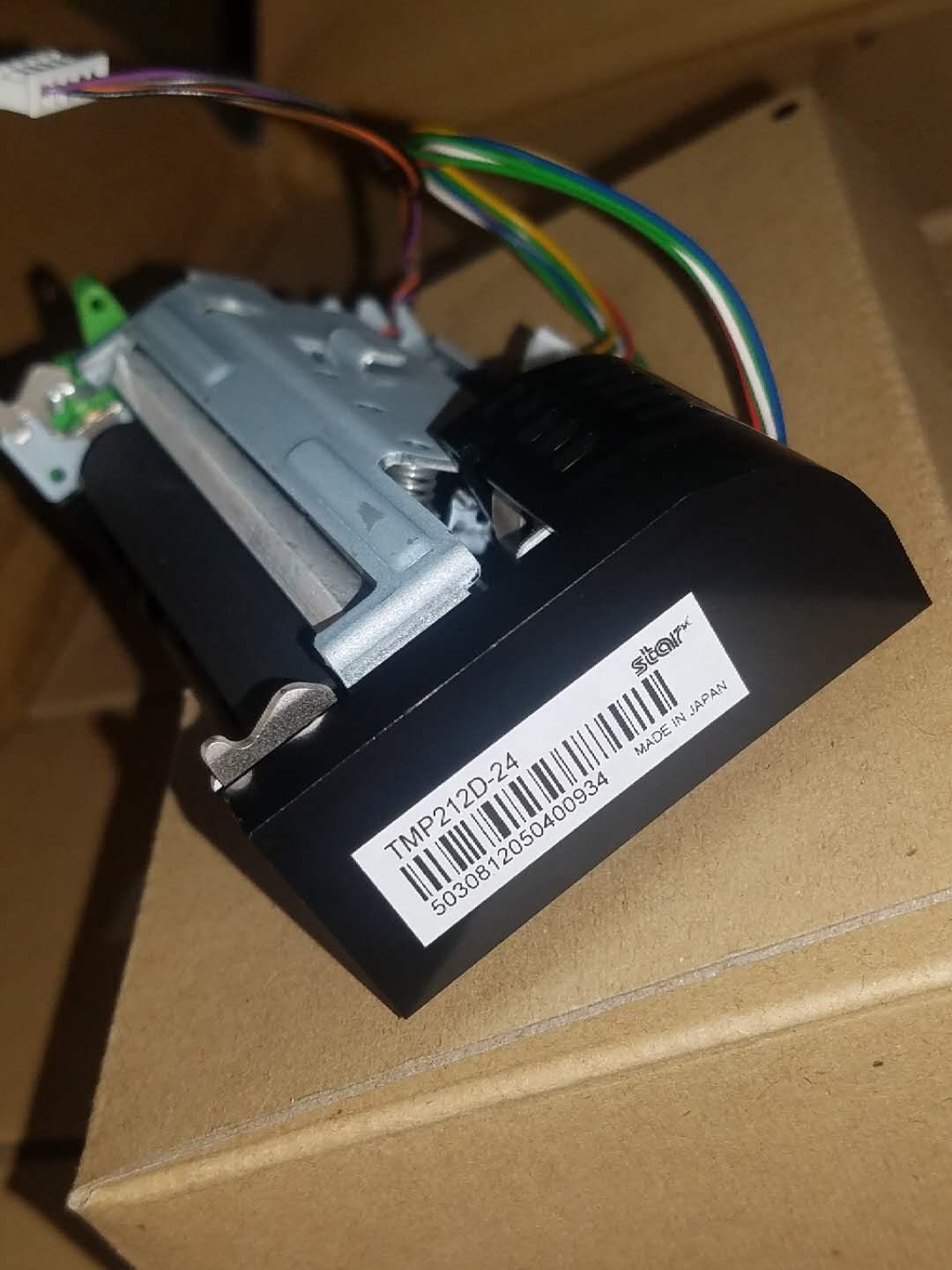
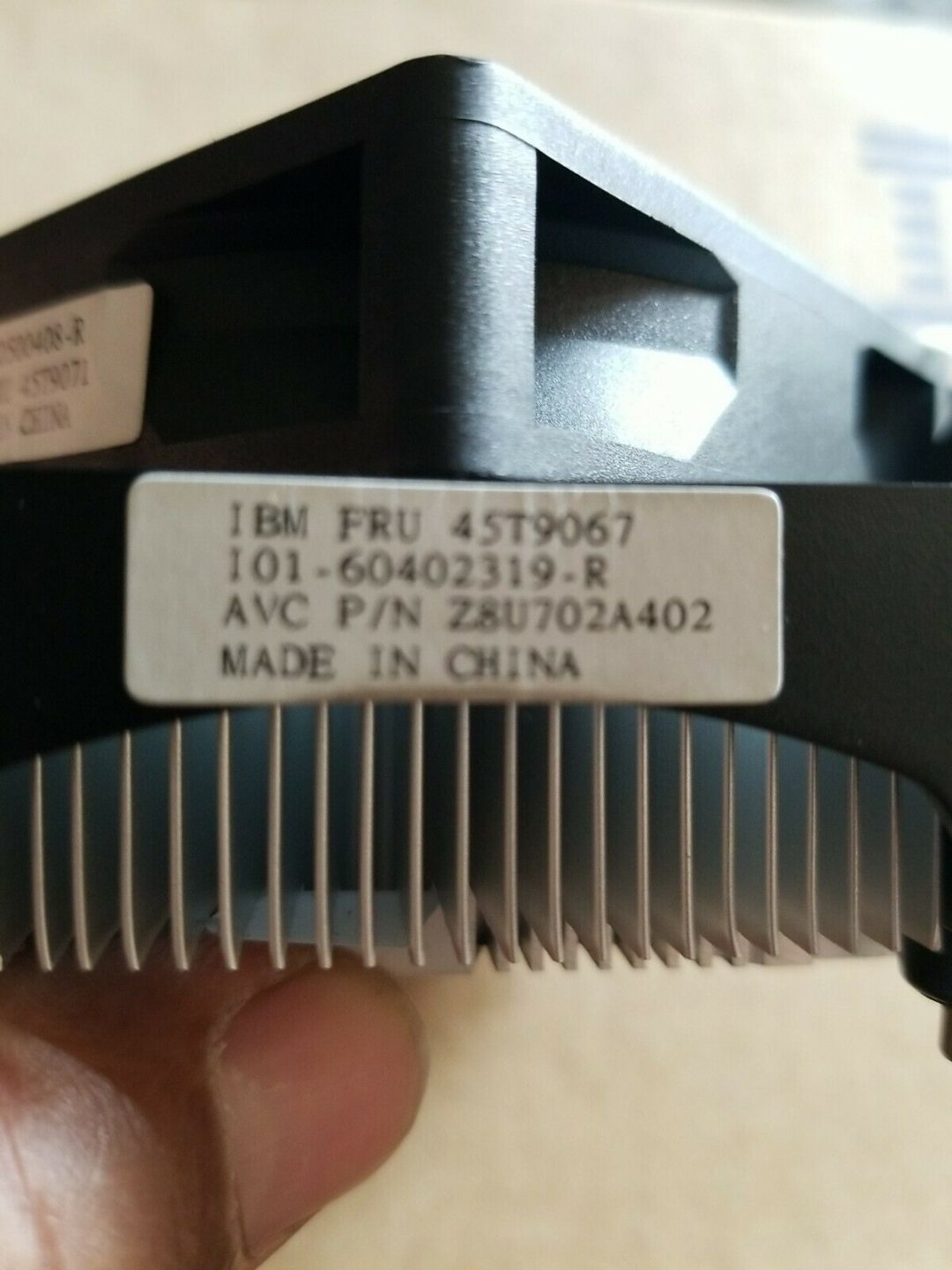
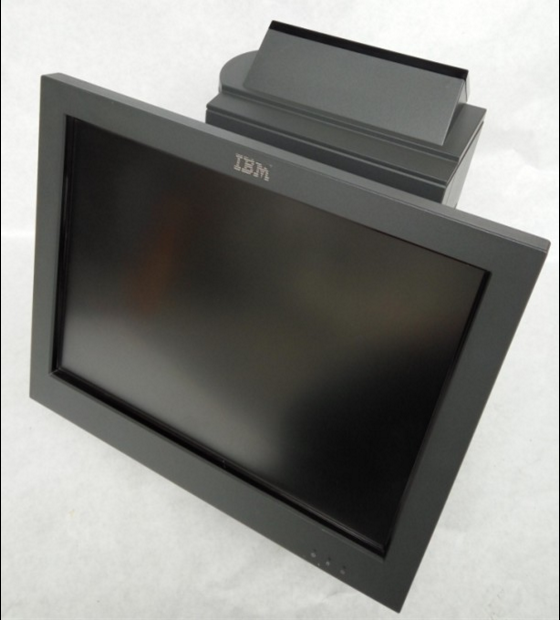
¿Necesita las piezas mencionadas en esta guía?
Piezas OEM originales y alternativas probadas en fábrica para sistemas IBM, Toshiba, NCR, Diebold, Wincor y Hyosung — con envío mundial.